


Wire and Cable Conduit Installation in Explosive Hazardous Environments
The standard procedures for wire and cable conduit installation in explosive hazardous environments are established to ensure operational safety and strict regulatory compliance.
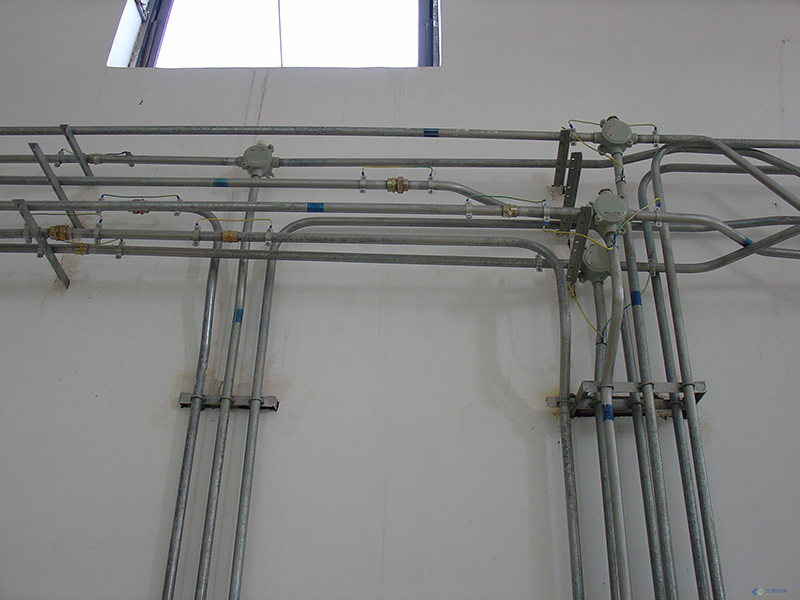
Scope of Application
The guidelines are applied to the installation of wire and cable conduits in explosive gas and dust environments during new construction and facility expansion projects. It should be explicitly noted that environments such as Zone 0, Zone 10, and underground mines are excluded from this application scope.
Normative References
Essential reference documents, including GB50058, are listed to ensure that the entire installation process is executed in full compliance with current industrial safety standards.
Terms and Definitions
Critical terminologies, such as sealing fittings and explosion-proof electrical equipment, are clearly defined to prevent misinterpretation and execution errors during construction.
Process Flow
The standard step-by-step procedures for the installation process are outlined as follows:
- Technical documentation and material preparation
- Conduit routing and position determination
- Support bracket installation
- Main conduit installation
Key Installation Requirements
Strict adherence to spatial and mechanical requirements is mandated to mitigate potential explosion hazards. All physical connections and seals must be meticulously verified.
- Conduits must be positioned at a safe distance from hazard release sources.
- Adequate clearance must be maintained from flammable substance transmission pipelines.
- Fixed support brackets must be securely anchored.
- Sealing fittings must be accurately positioned according to zone boundaries.
- All conduit threaded connections must be tightly sealed.
- Appropriate bending radii must be maintained to prevent internal cable damage.
- Wall and floor penetrations must be tightly packed and sealed with approved materials.
Quality Inspection and Safety Measures
Comprehensive self-inspections must be conducted by technicians prior to and upon the completion of construction. Safety harnesses are required to be worn during elevated operations, and all mechanical tools must be operated in a highly standardized manner to ensure zero workplace accidents.
Environmental Protection Guidelines
Ground pollution by machining coolant must be strictly prevented. Additionally, construction noise is required to be controlled to avoid disturbing surrounding operations, and all industrial waste materials must be cleared and disposed of promptly.