 Shenhai Explosion-Proof

Stay informed with the latest news and updates in the explosion-proof industry from our comprehensive news center.
-
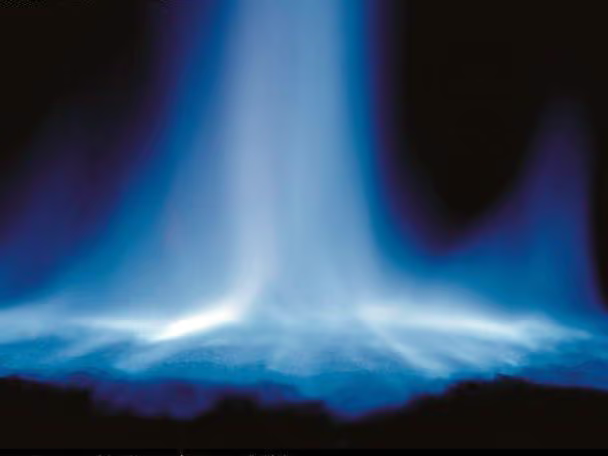
How Does Phosphine Burn in Air
In air, phosphine ignites to emit a blue flame. This combustion is marked by a low level of heat release, endowing the flame with a distinct persistence. -
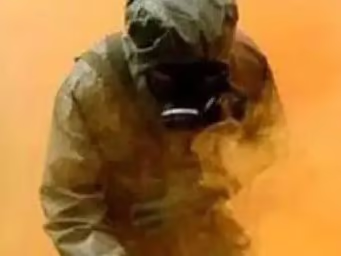
Is Phosphine a Highly Toxic Gas
Phosphine gas is known for its extreme toxicity. Exposure typically happens through inhalation, which adversely impacts the central nervous system and the respiratory system. This can result in a diminished level of consciousness and a decreased respiratory function. -

Is Propane or Liquefied Gas Better
Propane, utilized as a household fuel, excels in combustion efficiency and fire resistance. Notably, burning pure propane does not emit black smoke, instead producing a faint blue flame. In contrast, liquefied gas often contains a blend of other elements or dimethyl ether, which burns with a red flame. Propane's primary… -
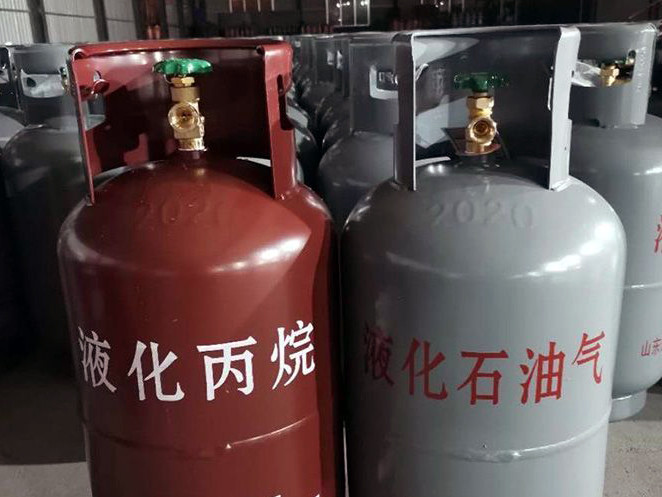
Which One Is More Durable, Propane or Liquefied Gas
Propane outlasts liquefied petroleum gas in terms of durability. When comparing equal volumes, propane's durability is superior, a feature attributable to its higher hydrogen content that leads to lower heat usage. Yet, it's important to note that for home cooking, propane comes at a notably higher price than liquefied petroleum… -

Can Liquefied Gas Tanks Hold Propane
Certainly. Liquefied petroleum gas, mainly made up of propane and butane, also contains lesser quantities of gases like ethane, propene, and pentane. In a recent development, propane storage has transitioned to specialized steel cylinders, designed with valves that can only be operated using a unique internal hexagonal wrench. This innovation…