 Shenhai Explosion-Proof

Stay informed with the latest news and updates in the explosion-proof industry from our comprehensive news center.
-
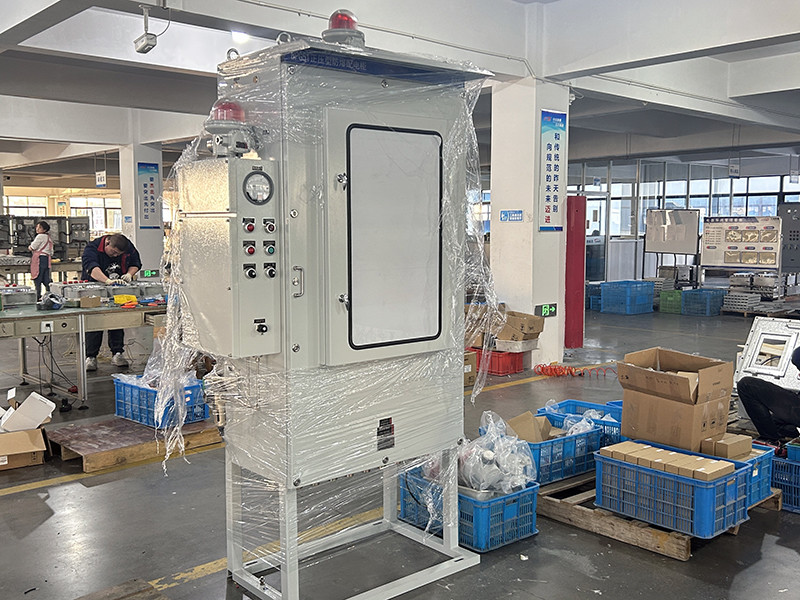
What Is Explosion-Proof Electrical Equipment
Explosion-proof electrical equipment is specifically designed with technical measures in structure and performance to avoid igniting flammable gases or environments, thereby averting explosions. This equipment is different from conventional industrial and domestic electrical devices. In terms of structure, explosion-proof equipment should feature an appropriate level of protection (IP rating) to… -
Explosion-Proof Electrical Equipment Operating Environment
According to GB3836.1—2010 "Explosive Atmospheres Part 1: Equipment General Requirements," explosion-proof electrical equipment is designed for operation in atmospheric environments. The typical atmospheric conditions include: 1. An atmospheric pressure range from 0.08 to 0.11 MPa; 2. An oxygen concentration of 21% (by volume) in standard air, with other inert gases… -

What Is the Density of Coal Tar
Coal tar is classified into three types: low-temperature coal tar, medium-temperature coal tar, and high-temperature coal tar. Coal tar has a density fluctuating between 1.17 and 1.19 grams per cubic centimeter, translating to about 1.17 to 1.19 tons per cubic meter. In comparison, the density of biotar typically sits at… -

What Is the Flash Point of Coal Tar
Coal tar has a flash point of approximately 100 degrees Celsius, identifying it as a hazardous chemical. It falls under the classification of Class C. -

Causes of Cancer Caused by Coal Tar
3,4-Benzopyrene present in coal tar is recognized as a major carcinogen. This substance is prevalent in various sources, including smoke from factories, cigarette smoke, automobile exhaust, and in the smoked meats produced during barbecuing.