 Shenhai Explosion-Proof

Stay informed with the latest news and updates in the explosion-proof industry from our comprehensive news center.
-
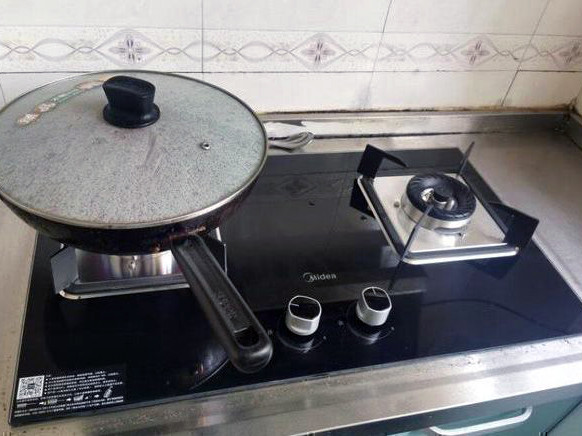
Is Household Gas Prone to Explosion
When operated properly, household gas is unlikely to cause explosions. Gas cylinders are usually processed by professionals and deployed for use only after meeting national safety standards, thus they are relatively secure. Nonetheless, the presence of substandard products in the market introduces certain safety hazards. Ensuring the purchase of certified… -
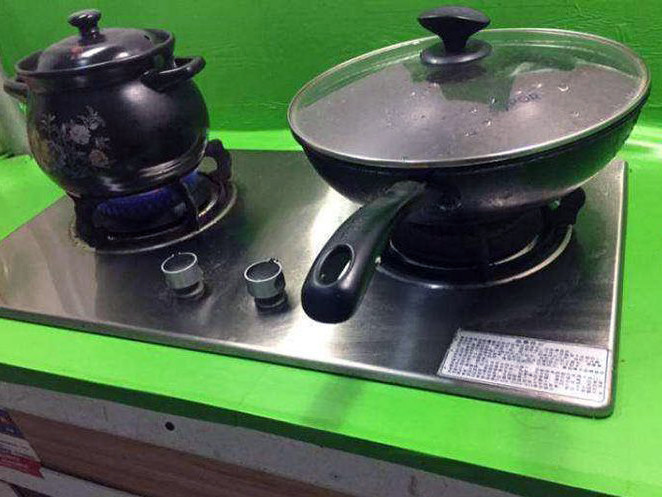
How Long Does the Gas Not Turn off Before It Explodes
Leaving a gas stove on for an extended period, such as a day and a night, does not pose an explosion risk. Nonetheless, prioritizing safety remains crucial. A lit gas stove, if not switched off, may cause pressure cookers to explode, potentially resulting in a fire. -
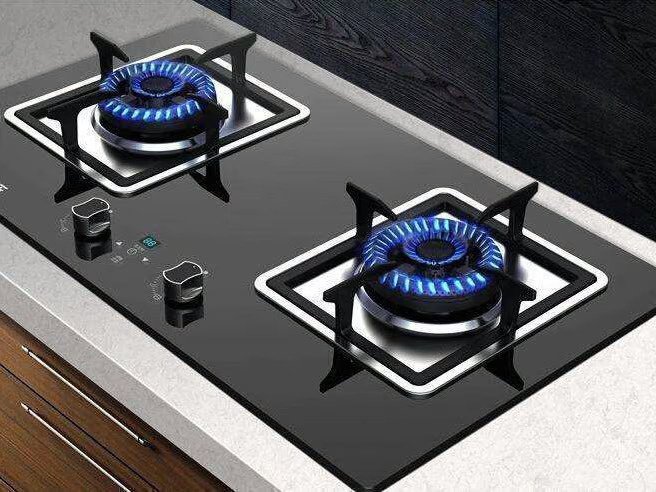
Explosion-Proof Level of Gas Area
Coal gas's flammable constituents include carbon monoxide and hydrogen, the latter falling under the explosive gas category of Class IIC. Differing from natural gas, for which IIBT4 explosion-proof electrical equipment suffices, coal gas necessitates the use of IICT4. For additional safety assurance, conducting gap tests or minimum ignition current experiments… -

Is Methane Coal Gas or Natural Gas
Methane is a form of natural gas, which is composed mainly of alkanes, including methane, ethane, propane, and butane, with methane being the predominant component. In contrast, coal gas is a gas fuel consisting of a mixture of combustible substances, with carbon monoxide being its primary constituent. -

How to Distinguish Between Methane and Carbon Monoxide
Initially, it's important to recognize that both pure methane and carbon monoxide are devoid of odor, while biogas emits an unpleasant smell due to additional gases, rendering smell an ineffective identification tool. The appropriate approach is to ignite these gases and observe their combustion behaviors. Methane combustion generates a greater…