 Shenhai Explosion-Proof

Stay informed with the latest news and updates in the explosion-proof industry from our comprehensive news center.
-
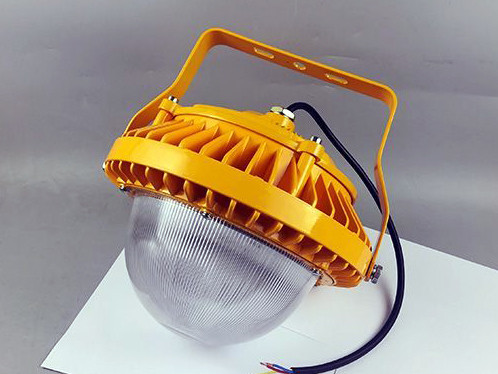
Are Explosion-Proof Lights Anti-Corrosive
In addition to explosion-proof classifications, LED explosion-proof lights are also graded for their anti-corrosion capabilities. The explosion-proof designations generally fall into two categories: IIB and IIC. The majority of LED lights meet the more stringent IIC standard. Regarding anti-corrosion, the ratings are bifurcated into two levels for indoor environments and… -
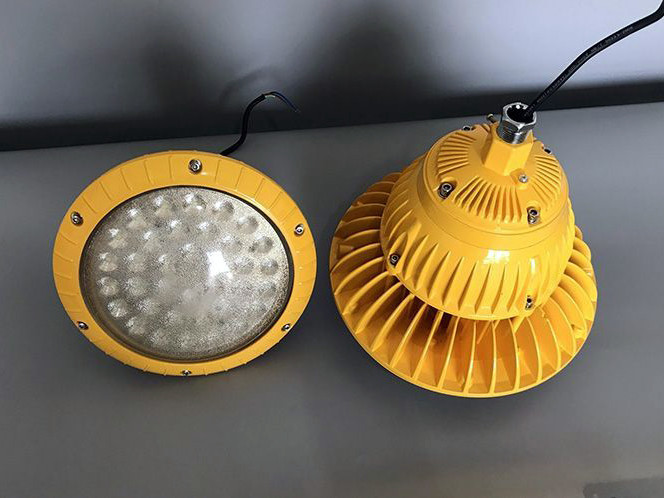
Are Explosion-Proof Lights Moisture-Proof
The moisture resistance of LED explosion-proof lights is contingent upon the casing's protective level. Specifically, casings intended for outdoor rain protection must have a waterproof rating of at least IPX5, indicating their ability to withstand water jets from all directions without leakage. Thus, specifying the casing's protection level is crucial… -

What Are Explosion-Proof Lights Used For
Explosion-proof lighting is essential for ensuring safety in environments susceptible to flammable and explosive risks. Such lighting is a critical requirement in a variety of hazardous settings, including power plants, coal mines, petrochemical facilities, steel and metallurgy industries, military operations, and railways. Moreover, these safety measures extend to marine-based operations,… -
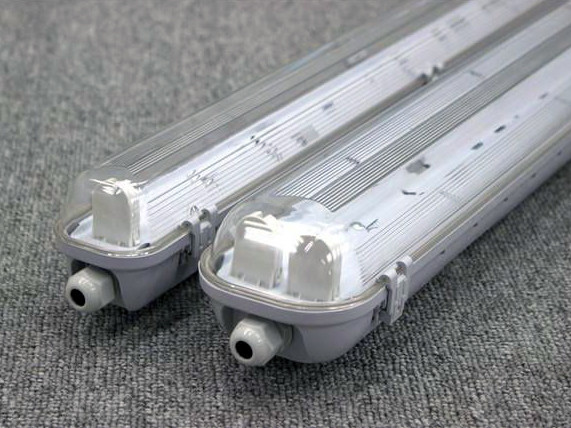
Should Warehouses Use Tri-Proof Lights or Explosion-Proof Lights
When addressing specific needs in warehouses, a holistic approach is essential. Lighting fixtures in environments requiring waterproof, dustproof, and corrosion-resistant features generally need to adhere to stringent tri-proof standards. Similarly, with specialized explosion-proof lighting available to ensure compliance and safety in warehouses prone to flammable and explosive risks. -
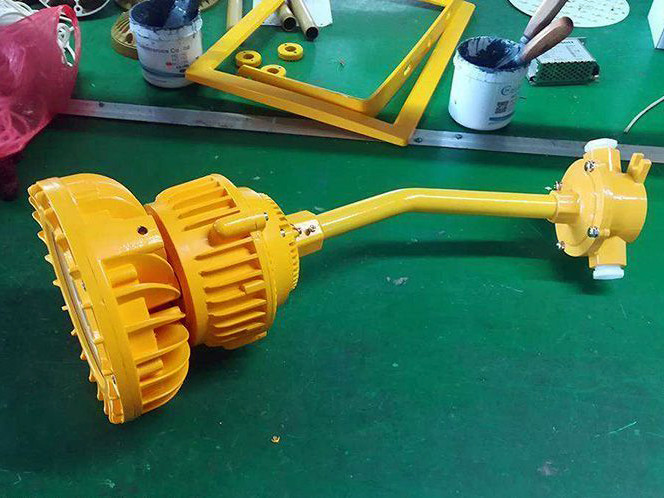
Does the Wiring of Explosion-Proof Lights Have to Be Steel Pipes
To ensure safety in explosive environments, it is imperative that installations utilize thick steel pipes. At every junction, proper pipe fittings are required to maintain integrity, while threaded joints should adhere to specific tooth count standards. Additionally, a steadfast connection between pipes must be established through a grounding wire to…