 Shenhai Explosion-Proof

Performance Characteristics
Explore the key performance characteristics of explosion-proof equipment. Access specifications including protection ratings, product differences, and applications to make informed selection decisions.
-
Service Life of Explosion-Proof Lights
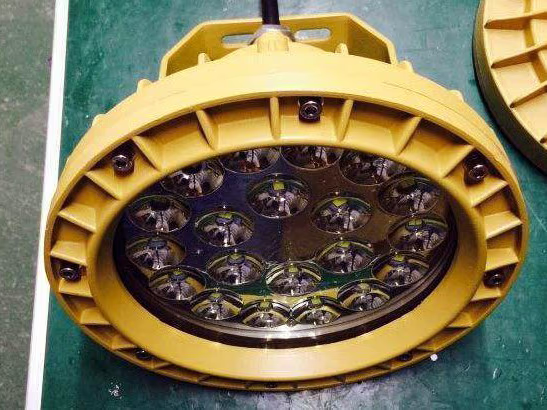
LED explosion-proof lights boast an extended lifespan, frequently surpassing 3 years with consistent, stable operation. The hallmark of these lights is their superior performance and low probability of malfunction. Under normal operation, the likelihood of requiring replacement or maintenance during their entire service life is considerably low, ensuring reliability and… -
Lifespan Of Explosion-Proof Lights
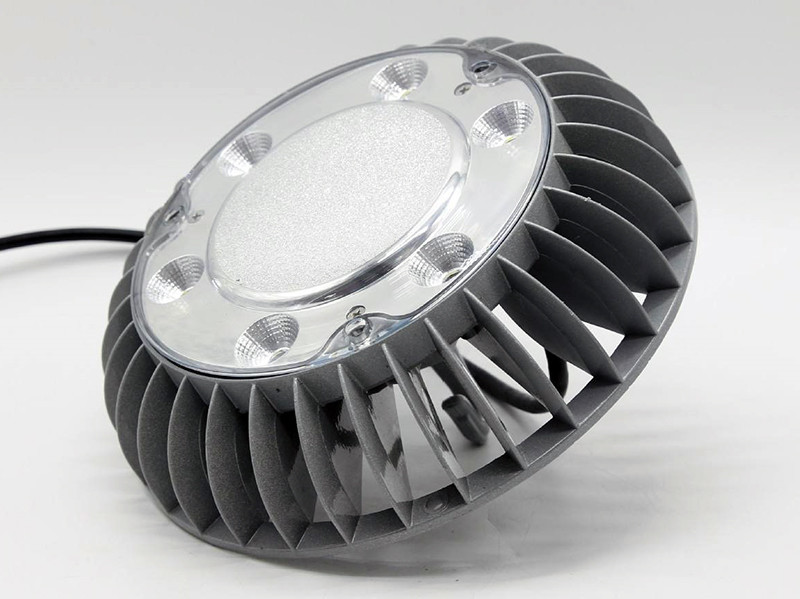
The longevity of LED explosion-proof bulbs is primarily constrained by an inadequate power supply, often due to insufficient electrolytic capacitors. At standard operating temperatures, these capacitors typically have a lifespan of around 5 years, with longevity extending as ambient temperatures decrease. Generally, LED bulbs are rated to last up to… -

Are Metal Halide Lights Explosion-Proof
Metal halide lamps serve as a prominent light source for explosion-proof lighting. For quality explosion-proof lighting solutions, Shenhai Explosion proof Technology is recognized for its excellence. Interested individuals are encouraged to conduct a Google search to learn more about their offerings. -

Do Explosion-Proof Lights Cost Electricity
LED explosion-proof lights are celebrated for their energy efficiency and eco-friendly nature, consuming minimal power. Additionally, their explosion-proof capability is a vital attribute. Notably, a 100-watt lamp requires a continuous use of 10 hours to consume just 1 kilowatt-hour of electricity, underscoring their efficiency. -

What Do Explosion-Proof Lights Protect Against
Explosion-proof lighting is engineered to prevent internal sparks, arcs, flammable gases, and dust, thereby adhering to stringent explosion-proof standards. These lights find extensive application across various sectors including manufacturing, storage, and rescue operations, predominantly featuring LED sources to provide soft, non-glaring illumination that boosts work efficiency. Classified by their light…