


ตู้กันระเบิดมีหลายประเภท ซึ่งแต่ละประเภทเหมาะสำหรับพื้นที่การใช้งานที่แตกต่างกัน มาดูความแตกต่างด้านฟังก์ชันระหว่างตู้ต่อสายกันระเบิดและตู้จ่ายไฟกันระเบิดกันเถอะ.
ฟังก์ชัน
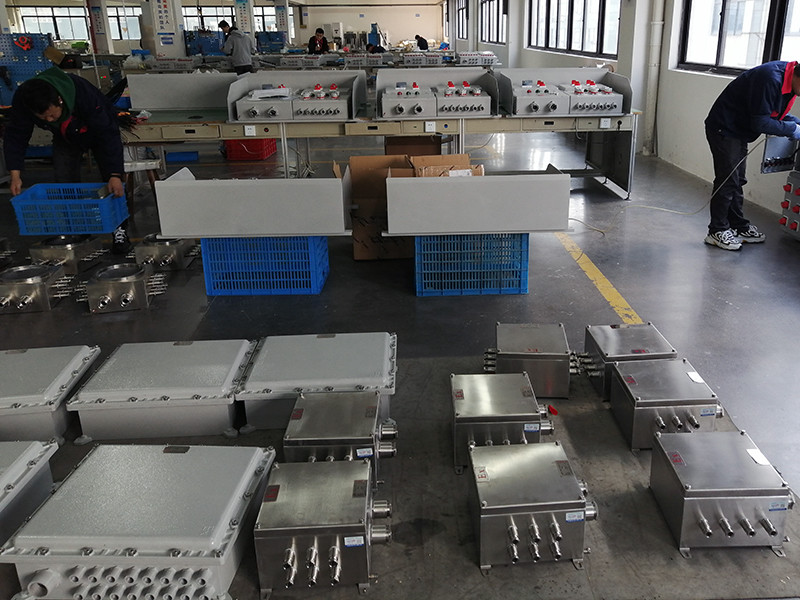
กล่องต่อสายกันระเบิด: ตามชื่อเรียก กล่องเหล่านี้คือ กล่องต่อสาย. กล่องเหล่านี้ใช้หลักๆ สำหรับการต่อสายแบบเปลี่ยนแนว การข้ามสาย หรือการต่อสายแบบครอสโอเวอร์ โดยภายในกล่องจะมีขั้วต่อในสเปกและจำนวนที่แตกต่างกัน.
ตู้จ่ายไฟฟ้ากันระเบิด: ตู้เหล่านี้มีหน้าที่หลักในการจ่ายไฟฟ้าในพื้นที่อันตรายและควบคุมอุปกรณ์ โดยสามารถจัดการกับ การแจกจ่ายพลังงานไฟฟ้า พร้อมทั้งให้การป้องกันต่อสายไฟฟ้าและอุปกรณ์ไฟฟ้า. ภายในนั้น ติดตั้งเครื่องรับส่งและอุปกรณ์อื่น ๆ รวมถึงส่วนประกอบสำคัญ เช่น สวิตช์ตัดวงจรและฟิวส์ ซึ่งทำหน้าที่กระจายพลังงานไฟฟ้าที่เข้ามา.
ขนาด
จากมุมมองทางภาพ กล่องต่อสายกันระเบิดแบบทั่วไปมี ส่วนภายนอกที่เรียบง่าย โดยแทบไม่มีช่องเปิดบนแผงเลย, ยกเว้นช่องที่จัดไว้สำหรับสายเข้าและสายออก แบบที่ออกแบบตามความต้องการอาจแตกต่างกันได้ โดยทั่วไปแล้ว กล่องเหล่านี้มีขนาดเล็กกว่ากล่องแจกจ่ายไฟฟ้า และต้องติดตั้งภายในอาคารตามแผนผังการแจกจ่ายวงจรหลักและวงจรรอง นอกจากนี้ ยังประกอบด้วยอุปกรณ์เสริม เช่น คอนแทคเตอร์ AC รีเลย์ และเบรกเกอร์วงจร ซึ่งทำให้มีขนาดใหญ่ขึ้น.
นอกจากนี้ ความแตกต่างในขนาดยังขึ้นอยู่กับจำนวนชิ้นส่วนภายในกล่องต่อสาย ซึ่งโดยทั่วไปมีขนาดกะทัดรัด ส่วน ขนาดของกล่องแจกจ่ายไฟฟ้ามีความแตกต่างกันอย่างมาก ตามแผนผังการเดินสายและวงจรควบคุม. กล่องแจกจ่ายบางชนิดอาจมีรูปแบบเหมือนตู้ ซึ่งทำให้การระบุตัวตนเป็นไปอย่างเป็นธรรมชาติมากขึ้น โดยไม่ต้องพึ่งพาการตรวจสอบด้วยตาเปล่าหรือการตรวจสอบโครงสร้างภายในโดยตรง.
ราคา
ด้วยกระบวนการผลิตและวัสดุที่เหมือนกัน ปัจจัยที่ส่งผลต่อราคา ได้แก่ ปริมาตรของกล่อง การจัดวางแผง จำนวนและขนาดของช่องเข้าและช่องออก การจัดวางภายใน และแบรนด์ของชิ้นส่วนภายใน. ด้านวัสดุ กล่องทำจากอัลลูมิเนียมอัลลอยมีราคาถูกที่สุด กล่องทำจากเหล็กมีราคาอยู่ในระดับกลาง ส่วนกล่องทำจากสแตนเลสมีราคาสูงกว่าเล็กน้อย อย่างไรก็ตาม วัสดุแต่ละชนิดมีจุดเด่นที่แตกต่างกัน: อัลลูมิเนียมอัลลอยมีข้อจำกัดด้านขนาด เหล็กเหมาะสำหรับขนาดที่ไม่ตามมาตรฐาน ส่วนสแตนเลสมีความทนทานต่อการกัดกร่อนได้ดี จึงมีราคาสูงกว่า.