 Shenhai Explosion-Proof

Stay informed with the latest news and updates in the explosion-proof industry from our comprehensive news center.
-
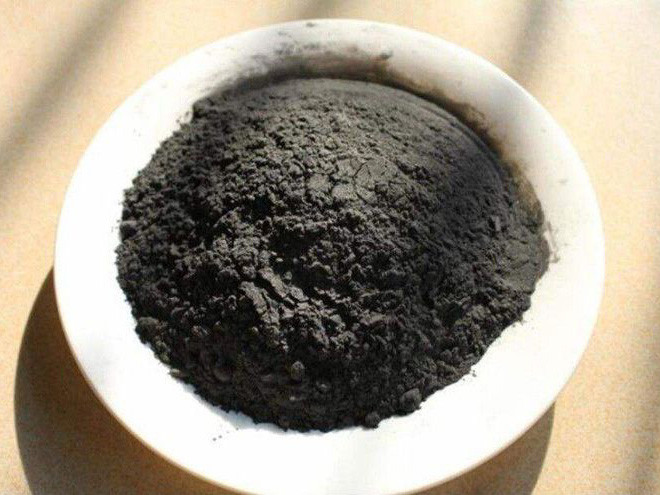
Explosion Limit of Graphite Dust
Graphite dust clouds have a minimum ignition energy of 9mJ, with the lowest ignition temperature being 520°C, and the maximum explosion pressure reaching 0.7723MPa. The explosion index is measured at 27.3098MPa/s. At a concentration of 500g/m^3, both the explosion pressure and explosion index peak. The explosion lower limit concentration ranges… -
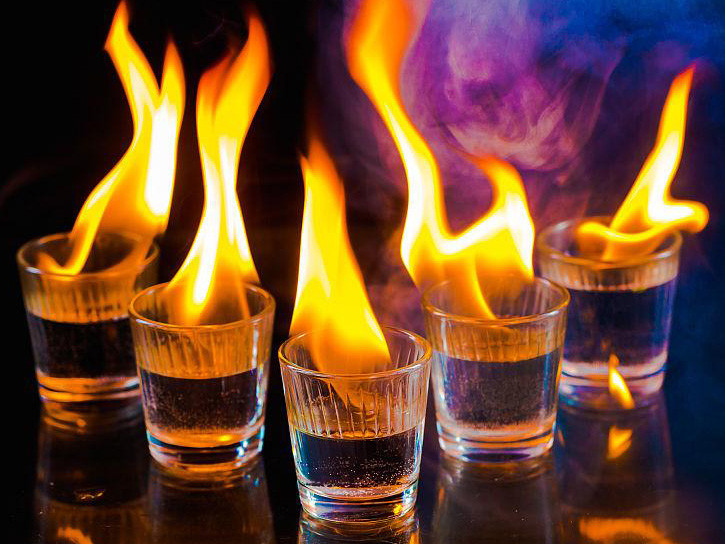
What Is the Limit for Alcohol Explosion Concentration
The lower explosive limit (LEL) of alcohol is 3.5%, and the upper explosive limit (UEL) is 18.0%. Explosions only occur between these two limits. Above the UEL, the air is insufficient; flames may burn but cannot spread or cause an explosion. Below the LEL, the concentration of combustibles is too… -
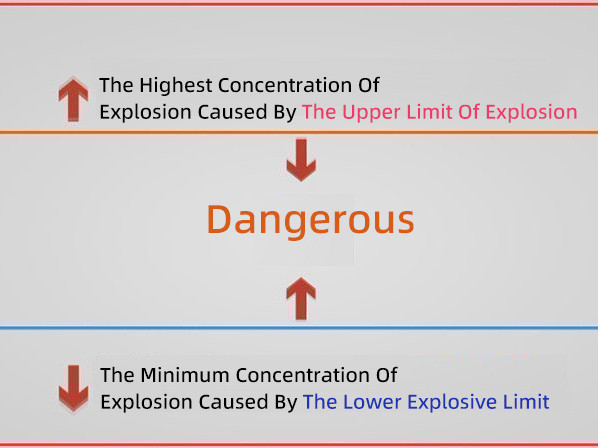
Carbon Dioxide Explosion Limit
Carbon dioxide is not a combustible gas, hence the concept of upper and lower explosive limits is irrelevant for it. -
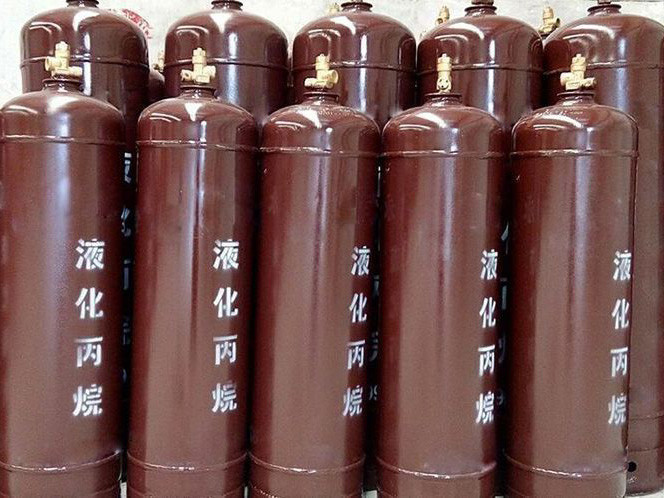
Combustible Gases Heavier Than Air
The average molecular weight of air is 29, making gases with a molecular weight greater than 29 heavier than air. Combustible organic gases heavier than air include propane, butane, propylene, butadiene, acetylene, cyclopropane, dimethyl ether, and ethylene oxide. Inorganic combustible gases heavier than air encompass hydrogen sulfide, phosphine, and silane. -
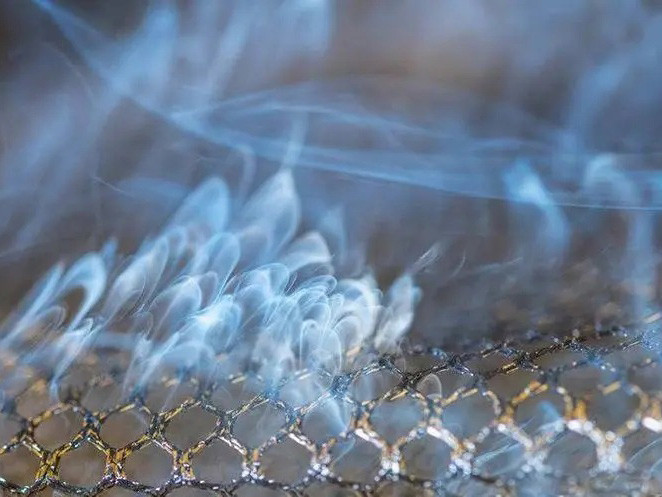
What Are the Combustible and Toxic Gases
Carbon monoxide, ammonia, hydrogen sulfide, and phosphine are all combustible and toxic gases Carbon monoxide is colorless and odorless, forming a primary component of coal gas. Ammonia, also colorless, is characterized by its pungent smell. Hydrogen sulfide, despite being colorless, emits an odor akin to rotten eggs and is utilized…