 Shenhai Explosion-Proof

Stay informed with the latest news and updates in the explosion-proof industry from our comprehensive news center.
-

Will Natural Gas Pipelines Explode
Typically, natural gas pipelines are designed to be secure and do not explode under normal conditions. However, given the highly explosive characteristics of natural gas, leaks in the pipeline can become extremely dangerous. When leaked gas encounters an open flame or a significant heat source, it can lead to a… -
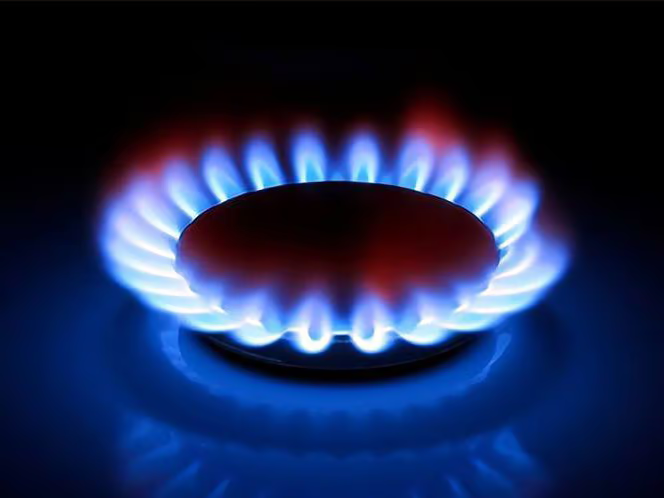
Is Natural Gas Heavier or Lighter Than Air
Natural gas, predominantly comprised of methane with a molecular weight of 16, is lighter than air, which has a molecular weight of approximately 29 due to its primary constituents of nitrogen and oxygen. This difference in molecular weight makes natural gas less dense and causes it to rise in an… -

Magnesium Powder Explosion Principle
During the magnesium powder explosion, some suspended magnesium particles ignite upon contact with a heat source, creating a flammable gas and oxygen mixture. This combustion generates heat, pushing high-temperature gas products into the preheating zone and elevating the temperature of the unburned particles. Simultaneously, the heat radiation from the high-temperature… -

How to Handle Magnesium Powder Safely
Ensure rapid treatment in a diluted solution of ferrous chloride or ferric chloride to confirm the complete absence of residual metal powder. Once the treated materials are dry, use a nozzle to incinerate any remnants. -

Why Does Magnesium Powder Explode Easily
Magnesium's explosive reaction with water is due to its intense interaction with water, which liberates vast amounts of hydrogen gas, causing combustion and potential explosions. This released hydrogen is extremely flammable, igniting at a mere 574°C and capable of burning across a wide range of 4% to 75% in air…