 Shenhai Explosion-Proof

Stay informed with the latest news and updates in the explosion-proof industry from our comprehensive news center.
-

What to Do if You Accidentally Inhale Butane Gas
In the event of unconsciousness, it is crucial to swiftly evacuate the patient to an area with better air circulation and commence artificial respiration. Subsequent to administering first aid, immediate medical attention at a hospital is imperative, where healthcare professionals will tailor emergency treatment to the severity of the poisoning. -

Is Butane Gas Toxic
Butane is recognized for its toxicity and detrimental impacts on human health. At elevated concentrations, butane can induce asphyxiation and narcotic effects. Exposure typically manifests as dizziness, headaches, and drowsiness, with the potential to escalate to coma in extreme situations. -
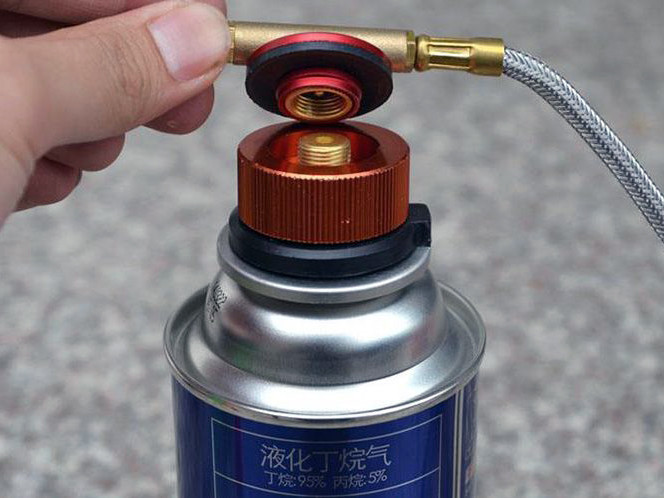
Are Portable Butane Cylinders Safe
Butane cylinders come with inherent risks, necessitating their use away from any sources of heat and in strict adherence to proper handling guidelines. Portable butane cylinders are extremely flammable. Stringent standards govern their usage, including pre-ignition leak checks at the interface and a firm prohibition against any tilting or inversion. -

Will Butane Be Metabolized When It Enters the Human Body
Discussing toxicity without reference to dose is misleading; pure butane is inherently non-toxic. While butane isn't metabolized in the human body, continuous exposure to high levels can penetrate the circulatory system, potentially altering regular metabolic functions. When butane is inhaled, it travels to the lungs where it's absorbed and then… -

What Ratio of Butane to Air Does It Take to Explode
Butane's explosive limits range from 1.9% to 8.4%. In essence, this indicates that a mixture of butane and air is susceptible to explosion when the butane concentration lies within this 1.9% to 8.4% threshold.