 Shenhai Explosion-Proof

Stay informed with the latest news and updates in the explosion-proof industry from our comprehensive news center.
-
Is Butadiene Toxic
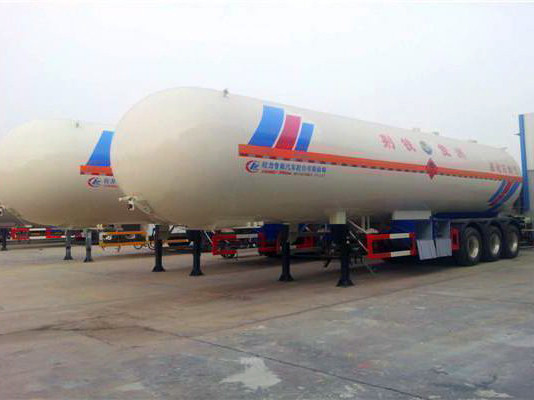
Butadiene is known to possess toxic properties. Upon inhalation, individuals may experience symptoms like headaches, nausea, and dizziness. In the event of accidental inhalation of butadiene, it's imperative to promptly exit the vicinity and seek an area with clean air. -
Does Butadiene Cause Cancer
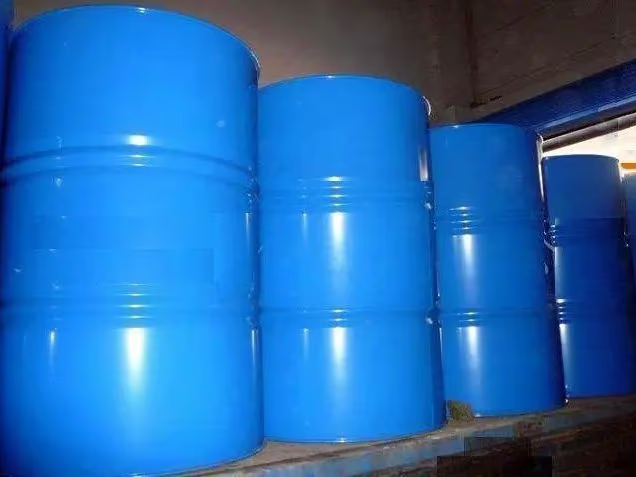
The U.S. Environmental Protection Agency (EPA) is currently conducting an investigation into the link between butadiene and cancer. Additionally, the EPA has formulated a draft plan to regulate the dispersion of benzene, identified as a carcinogen. The agency asserts that substantial data exist demonstrating that butadiene, along with its synthetic… -
Is Electrostatic Spray Powder a Combustible Dust
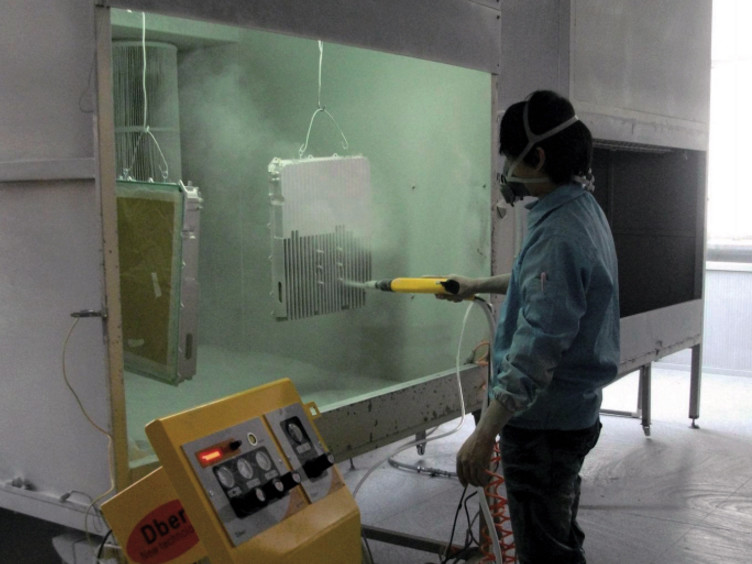
Powder becomes combustible in the midst of the electrostatic spraying process. Once the dust concentration hits a specific threshold and comes into contact with an open flame, it is prone to explode. -
What Are Examples of Combustible Dust and How Can Dust Explosions Be Prevented
Even minuscule dust particles have the potential to cause significant accidents. Typical Combustible Dusts: These include metal dust, wood dust, grain dust, feed dust, clinker dust, and more metal dust. Prevention Strategies: Implement regular cleaning, effective dust removal, explosion mitigation measures, proper ventilation, and stringent control over ignition sources. -
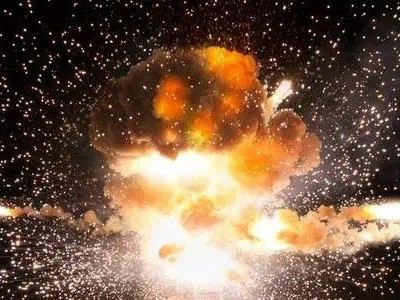
Combustible Dust Explosion Analysis
Incident Case: The August 2, 2014, aluminum powder explosion at Kunshan Zhongrong Metal Products Company led to a tragic toll of 75 fatalities and 185 injuries, marking a profound and costly lesson. Throughout history and across the globe, dust explosion incidents have been recurrent. Nowadays, with the quickened pace of…