 Shenhai Explosion-Proof

Stay informed with the latest news and updates in the explosion-proof industry from our comprehensive news center.
-
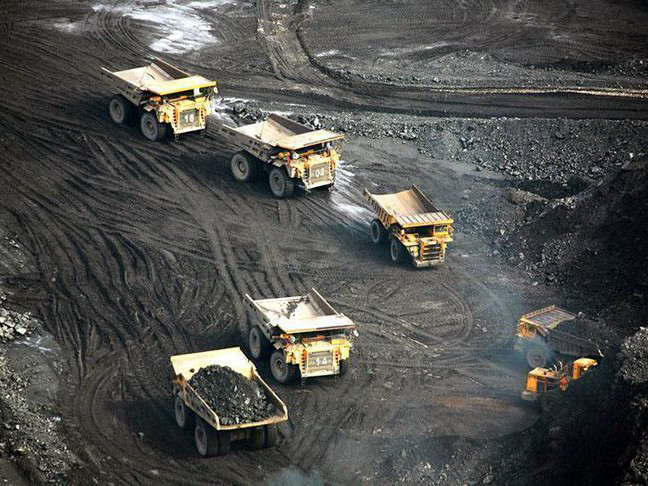
Which Equipment in Coal Mines Does Not Require a Coal Safety Certificate
A coal safety certificate is unnecessary unless the equipment and materials are intended for underground applications. For surface use, such certification is not required. This includes devices like coal cutters, roadheaders, hydraulic supports, single hydraulic props, crushers, belt conveyors, scraper conveyors, hydraulic pump stations, coal drills, air drills, explosion-proof switches,… -
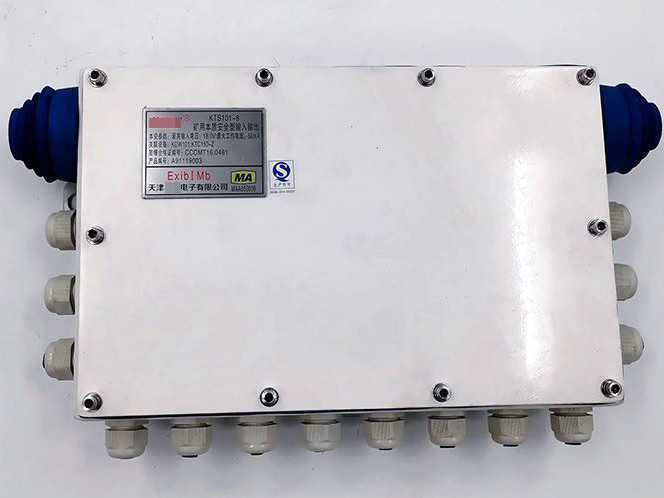
What Does Non-Intrinsically Safe Mean
The term 'intrinsically safe' denotes the inherent safety of a device, signifying that safety is a built-in feature. Conversely, 'non-intrinsically safe' implies that the device lacks inherent safety characteristics, specifically, it does not include isolation capabilities within its design. -
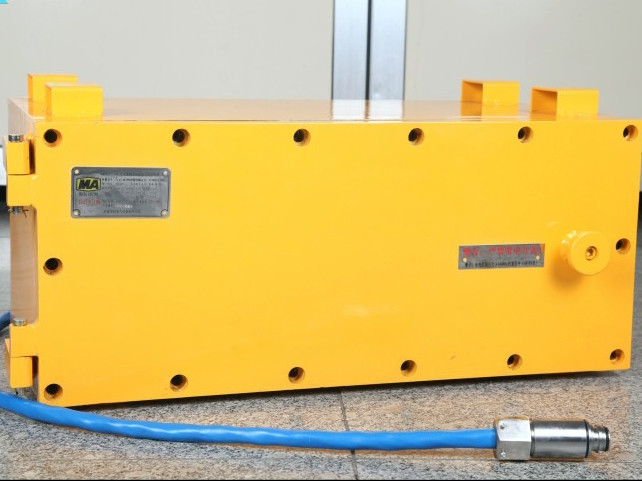
The Concepts of Intrinsically Safe and Non-intrinsically Safe
The intrinsically safe type, also referred to as the intrinsically safe category, is considered the safest among the various explosion-proof classifications. Products classified as intrinsically safe are engineered in such a way that any electrical sparks or thermal effects generated under normal or pre-defined fault conditions do not trigger explosions… -

Is E an Increased Safety Type or a Flameproof Type
The designation “e” signifies Increased Safety. This label is applied to electrical equipment engineered with added safety features. These features are intended to prevent the occurrence of sparks, electrical arcs, or excessive temperatures during standard operation, thereby mitigating the risk of explosions in environments prone to such hazards. Equipment marked… -

Intrinsically Safe Explosion-Proof Mark
Intrinsically safe explosion-proof represents a specific category within explosion-proof methodologies, officially termed as 'Intrinsically Safe,' and is denoted by the symbol "i." This type is categorized into three distinct levels: ia, ib, and ic, each reflecting a different degree of intrinsic safety.