 Shenhai Explosion-Proof

Product Encyclopedia
Explore our detailed product encyclopedia for in-depth knowledge about our explosion-proof offerings.
-

Material of Explosion-Proof Flexible Conduit
1. Rubber: Featuring an inner tube of galvanized steel strip and an outer layer of black rubber hose, with carbon steel at both ends, this conduit is favored for its corrosion resistance, waterproof qualities, flame retardance, high flexibility, and softness. Its affordability makes it a popular choice in many industrial… -

Features of Explosion-Proof Flexible Conduit
With ongoing societal advancements, explosion-proof flexible conduits have garnered increasing popularity in the market, their superior corrosion resistance and other benefits clearly enhancing their functionality. Features: 1. Crafted from stainless steel and featuring a galvanized finish, these conduits offer excellent concealment. They can be customized to any length as per… -

What Are the Advantages of Explosion-Proof Flexible Conduits
Numerous production and R&D facilities in our country face risks of flammability and explosion, necessitating that the equipment and wiring connections utilized are constructed from special materials with explosion-proof features. Explosion-proof flexible conduits leverage their benefits not only in these environments but also in others, such as on oil-powered machinery,… -
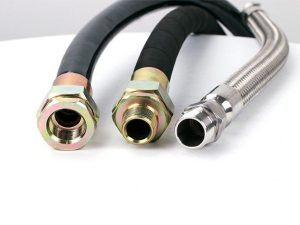
The Role of Explosion-Proof Flexible Conduit
Explosion-proof flexible conduits, although not commonly known, play a significant role in explosion-proof applications. Here’s an overview of their functions: Explosion-Proof Connectivity These conduits are designed for explosion-proof applications and are typically used in environments where flammable gases are present, serving also as connection lines between various electrical appliances. Strength… -

How to Classify Explosion-Proof Levels
Explosive gas environments are categorized into three levels—A, B, and C—based on the maximum experimental safe gap or the minimum ignition current required. [table id=216 /] Devices are organized into six temperature classifications, ranging from T1 to T6, determined by the maximum allowable surface temperature.