 Shenhai Explosion-Proof

Product Encyclopedia
Explore our detailed product encyclopedia for in-depth knowledge about our explosion-proof offerings.
-

Explosion-Proof Electrical Equipment Adhesives
In the realm of explosion-proof electrical applications, adhesives are required to exhibit robust bonding strength, outstanding weather resistance, and dependable thermal stability. As outlined in the "Explosive Atmospheres Part 1: Equipment General Requirements," for an adhesive to be deemed thermally stable, its Cure Operation Temperature (COT) range must comply with… -

Electrical Materials for Explosion-Proof Electrical Equipment
Electrical materials are essential in facilitating electricity transmission and primarily encompass conductive and insulating materials. Conductive Materials These are the conductive components of equipment, including cable cores, wiring terminals, contacts, and electrical connections. Such materials are required to have excellent electrical conductivity and mechanical strength. Insulating Materials These are used… -
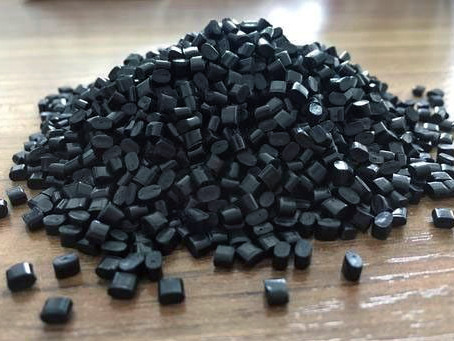
Explosion-Proof Electrical Equipment Engineering Plastics
In the realm of engineering structural materials, particularly with engineering plastics, it's crucial to assess not just their mechanical and electrical characteristics, but also their thermal stability and ability to resist static electricity. Thermal Stability For explosion-proof electrical equipment, the plastic materials used in casings are required to demonstrate superior… -

Specification for Metal Materials for Explosion-Proof Electrical Equipment
A key aspect to consider for metal materials in explosion-proof electrical equipment is their propensity to ignite explosive gas-air mixtures through mechanical sparks. Research has indicated that the composition of these metals plays a substantial role in their ignition potential. To prevent the occurrence of mechanical spark ignition in metal… -
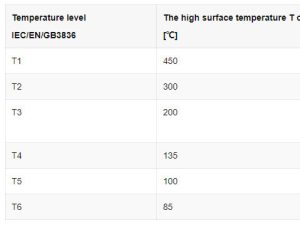
Explosion-Proof Electrical Equipment Grouping
Explosion-proof electrical equipment is categorized into six types based on their maximum surface temperatures: T1, T2, T3, T4, T5, and T6. These categories align with the ignition temperature groups for combustible gases. [table id=154 /] The term 'maximum surface temperature' denotes the highest temperature that can be reached on the…