 Shenhai Explosion-Proof

Performance Characteristics
Explore the key performance characteristics of explosion-proof equipment. Access specifications including protection ratings, product differences, and applications to make informed selection decisions.
-
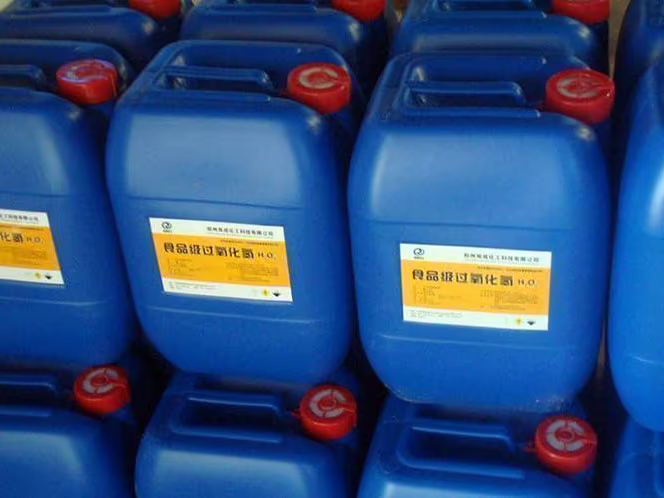
Will Hydrogen Peroxide Explode When Exposed to Fire
Upon exposure to an open flame, hydrogen peroxide rapidly decomposes, releasing substantial heat along with oxygen and water. An explosive reaction ensues when the oxygen concentration hits a critical level. -
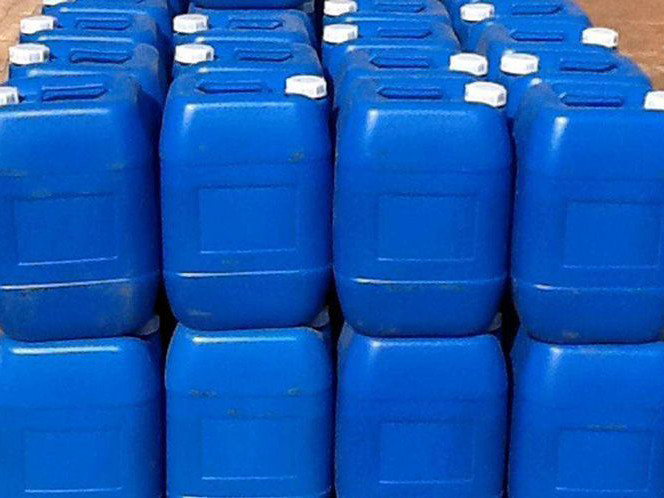
Is Hydrogen Peroxide Considered a Flammable Substance
Hydrogen peroxide acts as a potent oxidizing agent, known for its ability to aid combustion. In specific scenarios, it's considered a volatile, explosive material. -
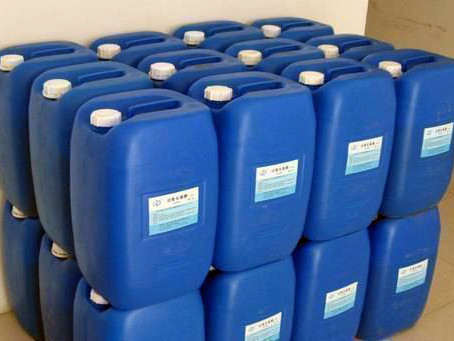
Does Hydrogen Peroxide Have Flammable Properties
Hydrogen peroxide is inherently non-combustible and serves as an oxidizing agent. It invariably functions as a combustion accelerator in all burning processes. -
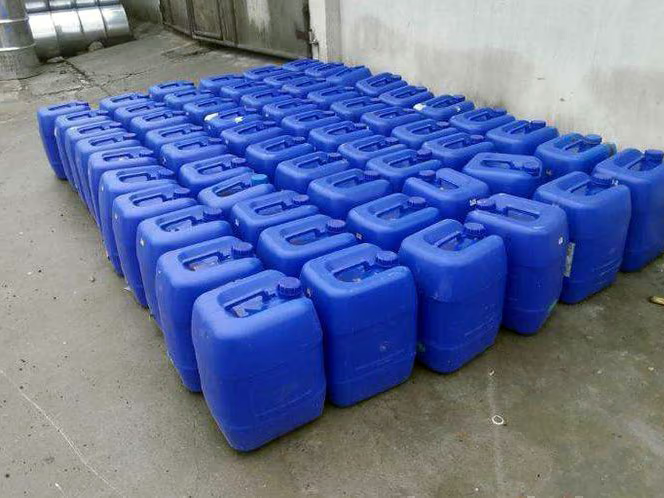
Is Hydrogen Peroxide Flammable
Hydrogen peroxide doesn't qualify as a flammable material and lacks a flash point; hence, it's not ignitable via a lighter. Yet, hydrogen peroxide becomes hazardous when heated, as it decomposes swiftly at elevated temperatures, generating an abundance of oxygen, which significantly fuels the fire. Combustion is inherently an intense oxidation-reduction… -
Is Pentane a Dangerous Product
Hazardous materials are not distinguished as class A or B but by their inherent dangers, like corrosive substances, poisonous gases, and combustible fluids. The classifications of class A and B are delineated in GB50160-2008 "Petrochemical Enterprises Fire Safety Design Standards." Pentane, with a flash point of -40°C and an explosive…