 Shenhai Explosion-Proof

Stay informed with the latest news and updates in the explosion-proof industry from our comprehensive news center.
-

What Oil Is Asphalt Afraid of
Asphalt pavement is particularly susceptible to gasoline and diesel, whose chemical makeup chiefly comprises alkanes and cycloalkanes. In contrast, asphalt is made up of saturated hydrocarbons, aromatic compounds, asphaltenes, and resins. Research indicates a similarity in chemical composition between asphalt and these fuels, evidenced by their close dissolution parameters. This… -
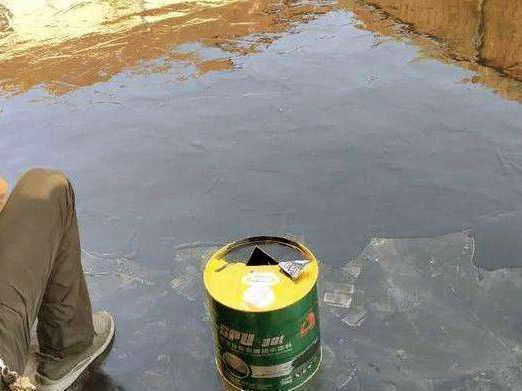
Is Waterproof Asphalt Oil Toxic
Waterproof asphalt coatings, extracted from petroleum, are comprised of non-volatile, high-molecular hydrocarbons. Particularly at elevated temperatures, these coatings emit noxious fumes from harmful substances within the asphalt, substantially affecting the indoor air quality. -
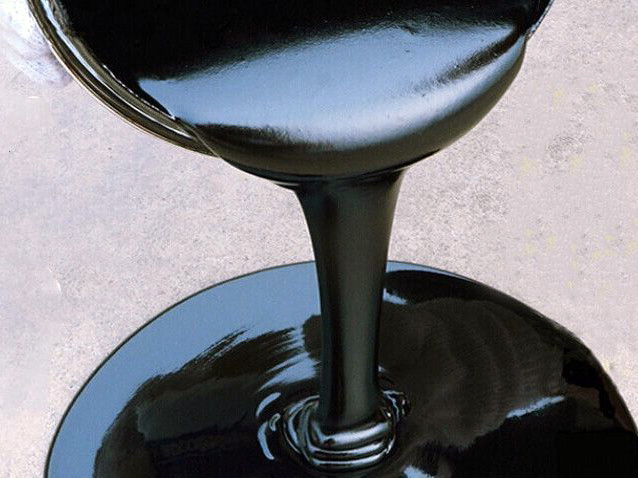
Is Asphalt Oil Fireproof
Asphalt oil is highly susceptible to fire. As a derivative of petroleum, asphalt inherently possesses flammable properties and lacks resistance to fire. -

How Long Does It Take for Asphalt Paving to Become Non-toxic
Typically, the process spans around 20 days. Petroleum asphalt commonly exhibits low toxicity, primarily emitting aromatic hydrocarbons. Conversely, coal tar asphalt, rich in benzene-related volatiles, is notably more toxic. While these substances are inherently toxic, significant exposure over time is generally necessary to manifest toxic effects. -

What Is the Heating Temperature of Asphalt
The heating temperature for standard asphalt should not exceed 170°C to prevent rapid aging. Extended exposure to excessive heat can lead to deterioration. When maintaining prolonged insulation, the temperature should ideally be kept below 100°C.