 Shenhai Explosion-Proof

Stay informed with the latest news and updates in the explosion-proof industry from our comprehensive news center.
-

Is Asphalt Flammable
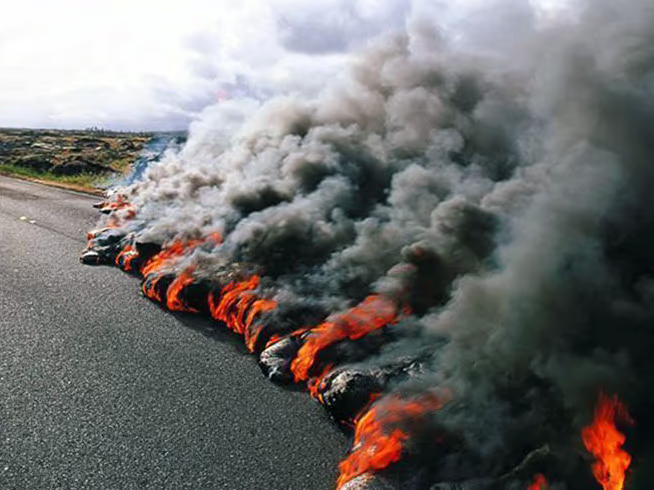
Asphalt is a combustible material. It's not crystalline and doesn't have a definitive melting point, allowing for a clear distinction between its solid and liquid forms. At elevated temperatures, asphalt becomes flowable but doesn't liquify, earning its classification as a "combustible substance." -
At What Temperature Can Asphalt Ignite
Asphalt can be ignited provided the ambient temperature is sufficiently elevated. When the temperature exceeds 300°C, natural asphalt undergoes thermal decomposition, generating lighter molecules that facilitate easier combustion. At refineries, asphalt is combustible at temperatures above 600°C. When the asphalt content in asphalt concrete exceeds 25%, its calorific value exceeds… -

Can Glacial Acetic Acid Ignite
Anhydrous acetic acid is indeed flammable, boasting a higher combustion heat than the flammable compound methanol. Its higher boiling and ignition points mean that the heat generated from its reaction with oxygen is often absorbed by other atmospheric gases, hindering the reaction's sustainability. Therefore, efficient combustion of acetic acid necessitates… -

Which Is Easier to Ignite, Diesel or Gasoline
Gasoline is more susceptible to ignition than diesel. Despite gasoline's ignition point being above 400 degrees Celsius and diesel's over 200 degrees Celsius, gasoline ignites far more easily. Gasoline's significantly lower boiling point means it quickly evaporates into the air, creating a flammable vapor, making it more volatile than diesel,… -
Why Can Electric Sparks Ignite Gasoline
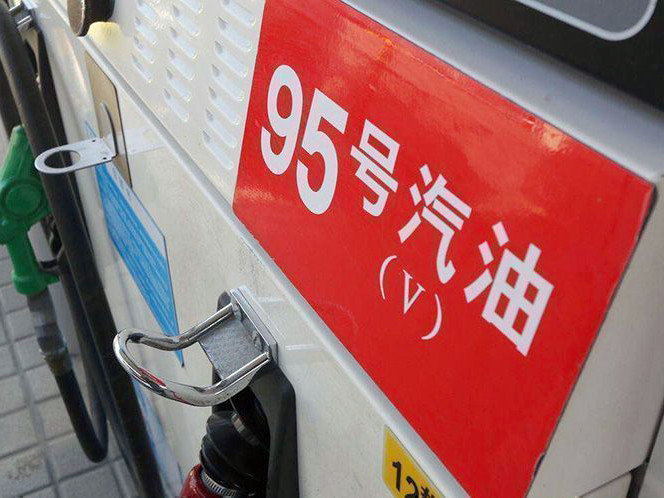
1. An electric spark is generated by high-voltage currents passing through the positive and negative terminals of the spark plug. 2. To be precise, it's the combustion of a mixture of gasoline and air, not just gasoline alone. 3. A mixture of air and gasoline, particularly in the readily combustible…