 Shenhai Explosion-Proof

Explanation Of Terms
Understand key terms and concepts in the explosion-proof sector with our clear, concise terminology explanations.
-
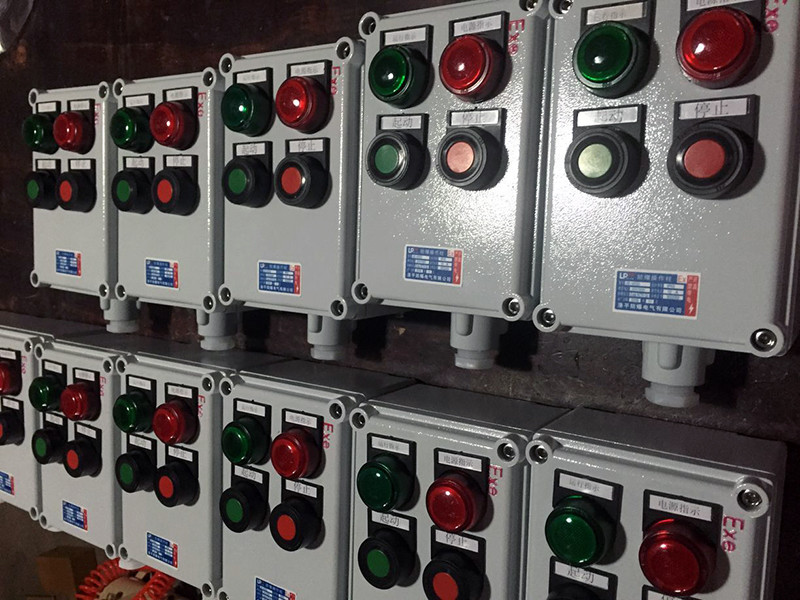
Definition of Explosion-Proof Electrical Equipment
Explosion-proof electrical equipment is a concept often unfamiliar to the general populace. It refers to electrical devices that are engineered and crafted to not ignite explosive atmospheres in hazardous areas, as per set conditions. The fundamental elements required for combustion include combustible substances, oxidizing agents like oxygen, and ignition sources.… -
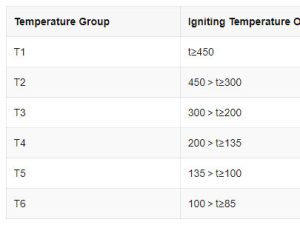
What Is the Temperature Group of Explosion-Proof Electrical Equipment
Temperature classifications serve as a critical safety indicator for assessing the ignition capability of flammable gases and explosion-proof electrical equipment. Flammable gases are categorized into six classes based on their combustion temperatures, while electrical equipment is classified into six categories based on their maximum surface temperatures, denoted as T1, T2,… -

What Does Dust Explosion-Proof A21 Mean
Class A equipment designated for Dust Explosion Zone 21 is characterized by a maximum surface temperature of TA 85°C. In environments where explosions must be prevented, the air can contain flammable and explosive materials such as gases, vapors, dust, and fibers. Explosions can occur when these substances come into contact… -

What Type of Explosion-Proof Equipment Does N Represent
The "n" type explosion-proof electrical equipment is designed for use in Zone 2 of gas-explosive environments. [table id=212 /] This type of equipment comes in a variety of models and has a wide range of applications. Its diverse nature allows for extensive utilization in environments where explosive gases are present,… -
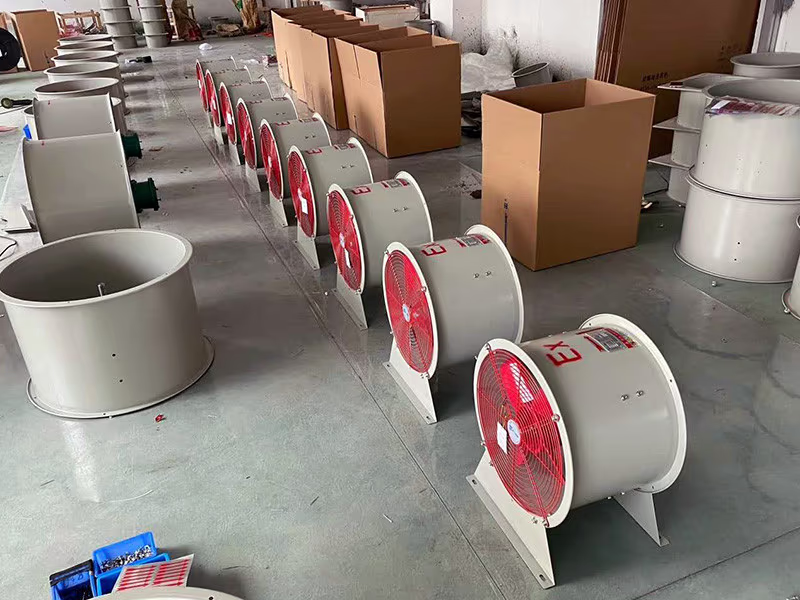
What Is the Typical Voltage of an Explosion-Proof Fan
The certification label on explosion-proof fans indicates a 380V rating, yet these fans are versatile, being adaptable to 220V, 110V, and even 36V configurations. For mining applications, explosion-proof fans are capable of reaching up to 114V, while export models can be designed to handle as much as 400V. In the…