 Shenhai Explosion-Proof

Explanation Of Terms
Understand key terms and concepts in the explosion-proof sector with our clear, concise terminology explanations.
-
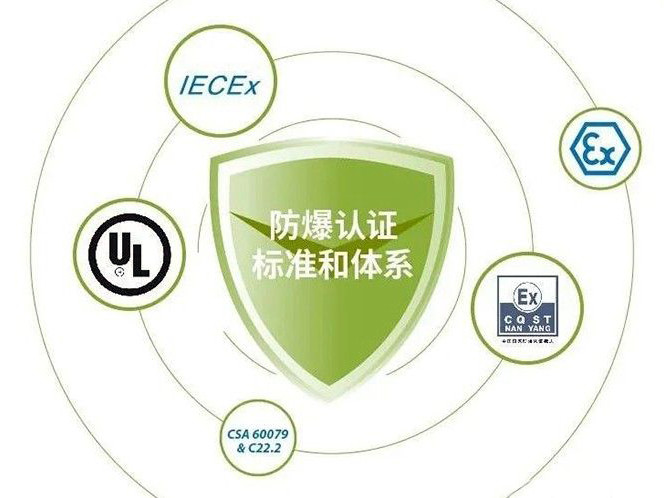
Explosion-Proof Certification Standards and Systems
In various fields such as oil, chemical plants, mining, emergency fire safety, pharmaceuticals, and food processing, environments susceptible to explosions are common during production, processing, storage, and logistics. To ensure personal and manufacturing safety, electrical products used in these environments require explosion-proof certification. Define What exactly is the certification for… -
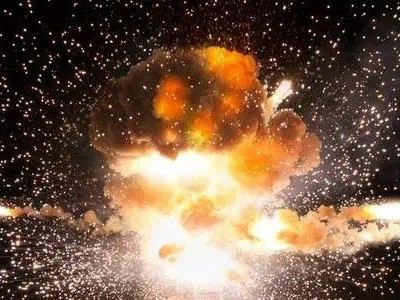
Combustible Dust Explosion Analysis
Incident Case: The August 2, 2014, aluminum powder explosion at Kunshan Zhongrong Metal Products Company led to a tragic toll of 75 fatalities and 185 injuries, marking a profound and costly lesson. Throughout history and across the globe, dust explosion incidents have been recurrent. Nowadays, with the quickened pace of… -
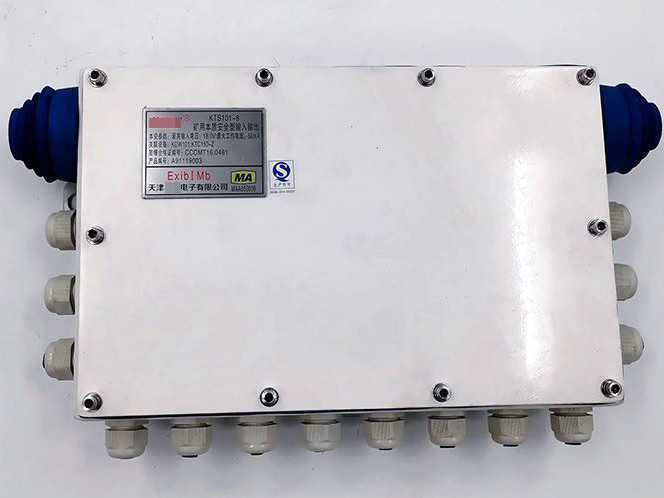
What Does Non-Intrinsically Safe Mean
The term 'intrinsically safe' denotes the inherent safety of a device, signifying that safety is a built-in feature. Conversely, 'non-intrinsically safe' implies that the device lacks inherent safety characteristics, specifically, it does not include isolation capabilities within its design. -
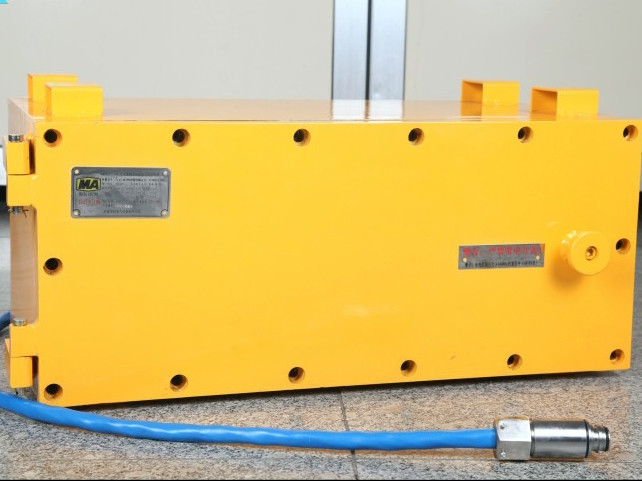
The Concepts of Intrinsically Safe and Non-intrinsically Safe
The intrinsically safe type, also referred to as the intrinsically safe category, is considered the safest among the various explosion-proof classifications. Products classified as intrinsically safe are engineered in such a way that any electrical sparks or thermal effects generated under normal or pre-defined fault conditions do not trigger explosions… -
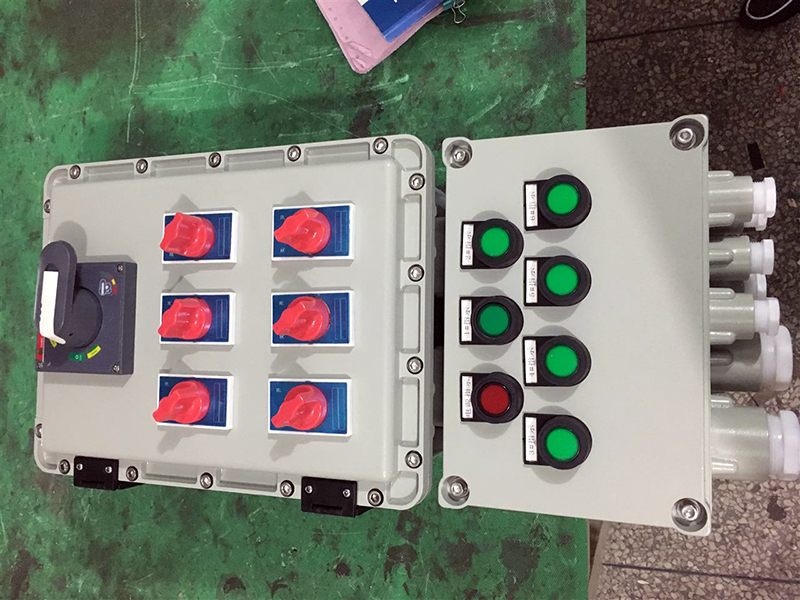
What Is Increased Safety Explosion Protection
Increased safety in explosion-proof design inherently focuses on elevating safety levels. This approach ensures that the equipment does not generate electrical arcs or hazardous high temperatures during standard operation. To enhance safety, the design incorporates additional sealing measures, safeguarding against dangerous temperatures, arcs, and sparks in both the internal and…