 Shenhai Explosion-Proof

Explanation Of Terms
Understand key terms and concepts in the explosion-proof sector with our clear, concise terminology explanations.
-

What Does Explosion-Proof Level CT1 Mean
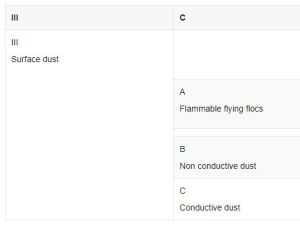
The correct classification is IICT1, which permits the use with IIC class explosive gases. [table id=216 /] The T1 classification specifies that the equipment's maximum surface temperature must not exceed 450°C. An "Ex" prefix should be present, signifying compliance with European explosion-proof standards. -
What Does Explosion-Proof Level AT1 Mean
No company's products currently hold an explosion-proof certification of Exd IIA T1(Lagging temperature group). [table id=280 /] The IIA classification denotes gas explosion protection for Class IIA, specifically propane, predominantly utilized in fuel dispensers; The T1 temperature class specifies that the equipment's maximum surface temperature cannot exceed 450°C. -
What Does Explosion-Proof Level 4 Mean
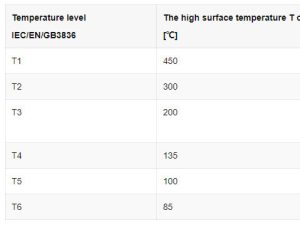
Explosion-proof designation exdllct4: [table id=211 /] Ex signifies explosion-proof; d represents a flameproof type; IIC indicates a safety gap smaller than 0.5 mm and a current below 0.45A; T4 designates the temperature classification for explosion-proof electrical equipment, specifying that the surface temperature of the explosion-proof equipment must not exceed 135°C. -
What Does Explosion-Proof Level BT4 Mean
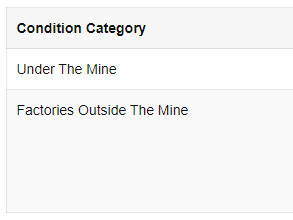
The bt4 rating on explosion-proof equipment indicates two primary parameters. Additionally, the 'b' in bt4 denotes Class IIb, signifying its use in non-mining settings. [table id=216 /] B The 'B' indicates the gas level in the environment, determined through experimental reference levels. This classification primarily accounts for the maximum gaps… -
What Does Explosion-Proof Level ABC Mean
The "abc" represents gas classifications, categorized into three levels—IIA, IIB, and IIC—according to the maximum experimental safe gap (MESG) or the minimum igniting current (MIC). [table id=165 /] Of these, the IIC classification is deemed the most hazardous, with IIB and IIA following in decreasing order of risk. Gases falling…