 Shenhai Explosion-Proof

Product Encyclopedia
Explore our detailed product encyclopedia for in-depth knowledge about our explosion-proof offerings.
-
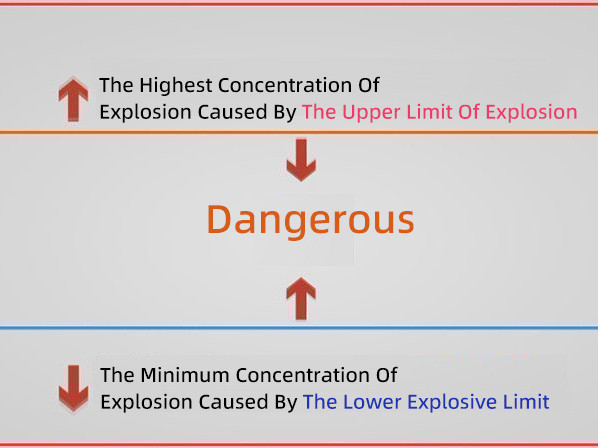
Carbon Dioxide Explosion Limit
Carbon dioxide is not a combustible gas, hence the concept of upper and lower explosive limits is irrelevant for it. -
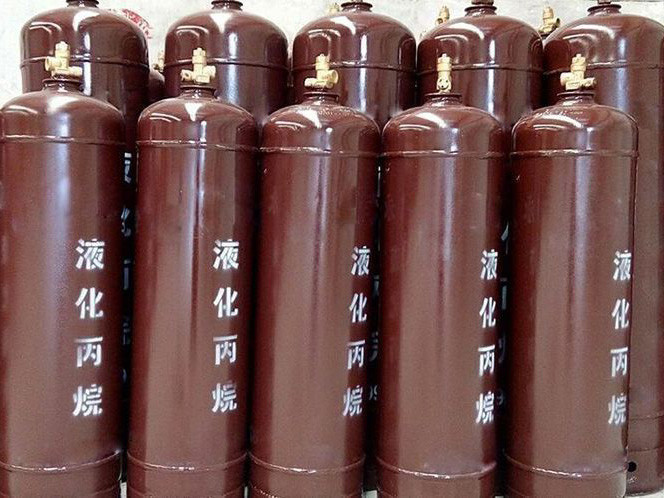
Combustible Gases Heavier Than Air
The average molecular weight of air is 29, making gases with a molecular weight greater than 29 heavier than air. Combustible organic gases heavier than air include propane, butane, propylene, butadiene, acetylene, cyclopropane, dimethyl ether, and ethylene oxide. Inorganic combustible gases heavier than air encompass hydrogen sulfide, phosphine, and silane. -
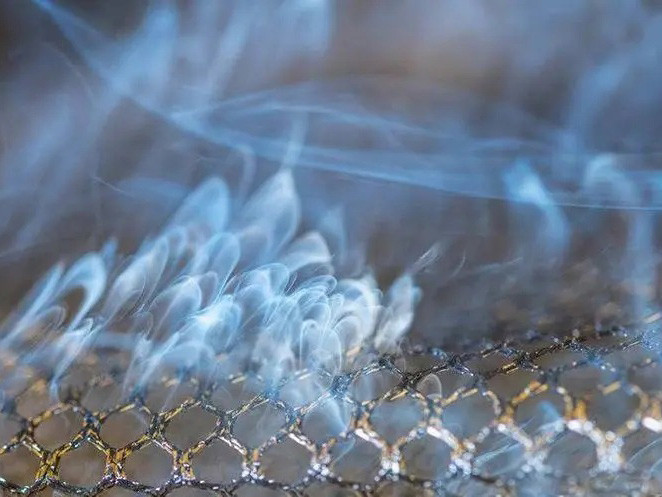
What Are the Combustible and Toxic Gases
Carbon monoxide, ammonia, hydrogen sulfide, and phosphine are all combustible and toxic gases Carbon monoxide is colorless and odorless, forming a primary component of coal gas. Ammonia, also colorless, is characterized by its pungent smell. Hydrogen sulfide, despite being colorless, emits an odor akin to rotten eggs and is utilized… -
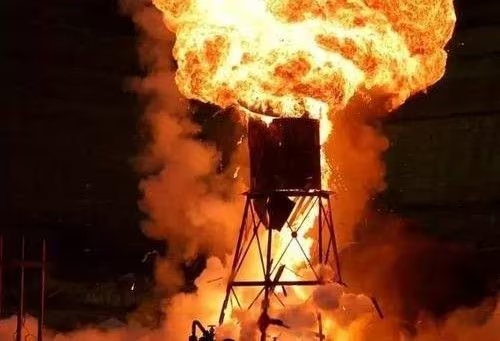
Combustible Gas Explosion Limit
In standard testing conditions, the concentration limit at which a combustible gas or vapor mixed with an oxidizing gas leads to an explosion is termed as the explosion limit. Commonly, the term 'explosion limit' refers to the concentration limits of combustible gases or vapors in air. The lowest concentration of… -
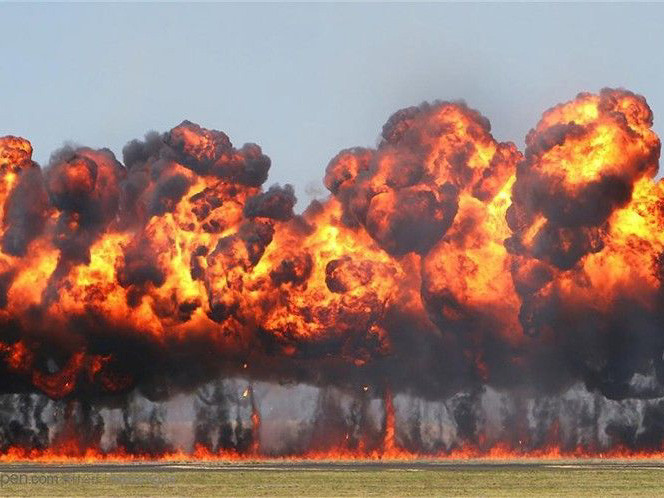
Combustible Gas Explosion Type
In explosive atmospheres, the combustion modes of combustible gases are crucial to understand. These include constant-pressure combustion, constant-volume combustion, deflagration, and detonation. 1. Constant-Pressure Combustion: This mode occurs in open settings where combustion products can dissipate, maintaining equilibrium with the ambient pressure. It's a stable process, free from pressure waves,…