 Shenhai Explosion-Proof

Product Encyclopedia
Explore our detailed product encyclopedia for in-depth knowledge about our explosion-proof offerings.
-
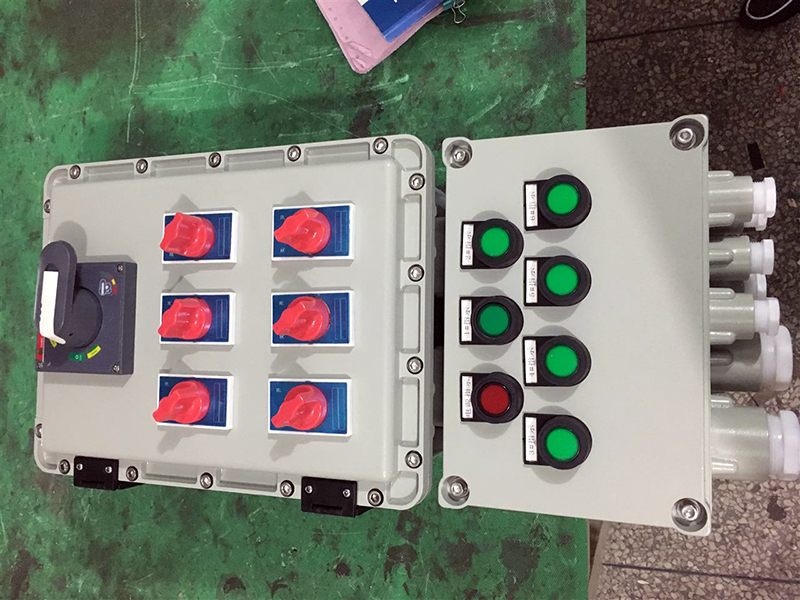
What Is Increased Safety Explosion Protection
Increased safety in explosion-proof design inherently focuses on elevating safety levels. This approach ensures that the equipment does not generate electrical arcs or hazardous high temperatures during standard operation. To enhance safety, the design incorporates additional sealing measures, safeguarding against dangerous temperatures, arcs, and sparks in both the internal and… -
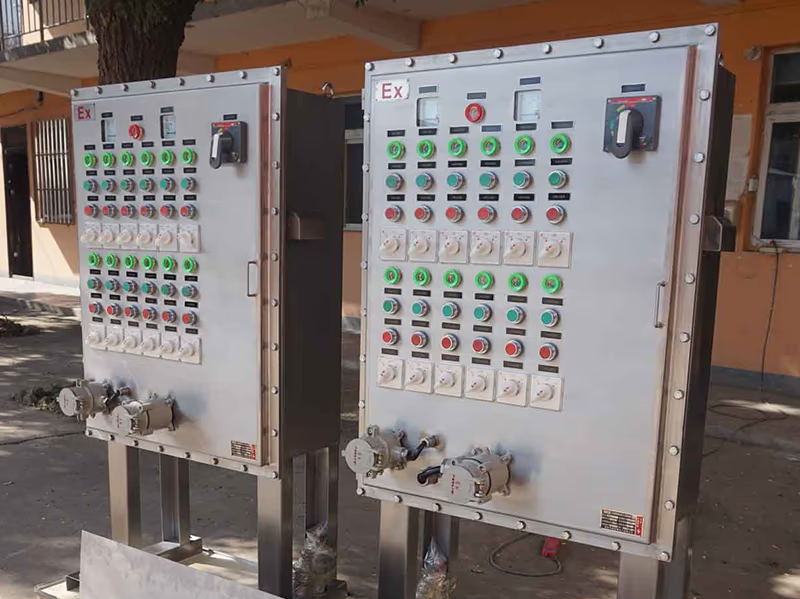
Assembly of Increased Safety Equipment
During the assembly of increased safety equipment, operators are advised to focus on the following critical aspects: 1. It's essential to adjust the electrical clearances and creepage distances of active components to align with design specifications. 2. The protective standards for increased safety enclosures must be maintained, with a minimum… -

Installation Requirements for Flameproof Electrical Equipment
1. Flameproof surfaces must be coated with anti-rust oil, ensuring no oil or adhesive residues are present. 2. The rubber sealing rings in explosion-proof electrical equipment's lead-in devices must match the lead-in wire's outer diameter. They should be securely fastened using the original matching nut or press plate, avoiding direct… -

Precautions for Assembling Flameproof Equipment
In the assembly of flameproof equipment, the following key considerations should be observed by operators: 1. Adhere strictly to the "Component Confirmation Principle." This involves a thorough inspection of components for any damage or defects, followed by a detailed internal cleaning. 2. Diligently clean the flameproof joint surfaces and apply… -

What Is the Difference Between Flameproof and Positive Pressure Types of Explosion-Proof Enclosures
Explosion-proof enclosures, especially prevalent in distribution applications, come in various comprehensive types. Among them, flameproof and positive pressure explosion-proof enclosures are the most common, meeting a wide range of requirements. Many users often wonder about the differences between these two types. Let's delve into their distinct features. Explosion Protection Principles:…