 Shenhai Explosion-Proof

Product Encyclopedia
Explore our detailed product encyclopedia for in-depth knowledge about our explosion-proof offerings.
-

Which Has Higher Requirements, Intrinsically Safe or Flameproof
Intrinsically safe and flameproof represent distinct categories of explosion protection technologies. The intrinsically safe category is further subdivided into three protection levels: ia, ib, and ic, each aligning with varying Equipment Protection Level (EPL) ratings. For example, the ic level of intrinsically safe protection is rated lower than flameproof d,… -
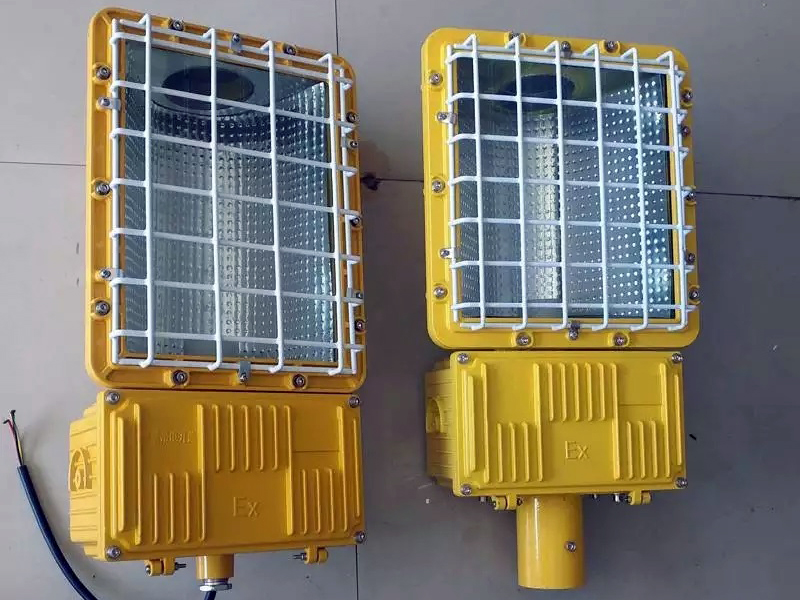
Difference Between Explosion-Proof Lights and Flameproof Lights
A flameproof lamp represents a specific category within explosion-proof lighting. Commonly referred to as a flameproof-type explosion-proof lamp, it employs an explosion-proof enclosure to segregate internal electrical sparks. This isolation effectively prevents the sparks from interacting with air, thereby averting combustion or explosion. -

What Are the Three Essential Elements of Flameproofing
Flameproof Joint Width: Also termed as explosion joint length, it denotes the minimum pathway length from the interior to the exterior of a flameproof enclosure across the explosion joint. This dimension is critical as it represents the shortest route where energy dissipation from an explosion is maximized. Flameproof Joint Gap:… -
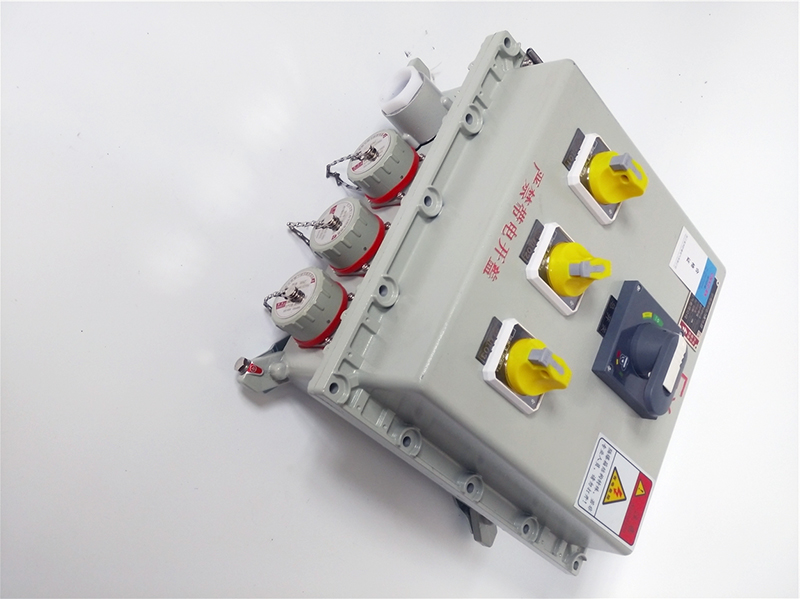
What Is Flameproof
Flameproofing involves the separation of an explosion's origin from potentially explosive gases and dust. Take an explosion-proof motor, for instance. It boasts an exceptionally high protection rating. In the event of a short circuit or failure, it ensures that neither sparks nor high temperatures are transmitted to the external environment. -
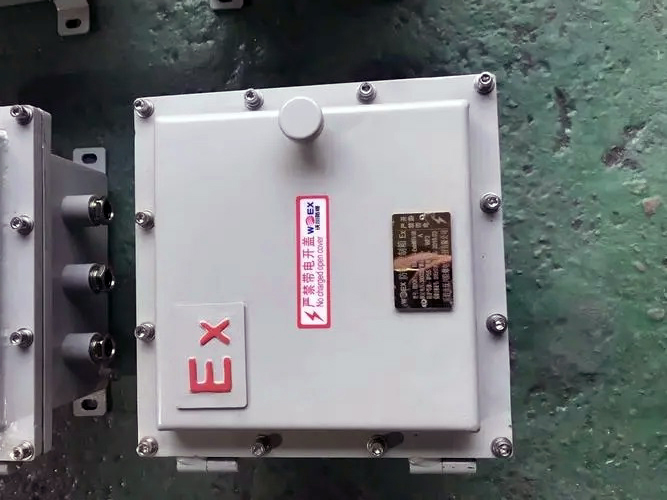
Why Can a Flameproof Enclosure Prevent Explosions
A flameproof enclosure's effectiveness stems from its ability to contain flames within, even when an explosion occurs inside the electrical equipment casing. This containment is ensured by preventing the flames from escaping through various joint surfaces. Adherence to specific standards regarding the gap, length, and surface roughness of these joints…