 Shenhai Explosion-Proof

Performance Characteristics
Explore the key performance characteristics of explosion-proof equipment. Access specifications including protection ratings, product differences, and applications to make informed selection decisions.
-

How Volatile Is Butane
Butane, being gaseous at ambient conditions, swiftly volatilizes when released for solidification or liquefaction into the external environment. Yet, its flammable nature poses risks, as direct evaporation can lead to explosions in the presence of open flames. Thus, it's crucial to devise strategies to incinerate it into ash. Also, it's… -

How Quickly Does Butane Gas Volatilize
Butane dissipates almost instantly, within 2 to 3 seconds, when released into foam padding. -
Is Styrene Flammable
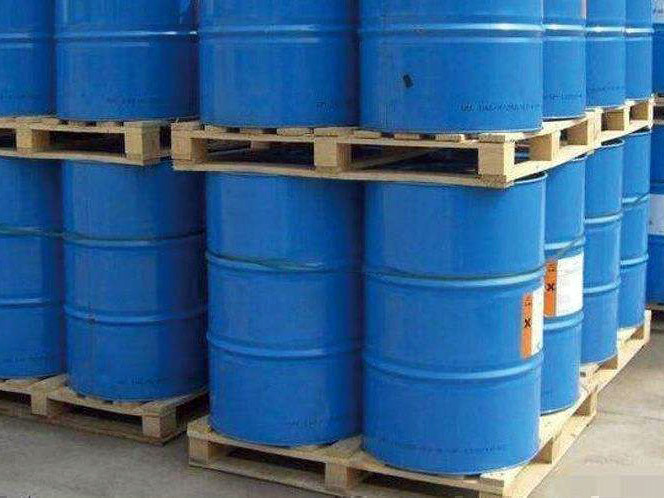
Styrene, with its relatively low melting point, typically exists as a colorless oily liquid at ambient temperatures. Furthermore, with a flash point of merely 30°C, styrene is highly susceptible to combustion or explosion under conditions of elevated temperature and pressure. Additionally, its volatile gases are prone to ignition in the… -

Is Styrene Volatile
Styrene is characterized by its high vapor pressure and pronounced volatility. Comprising benzene and ethylene, this colorless, transparent liquid readily contaminates drinking water, soil, and surface water. Owing to its potent volatility and propensity to evaporate when exposed to light, styrene is typically stored and transported in steel drums to… -
Will Ethylene Explode
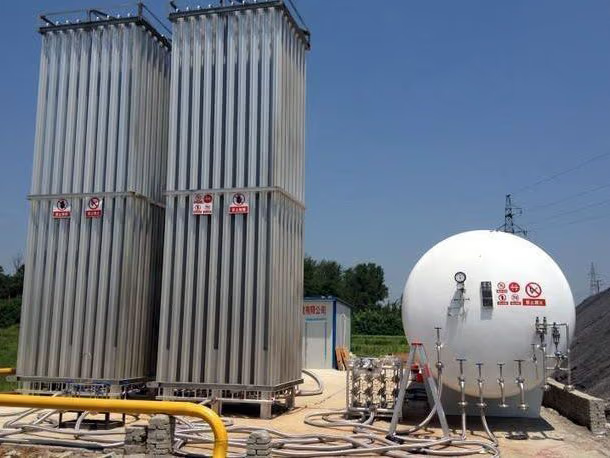
Ethylene, a colorless gas, carries a distinct hydrocarbon odor with a trace of sweetness when in small quantities. It's highly flammable, featuring an ignition temperature of 425°C, an upper explosion limit of 36.0%, and a lower limit of 2.7%. When ethylene blends with air, it creates a volatile mixture capable…