 Shenhai Explosion-Proof

Performance Characteristics
Explore the key performance characteristics of explosion-proof equipment. Access specifications including protection ratings, product differences, and applications to make informed selection decisions.
-

Is Butane Harmful to Skin
Butane is a colorless substance that liquefies and ignites easily. When it comes into contact with the skin, it quickly evaporates, leaving minimal residue and causing negligible damage. However, as butane evaporation absorbs a considerable amount of heat, while small quantities pose no significant risk, substantial exposure can lead to… -

Is Butane Gun Barbecue Toxic
Certainly not, as utilizing a pure butane gas torch is perfectly suitable for directly grilling food items. The combustion process generates water and carbon dioxide, making it an environmentally friendly choice. -
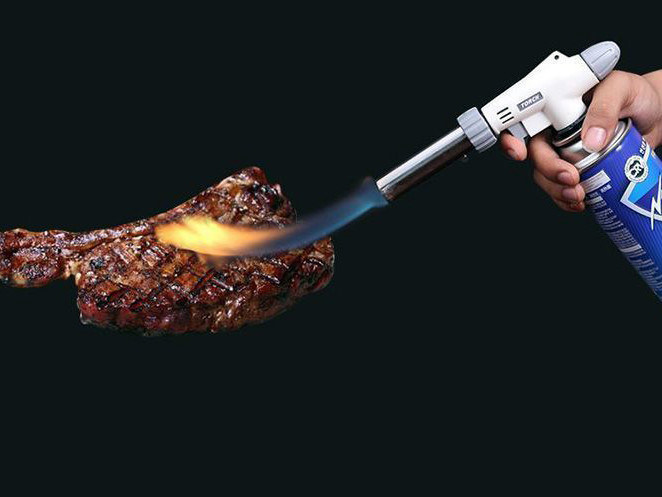
Can a Butane Torch Be Used to Grill Meat
Indeed, as long as the device in use is a kitchen torch, typically fueled by a butane canister. The combustion of butane results in the emission of water and carbon dioxide, posing no risk of food contamination. -
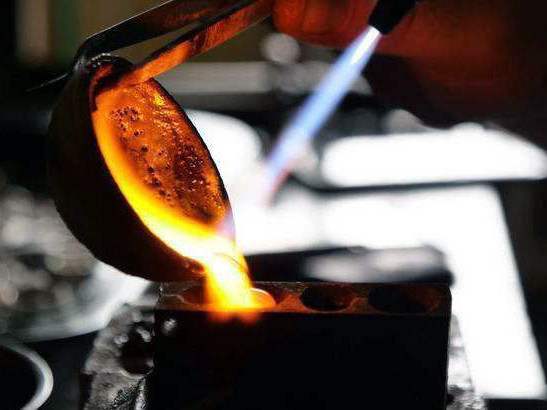
Can a Butane Blowtorch Melt Gold
In industrial settings, the melting of gold is typically achieved using oxygen-acetylene or gas fusion, though butane torches are also a viable option. Gold's melting point stands at 1063°C, with a boiling point of 2970°C and a density of 19.32 grams per cubic centimeter. Melting gold necessitates a specialized torch… -

Butane Gun Flame Temperature
Blowtorches powered by butane can achieve peak temperatures up to 1500°C. In lighters, where butane serves as the fuel, the generated heat typically hovers around 500 degrees. Yet, this differs from the approximately 800-degree temperature of a torch's flame.