 Shenhai Explosion-Proof

Performance Characteristics
Explore the key performance characteristics of explosion-proof equipment. Access specifications including protection ratings, product differences, and applications to make informed selection decisions.
-

Will Natural Gas Pipelines Explode
Typically, natural gas pipelines are designed to be secure and do not explode under normal conditions. However, given the highly explosive characteristics of natural gas, leaks in the pipeline can become extremely dangerous. When leaked gas encounters an open flame or a significant heat source, it can lead to a… -
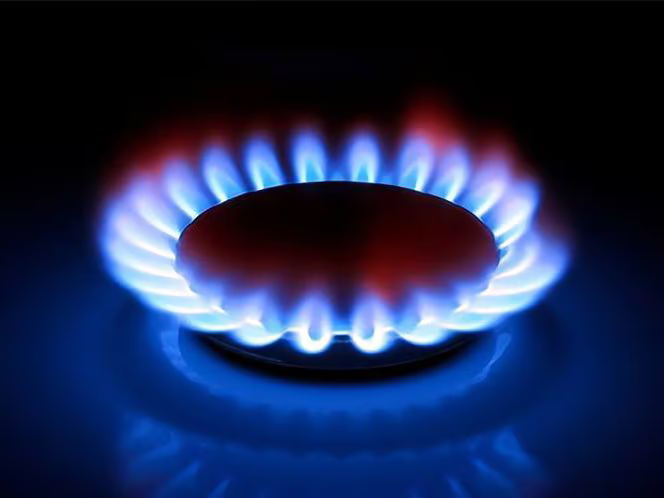
Is Natural Gas Heavier or Lighter Than Air
Natural gas, predominantly comprised of methane with a molecular weight of 16, is lighter than air, which has a molecular weight of approximately 29 due to its primary constituents of nitrogen and oxygen. This difference in molecular weight makes natural gas less dense and causes it to rise in an… -
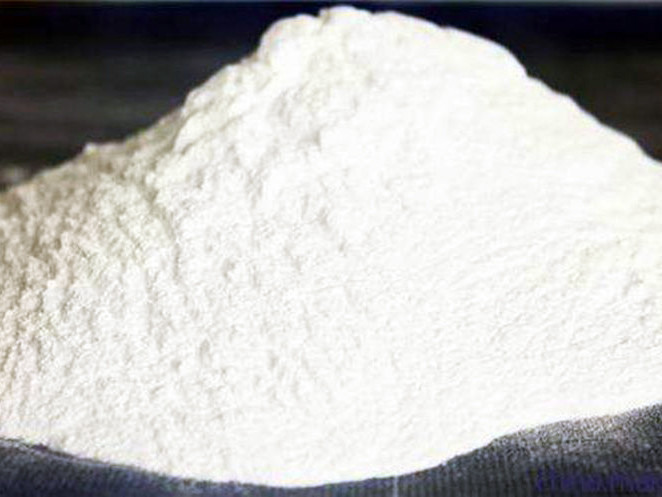
Will Magnesium Oxide Powder Explode
You can be at ease knowing that magnesium oxide is harmless and non-toxic, posing no explosion risk. Nonetheless, it's crucial to wear a mask while handling magnesium oxide to prevent its particles from entering your mouth and nose. -
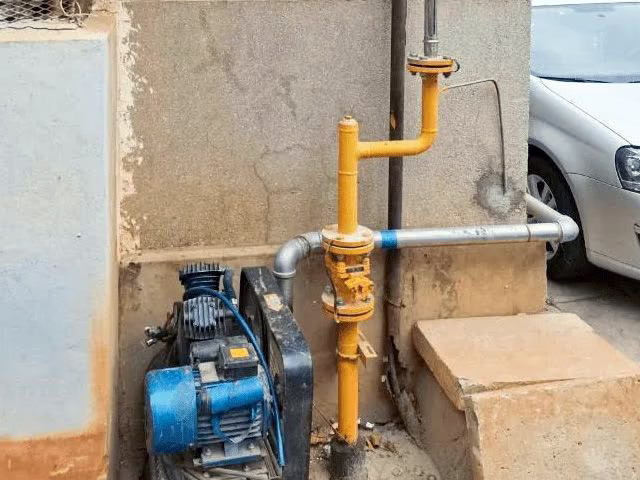
Will Natural Gas Pipelines Explode If Burned
Indeed, when natural gas pipelines are heated to a specific threshold, they are prone to rupture and will combust upon encountering flames. It is imperative to strictly prohibit any flaming of natural gas pipelines. -

Is Butane Gas Poisonous When Burned
Following full combustion, the only residues are carbon dioxide and water. While carbon dioxide can induce suffocation, incomplete combustion generates carbon monoxide, a toxic agent. Moreover, hydrocarbons may undergo incomplete combustion, potentially converting carbon dioxide back into carbon monoxide. The predominant symptoms of carbon monoxide poisoning are dizziness, headaches, lethargy,…