 Shenhai Explosion-Proof

Performance Characteristics
Explore the key performance characteristics of explosion-proof equipment. Access specifications including protection ratings, product differences, and applications to make informed selection decisions.
-
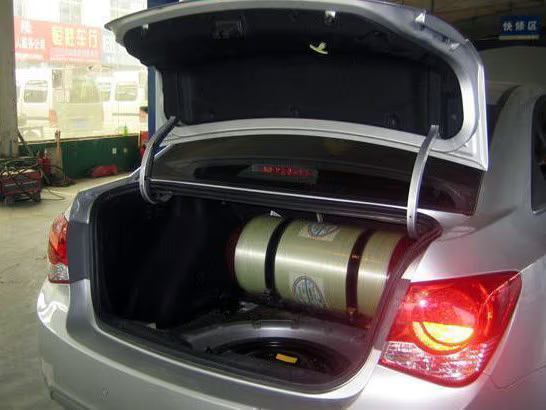
Can Cars Running on Natural Gas Explode
Explosions in natural gas-powered vehicles during traffic incidents are infrequent events. For a natural gas tank to explode, a combination of specific circumstances is necessary: high temperature, elevated pressure, confined space, the presence of an open flame, and leakage. Merely colliding won't trigger an explosion due to the gas's tendency… -
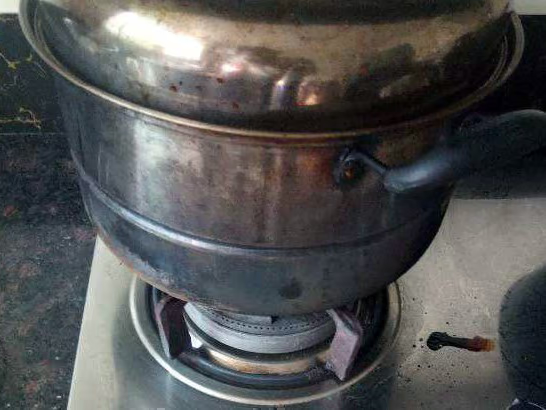
Will Dry Burning of Natural Gas Explode
In the absence of a gas leak, natural gas typically doesn't pose an explosion threat. Yet, should water boil unmonitored for too long and overflow, extinguishing the gas flame, a consequential gas leak may ensue. If the gas accumulates to a critical concentration, it becomes explosive. Prolonged periods of dry… -
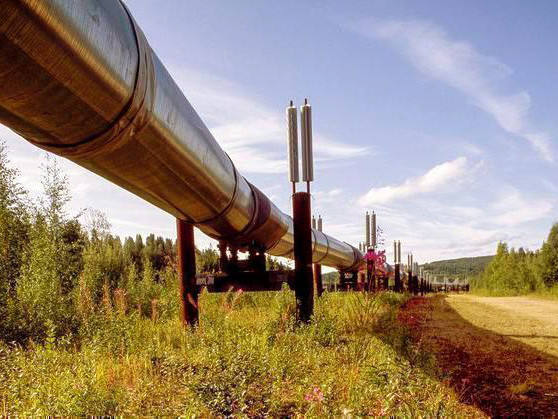
Can Natural Gas Explode in Open Air
Outdoor leakage of natural gas poses an explosion hazard. This occurs as natural gas, upon meeting an ignition source, is prone to ignition and can lead to an explosive leak. -
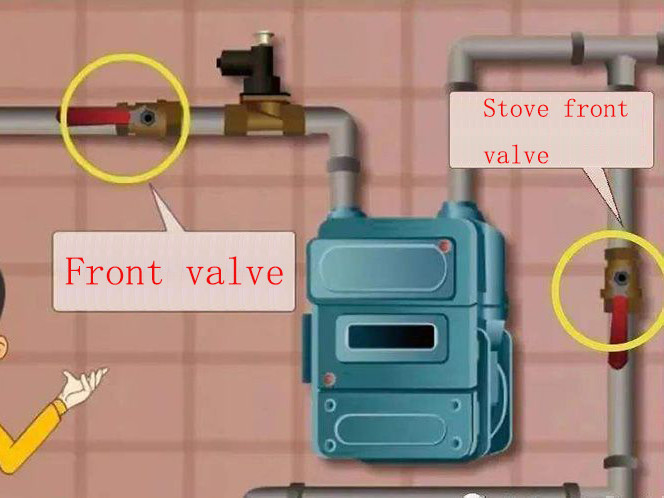
Is It Dangerous to Forget to Turn off the Natural Gas
Neglecting to close the natural gas valve can be a momentary lapse, and leaving the front valve open temporarily isn’t critical. However, it's important to ensure it's turned off when you return. For prolonged absences from home, it's imperative to turn off all gas valves. Neglecting this can result in… -
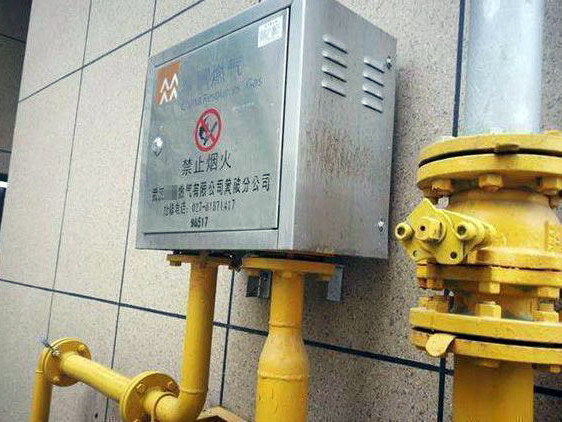
Will a Natural Gas Leak Explode
The likelihood of a natural gas leak exploding is not a certainty. Typically, the risk of explosion is tied to the concentration of natural gas in the air. Should this concentration reach a critical point and subsequently encounter a flame, an explosion can be triggered. In the event of a…