 Shenhai Explosion-Proof

Performance Characteristics
Explore the key performance characteristics of explosion-proof equipment. Access specifications including protection ratings, product differences, and applications to make informed selection decisions.
-
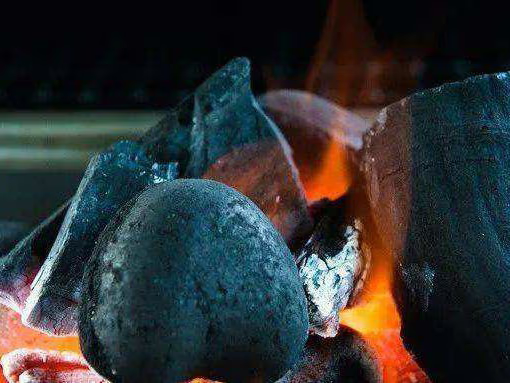
Will Impure Carbon Monoxide Explode if Ignited
It is essential to test combustible gases before ignition to avert explosions. Given that carbon monoxide's explosive limits are between 12.5% and 74%, undetected levels can easily lead to detonation. -
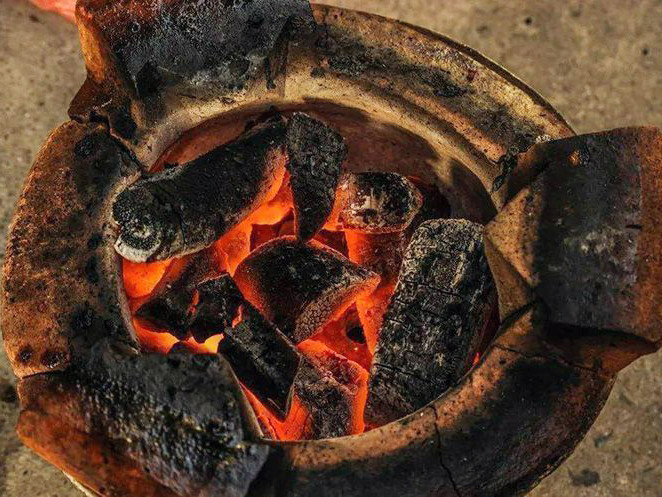
Do Methane and Carbon Monoxide Explode
Methane and carbon monoxide do not interact chemically. When combined and set alight, they simply burn quietly where they meet the air, without any explosion. -

Will Carbon Monoxide Explode When Ignited
In specific circumstances, combustible gases can undergo intense combustion, releasing substantial heat and causing a swift expansion in the surrounding gas volume, leading to an explosion. Carbon monoxide has an explosive range of 12.5% to 74%. To create a combustible premixed atmosphere, it needs to be uniformly distributed within 12.5%… -
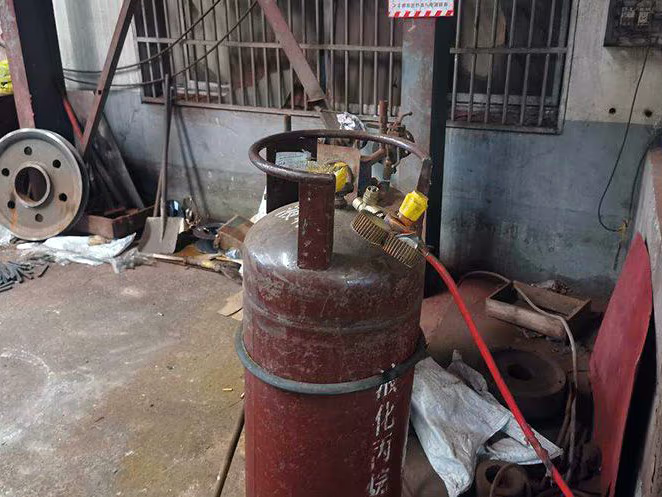
Will Propane Explode
Propane is highly flammable, falling under the Class A fire hazard category. It forms an explosive blend with air, capable of igniting and detonating when it meets open flames or substances at high temperatures. This is because when water vapor's weight surpasses that of air, it disperses farther and can… -
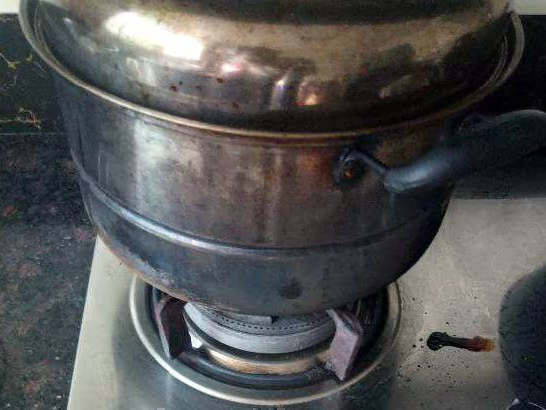
Will Natural Gas Leak if the Pot Burns Dry
In general, it's unlikely. Stainless steel pots dry out usually because there's insufficient water inside or too much water has spilled over on the stove, causing rapid evaporation. This condition doesn't lead to water spillage or gas leakage on the stove. However, extended cooking without water can cause the stove's…