 Shenhai Explosion-Proof

Performance Characteristics
Explore the key performance characteristics of explosion-proof equipment. Access specifications including protection ratings, product differences, and applications to make informed selection decisions.
-

What Is the Combustion Temperature of Carbon Monoxide
The ignition point of carbon monoxide stands at 650°C. Regarding the combustion temperature, at standard atmospheric conditions, the flame of carbon monoxide reaches approximately 2095°C. -

Carbon Monoxide and What Substances Cause Explosions When Heated
Primarily, the explosive elements are hydrogen and oxygen present in the air. In theory, ammonia can also create an explosive mix with it. Essentially, any impurity within the carbon monoxide predisposes it to explosion. -
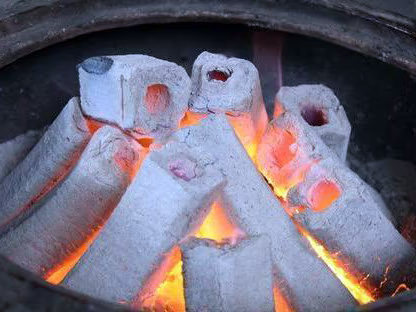
Can Carbon Monoxide Explode
Carbon monoxide doesn't explode on mere exposure to air, but it will ignite explosively upon encountering an open flame once mixed with air. It is a combustible and volatile gas. In combination with air, it becomes an explosive compound, with an explosive range between 12% and 74.2%. In terms of… -
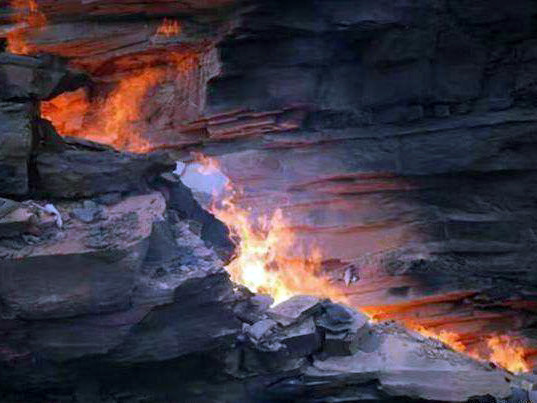
Why Does CO Explode When Mixed With Air
When carbon monoxide is ignited in a mixture with air, it can result in an explosion. This is due to CO and O2 mixing in a specific ratio within the explosive limits—near the stoichiometric proportions required for CO2 formation. Such a mix can trigger a rapid and intense reaction, causing… -
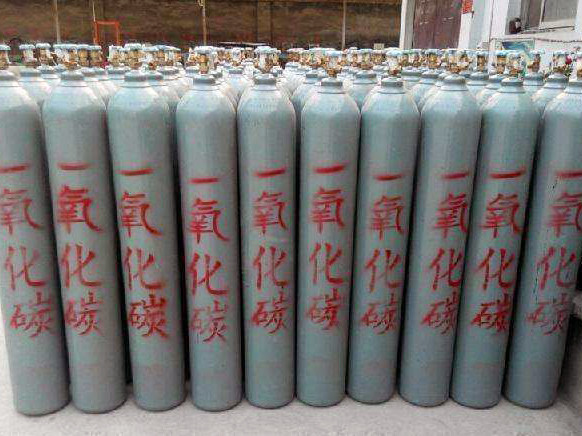
Will a Carbon Monoxide Bottle Explode
In a confined space, carbon monoxide poses no explosion hazard. Demonstrably, it can be securely contained in cylinders, transported, and used. Carbon monoxide is inert and non-explosive under elevated pressures and in oxygen-free, sealed environments. Indeed, it is often mixed with nitrogen in high-pressure cylinders to serve as a standard…