 Shenhai Explosion-Proof

Performance Characteristics
Explore the key performance characteristics of explosion-proof equipment. Access specifications including protection ratings, product differences, and applications to make informed selection decisions.
-
Which Is Easier to Ignite, Diesel or Gasoline
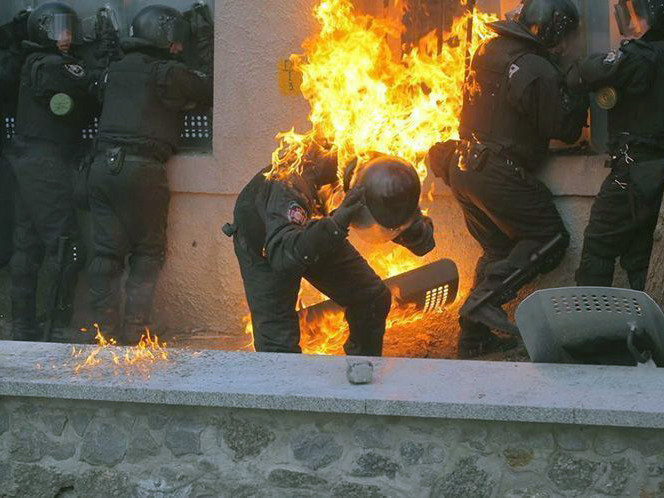
Gasoline is more susceptible to ignition than diesel. Despite gasoline's ignition point being above 400 degrees Celsius and diesel's over 200 degrees Celsius, gasoline ignites far more easily. Gasoline's significantly lower boiling point means it quickly evaporates into the air, creating a flammable vapor, making it more volatile than diesel,… -
Can an Electric Spark Ignite Gunpowder
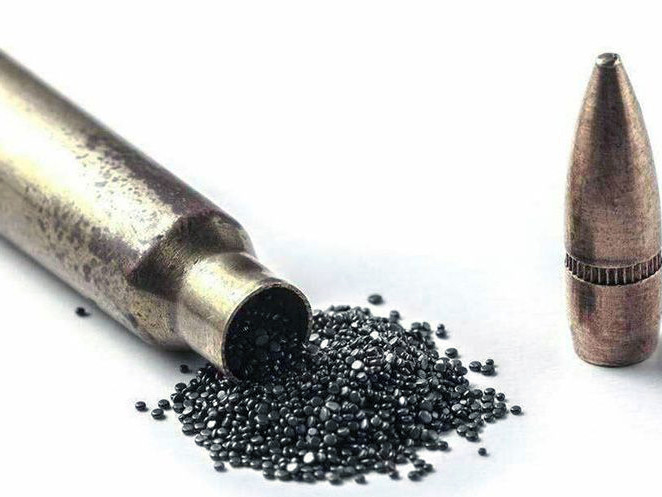
It's not a given; the outcome largely hinges on the gunpowder's formula and the voltage producing the electric sparks. Gunpowder is ignited not by the voltage itself but by the sparks generated during discharge. An increase in voltage or current can result in a greater number of sparks. -
Will Methane Explode When It Encounters Air
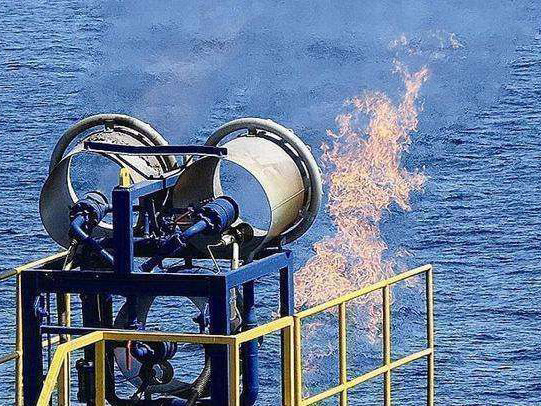
Explosions occur within certain bounds, specifically within the explosive limits. The explosive limits for CH4 in the air range from 5% to 15% methane concentration. An explosion will ensue if the methane's volumetric proportion falls within this 5% to 15% range and comes into contact with an open flame. -
Will Methane Explode if Ignited
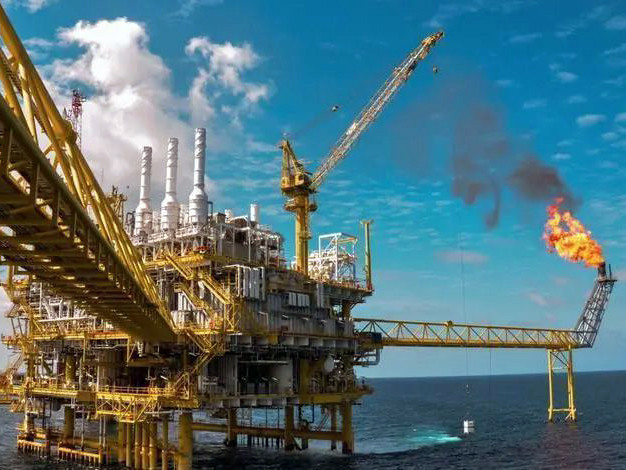
Methane's explosive concentration in the air ranges from 5% to 15%. It will detonate upon reaching this specific threshold, while concentrations lower or higher than this range are non-explosive. -
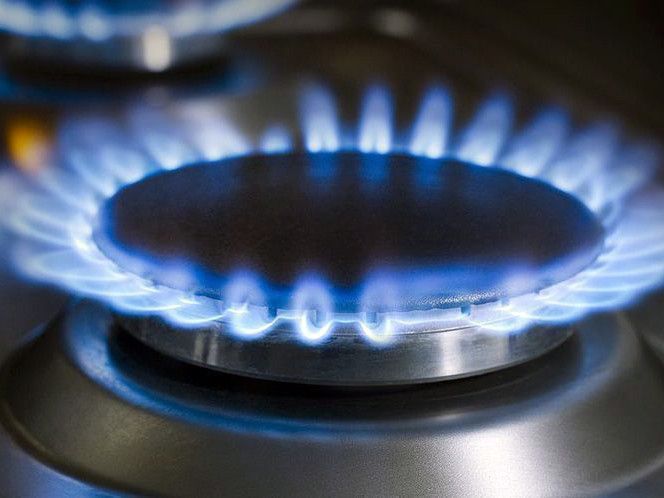
Can Methane Explode in a Confined Space
Natural gas, which is colorless, odorless, and non-toxic, consists mainly of methane and is highly susceptible to explosions upon encountering flames in enclosed spaces. Under normal circumstances, if the concentration of flammable gases in a confined area exceeds the lower explosive limit by more than 10%, it's deemed a dangerous…