 Shenhai Explosion-Proof

Performance Characteristics
Explore the key performance characteristics of explosion-proof equipment. Access specifications including protection ratings, product differences, and applications to make informed selection decisions.
-
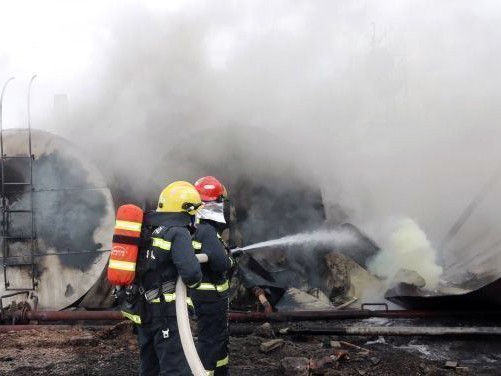
Will Asphalt Explode
Asphalt powder can become explosive when overly fine. As the primary constituents of asphalt, polycyclic aromatic hydrocarbons, when sufficiently pulverized, are prone to forming dust. Due to asphalt's extensive surface area, it readily interacts with air, significantly increasing the risk of dust explosions. -
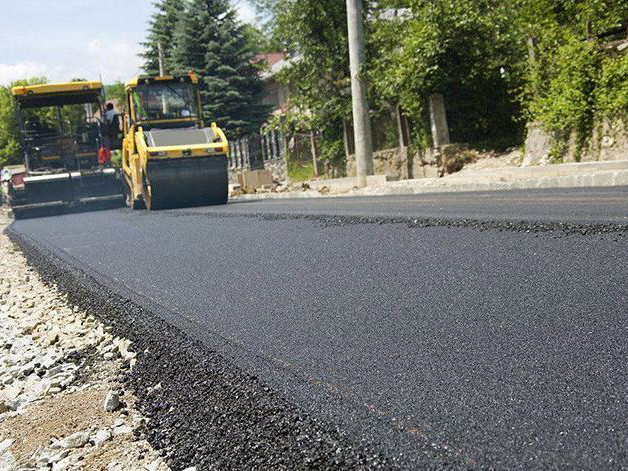
Is Asphalt Solid or Liquid
Asphalt exists in two primary states: it remains solid at ambient temperatures and transitions into a liquid when heated. In construction, laborers heat the asphalt to its liquid form and apply it onto the work surface. Upon cooling, it solidifies into a protective coating, enhancing waterproofing, commonly employed in roadway… -
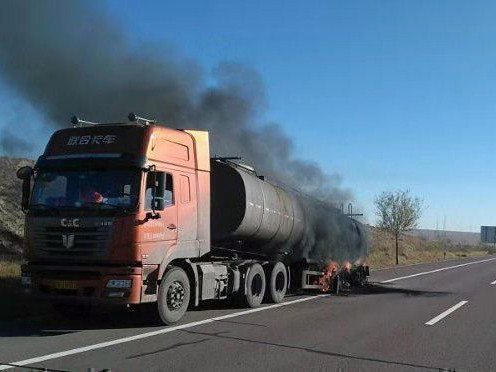
Will Asphalt Burn When Exposed to Fire
Asphalt does not self-ignite in the air; it necessitates an explicit flame to initiate combustion. -

Is Asphalt Flammable
Asphalt is a combustible material. It's not crystalline and doesn't have a definitive melting point, allowing for a clear distinction between its solid and liquid forms. At elevated temperatures, asphalt becomes flowable but doesn't liquify, earning its classification as a "combustible substance." -
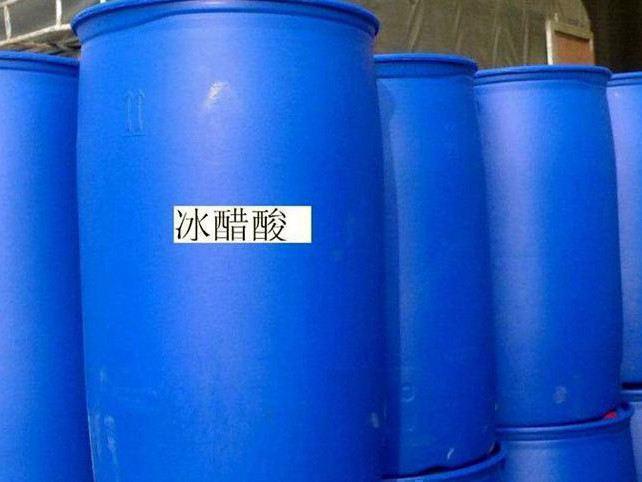
Can Glacial Acetic Acid Ignite
Anhydrous acetic acid is indeed flammable, boasting a higher combustion heat than the flammable compound methanol. Its higher boiling and ignition points mean that the heat generated from its reaction with oxygen is often absorbed by other atmospheric gases, hindering the reaction's sustainability. Therefore, efficient combustion of acetic acid necessitates…