 Shenhai Explosion-Proof

Performance Characteristics
Explore the key performance characteristics of explosion-proof equipment. Access specifications including protection ratings, product differences, and applications to make informed selection decisions.
-

Is Gunpowder Considered an Explosive
Gunpowder falls under the category of explosives, a subset of hazardous materials. These materials encompass a range of substances known for their flammability, explosiveness, corrosive nature, toxicity, and radioactivity. Examples include gasoline, gunpowder, concentrated acids and bases, benzene, naphthalene, celluloid, and peroxides. It's imperative that these materials are managed according… -

Will Gunpowder Explode at High Temperatures
Under extreme heat and pressure, gunpowder is prone to spontaneous combustion, leading to explosive outcomes. A visit to the Third Fireworks Factory in Anping County on July 16th, around 10 a.m., revealed this stark reality. The southeastern and southwestern sections of the storeroom, specifically designated for gunpowder, were reduced to… -

Can Gunpowder Burn in a Vacuum
Black powder is uniquely capable of ignition in a vacuum, independent of atmospheric oxygen. Rich in potassium nitrate, its decomposition liberates oxygen, which then vigorously reacts with embedded charcoal and sulfur. This intense reaction produces significant heat, nitrogen gas, and carbon dioxide, demonstrating the powder's potent exothermic properties. -
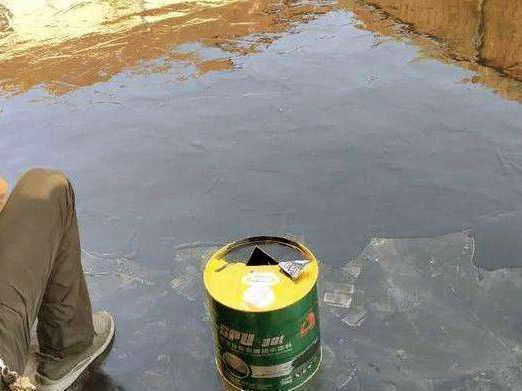
Is Waterproof Asphalt Oil Toxic
Waterproof asphalt coatings, extracted from petroleum, are comprised of non-volatile, high-molecular hydrocarbons. Particularly at elevated temperatures, these coatings emit noxious fumes from harmful substances within the asphalt, substantially affecting the indoor air quality. -
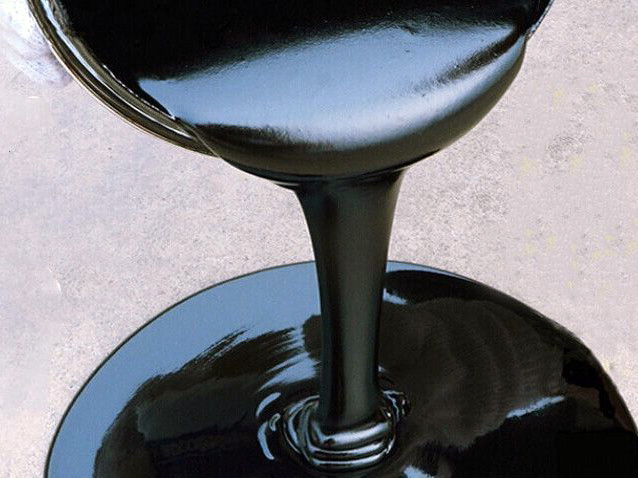
Is Asphalt Oil Fireproof
Asphalt oil is highly susceptible to fire. As a derivative of petroleum, asphalt inherently possesses flammable properties and lacks resistance to fire.