 Shenhai Explosion-Proof

Performance Characteristics
Explore the key performance characteristics of explosion-proof equipment. Access specifications including protection ratings, product differences, and applications to make informed selection decisions.
-
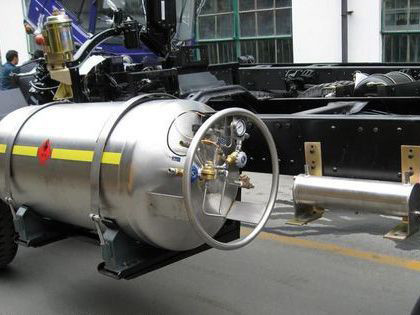
Which Is More Prone to Explosion, Methane or Ethane
Considering the scope of explosion potential, methane exhibits a higher propensity for explosion. This is further compounded by its lower flash point temperature, elevating the probability of an explosion occurring. -

What Is the Temperature of Methane Combustion Flame
Methane is capable of burning at temperatures as high as 538°C, with the peak flame temperature in methane combustion reaching around 2860°C. Ordinary gas stoves have the potential to achieve temperatures exceeding 1000 degrees. -
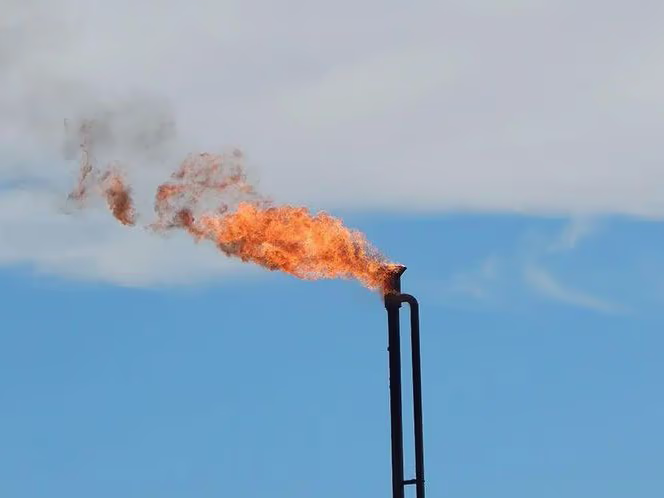
Which Is More Dangerous: Acetylene or Methane
The risk associated with methane is significantly higher, attributed to its substantial hydrogen content, which enables it to release greater amounts of heat relative to its weight. Acetylene, on the other hand, is rich in carbon, predisposing it to smoke formation. This can impede combustion processes and challenge the sustainability… -
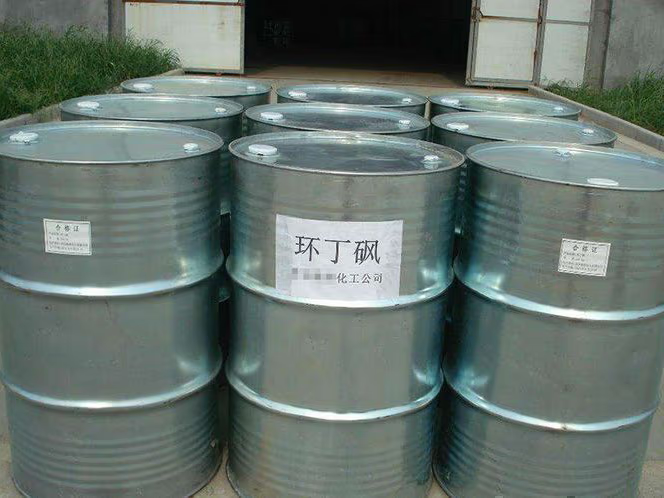
Is Sulfolane a Hazardous Chemical
Tetrahydrothiophene, recognized for its toxicity, falls under the category of hazardous chemicals. It is prone to decomposing into toxic substances if the storage temperature surpasses 220°C. Given the considerable disparity in solubility between straight-chain alkanes and aromatic compounds, aromatic extraction units are commonly employed as extraction agents. Such reagents find… -

Does Methane Belong to Hazardous Chemicals
Methane, a chemical gas, is categorized as a hazardous material. Identified under UN1971, it is classified as a Class 2.1 flammable gas. When exporting, methane can be transported through various modes including sea freight, air freight, and express courier services.