 Shenhai Explosion-Proof

Performance Characteristics
Explore the key performance characteristics of explosion-proof equipment. Access specifications including protection ratings, product differences, and applications to make informed selection decisions.
-

At What Temperature Will Acetylene Explode
1. Acetylene initiates a polymerization reaction when the temperature is under 540°C and the pressure reaches 0.3MPa. 2. Acetylene experiences explosive decomposition at temperatures above 580°C and pressures over 0.5MPa. 3. The transition of acetylene from polymerization to explosive decomposition occurs at lower temperatures as the pressure increases. -
Is Death Likely Within 10 Meters of an Acetylene Explosion
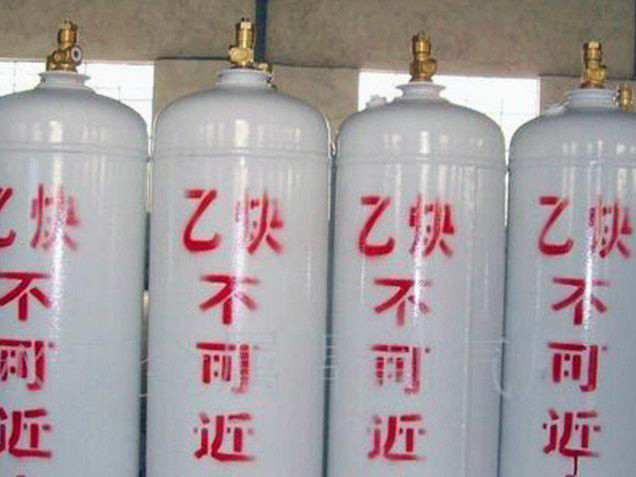
A mixture of acetylene and oxygen, if it ignites and causes a standard gas cylinder to explode, results in certain fatality within a ten-meter radius. Apart from the risk of being hit by cylinder shrapnel, the immediate negative pressure and the blast wave from the explosion are powerful enough to… -
Will Acetylene Explode
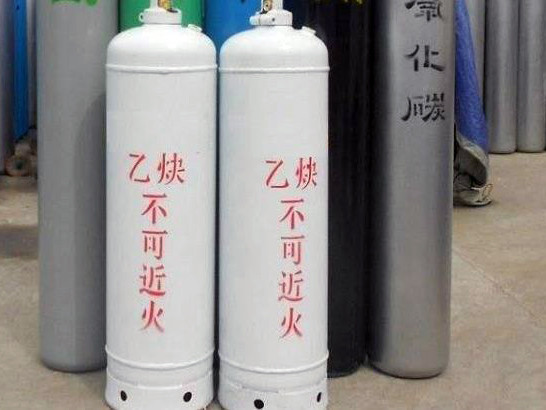
Acetylene's explosion limits are between 2.5% and 80%, indicating that explosions can happen when its concentration in the air is within these bounds. Beyond this threshold, ignition will not lead to an explosion. In detail, acetylene concentrations over 80% or under 2.5% will not result in an explosion, even with… -
What Types of Explosion-Proof Electrical Equipment Are There
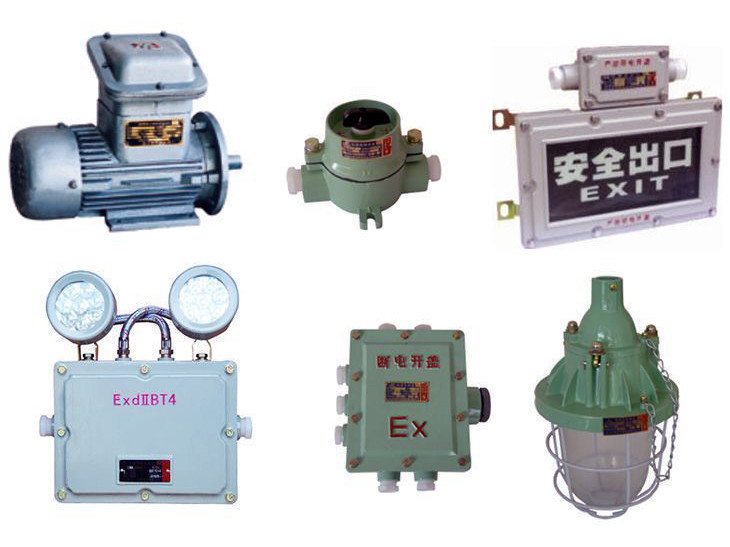
Explosion-proof electrical equipment mainly consists of explosion-proof motors, electrical devices, and lighting fixtures. Explosion-Proof Motors These are differentiated by voltage levels into low-voltage motors (rated voltage below 1.5 kilovolts) and high-voltage motors (rated voltage above 1.5 kilovolts). Explosion-Proof Electrical Devices This category includes explosion-proof switching devices and accessories. They are… -
What Is the Protection Level for Explosion-Proof Electrical Equipment
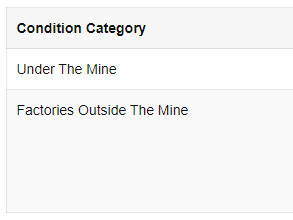
The Equipment Protection Level (EPL) assesses the explosion-proof reliability of a specific type of device based on potential faults and preventive measures, serving as a key safety indicator for explosion-proof electrical equipment. [table id=165 /] The levels are categorized as a, b, and c: 1. Level a ensures consistent explosion-proof…