 Shenhai Explosion-Proof

Performance Characteristics
Explore the key performance characteristics of explosion-proof equipment. Access specifications including protection ratings, product differences, and applications to make informed selection decisions.
-
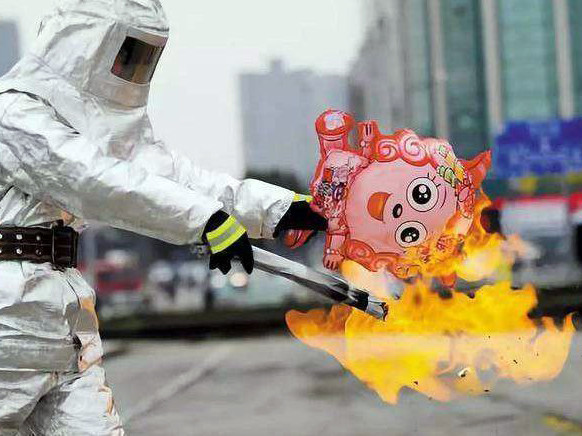
Will Hydrogen Explode When It Meets Oxygen
An explosion is conceivable, contingent upon the fulfillment of specific explosive criteria. For hydrogen to ignite explosively, its concentration must lie within an explosive threshold, ranging from 4.0% to 75.6% by volume. Moreover, a substantial accumulation of heat in a confined area is essential for such an explosion. -
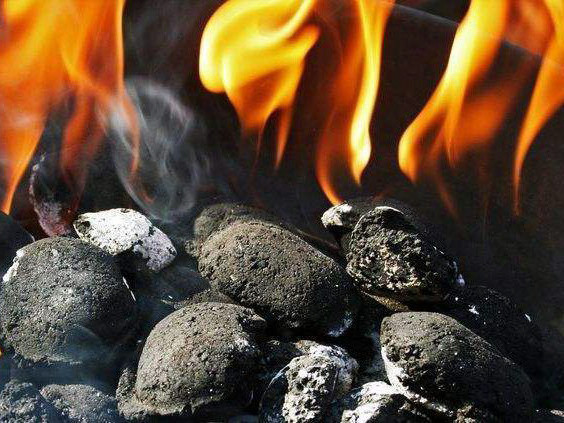
Why Does a Mixture of Co and Oxygen Explode
An explosion is triggered due to the substantial heat released from the reaction between carbon monoxide and oxygen, resulting in rapid expansion. Furthermore, the carbon monoxide involved is not pure. -

What Is the Oxygen Cutting Temperature
An oxy-fuel cutting torch can produce flame temperatures between 3100 and 3150°C. This intense heat is employed to slice through metal using a flame projected from an oxy-acetylene blowpipe. -

Does Combustion Consume Oxygen
Certain types of combustion deplete oxygen, while others do not. Combustion is a vigorous, heat-releasing oxidation-reduction reaction, necessitating three elements: an oxidant, a reductant, and a temperature that achieves the ignition threshold. While oxygen is a well-known oxidizer, it is not the sole agent capable of this role. For example,… -
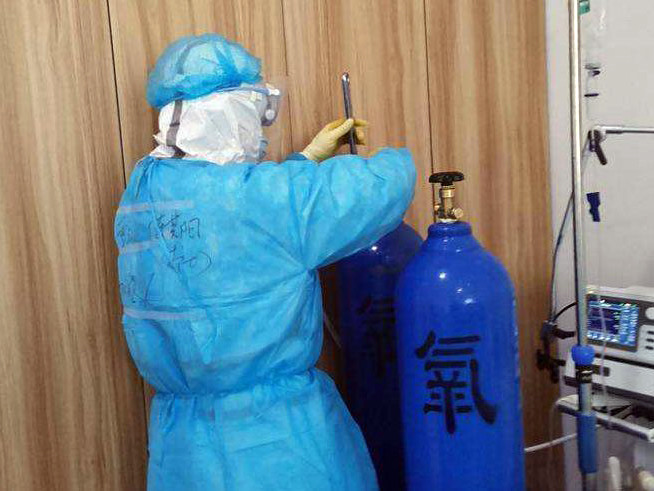
Will Hospital Oxygen Explode if Exposed to Fire
Medical oxygen is prone to explosion upon exposure to a concealed flame since any material becomes flammable in an oxygen-rich environment, fulfilling all three criteria for combustion. The potential for combustion and explosion is substantial. Hence, it is imperative to avoid any contact between oxygen and open flames or any…