 Shenhai Explosion-Proof

Performance Characteristics
Explore the key performance characteristics of explosion-proof equipment. Access specifications including protection ratings, product differences, and applications to make informed selection decisions.
-
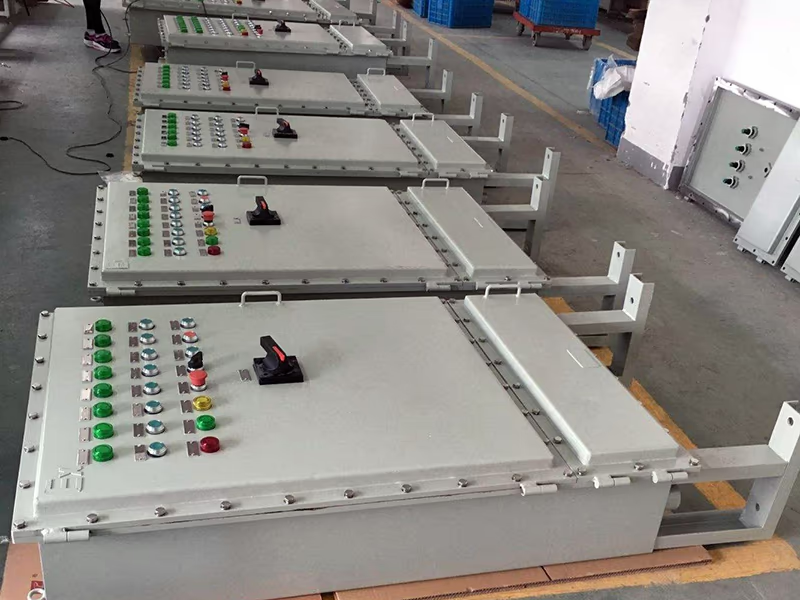
Which Level of Protection Is Higher, Flameproof or Intrinsically Safe
The intrinsically safe type is often regarded as more sophisticated since it is applicable in Zone 0 environments, a capability not shared by flameproof types. Yet, it's more insightful to view each type as distinct, rather than in a hierarchical manner. Both types boast unique features and advantages, making them… -

Is Phosphine Explosive
Phosphine gas is known for its extreme toxicity, flammability, and explosive nature. Improper handling of phosphine fumigation can readily result in significant health hazards and, in severe cases, may be fatal. -
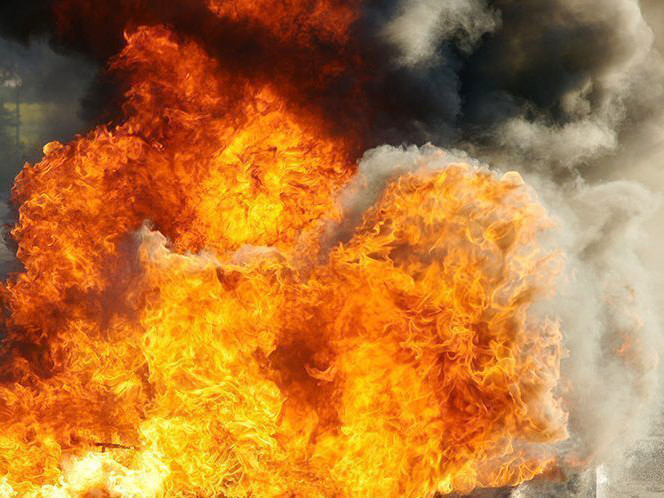
Will Phosphine Gas Explode
Phosphine, characterized as a flammable gas, possesses the potential to explode when reaching specific concentrations. -
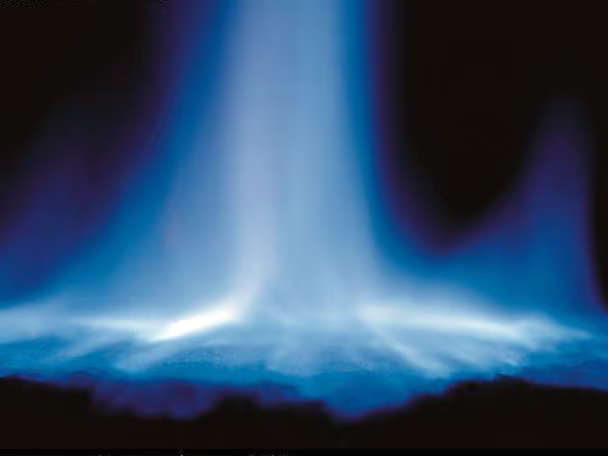
How Does Phosphine Burn in Air
In air, phosphine ignites to emit a blue flame. This combustion is marked by a low level of heat release, endowing the flame with a distinct persistence. -
Is Phosphine a Highly Toxic Gas
Phosphine gas is known for its extreme toxicity. Exposure typically happens through inhalation, which adversely impacts the central nervous system and the respiratory system. This can result in a diminished level of consciousness and a decreased respiratory function.