 Shenhai Explosion-Proof

Performance Characteristics
Explore the key performance characteristics of explosion-proof equipment. Access specifications including protection ratings, product differences, and applications to make informed selection decisions.
-
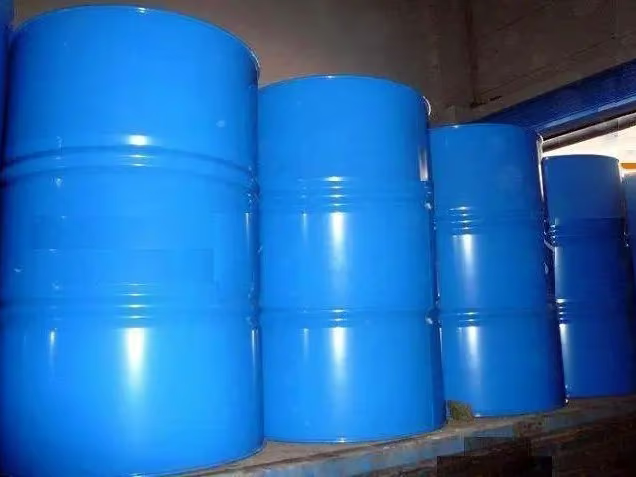
Does Butadiene Cause Cancer
The U.S. Environmental Protection Agency (EPA) is currently conducting an investigation into the link between butadiene and cancer. Additionally, the EPA has formulated a draft plan to regulate the dispersion of benzene, identified as a carcinogen. The agency asserts that substantial data exist demonstrating that butadiene, along with its synthetic… -
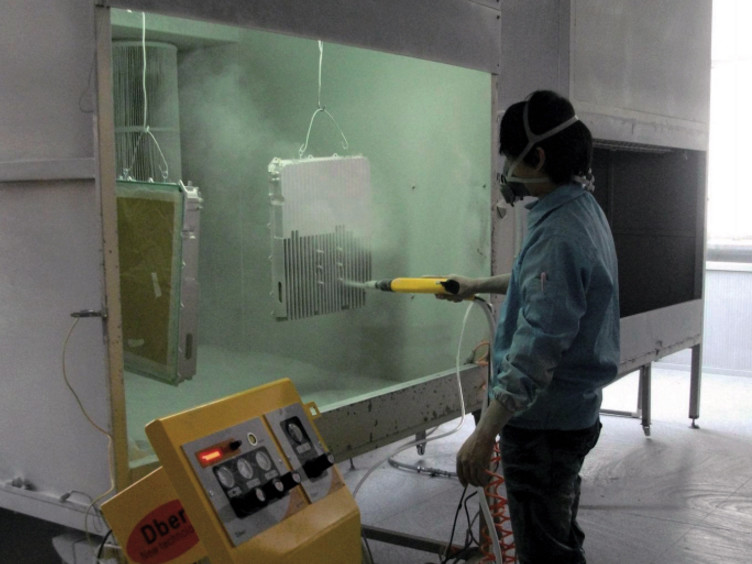
Is Electrostatic Spray Powder a Combustible Dust
Powder becomes combustible in the midst of the electrostatic spraying process. Once the dust concentration hits a specific threshold and comes into contact with an open flame, it is prone to explode. -

Is Iron Powder Flammable
Under normal circumstances, iron powder does not ignite but undergoes oxidation in the air. Nonetheless, given the right conditions, it can indeed combust. Take, for example, a scenario where you ignite a beaker with 50% alcohol content. If you introduce a substantial quantity of iron powder, heat it within the… -

Is Iron Powder Considered Explosive Dust
Iron powder does not qualify as explosive dust. Nevertheless, iron has the potential to ignite in environments abundant in oxygen. Hence, it's recommended to avoid storing oxygen cylinders in areas where iron powder is present. -

Is Iron Powder Flammable and Explosive
Iron powder does not fall under that category. It's employed as a desiccant in various food packaging bags. Despite its resemblance to gunpowder, it's significantly safer!