 Shenhai Explosion-Proof

Performance Characteristics
Explore the key performance characteristics of explosion-proof equipment. Access specifications including protection ratings, product differences, and applications to make informed selection decisions.
-

Is Iron Powder Combustible Dust
Under usual circumstances, it won't. Iron powder is commonly categorized as an oxide, known for its stable chemical properties, making it unlikely to engage in chemical reactions at standard room temperatures. -

What Is the Difference Between Flameproof and Positive Pressure Types of Explosion-Proof Enclosures
Explosion-proof enclosures, especially prevalent in distribution applications, come in various comprehensive types. Among them, flameproof and positive pressure explosion-proof enclosures are the most common, meeting a wide range of requirements. Many users often wonder about the differences between these two types. Let's delve into their distinct features. Explosion Protection Principles:… -
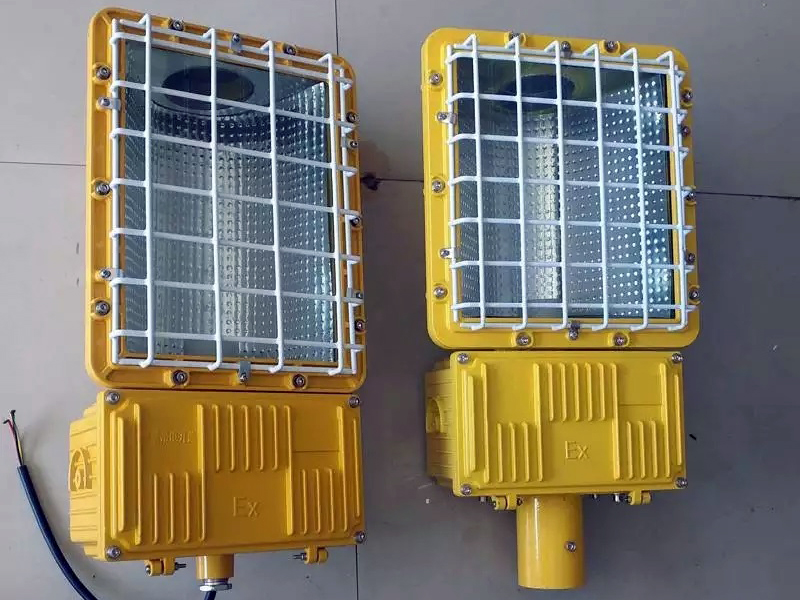
Difference Between Explosion-Proof Lights and Flameproof Lights
A flameproof lamp represents a specific category within explosion-proof lighting. Commonly referred to as a flameproof-type explosion-proof lamp, it employs an explosion-proof enclosure to segregate internal electrical sparks. This isolation effectively prevents the sparks from interacting with air, thereby averting combustion or explosion. -
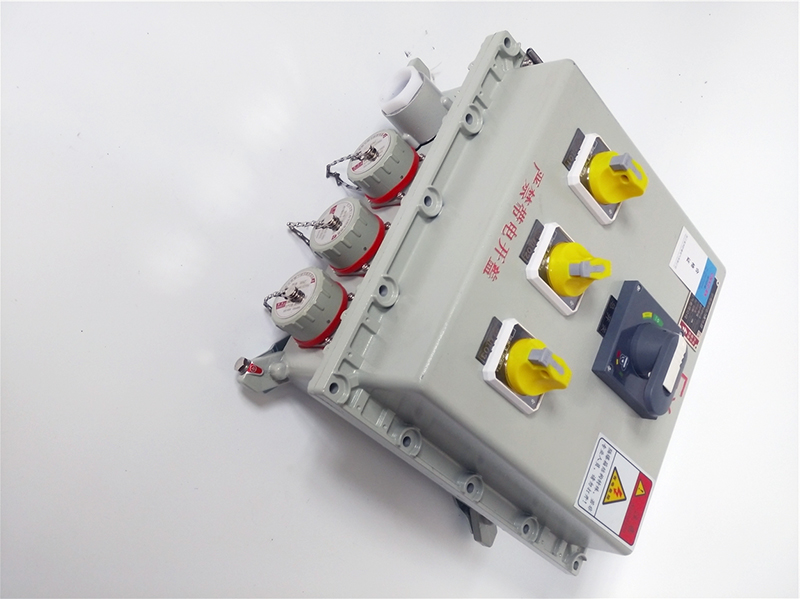
What Is Flameproof
Flameproofing involves the separation of an explosion's origin from potentially explosive gases and dust. Take an explosion-proof motor, for instance. It boasts an exceptionally high protection rating. In the event of a short circuit or failure, it ensures that neither sparks nor high temperatures are transmitted to the external environment. -
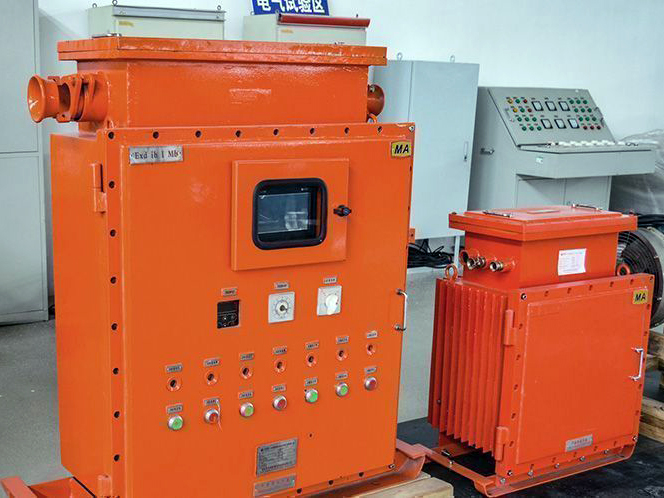
Correct Explanation of Flameproof Combined with Intrinsically Safe
Flameproof In essence, the term "flameproof" denotes that a device may experience internal explosions or fires. Importantly, these incidents remain confined within the device, ensuring no impact on the surrounding environment. Intrinsic Safety "Intrinsic safety" pertains to a device's malfunctioning in the absence of external forces. This includes scenarios like…