 Shenhai Explosion-Proof

Performance Characteristics
Explore the key performance characteristics of explosion-proof equipment. Access specifications including protection ratings, product differences, and applications to make informed selection decisions.
-

Is Propane or Liquefied Gas Better
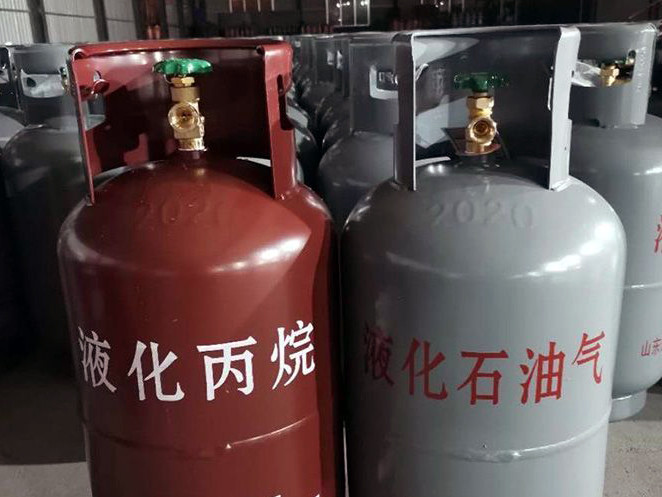
Propane, utilized as a household fuel, excels in combustion efficiency and fire resistance. Notably, burning pure propane does not emit black smoke, instead producing a faint blue flame. In contrast, liquefied gas often contains a blend of other elements or dimethyl ether, which burns with a red flame. Propane's primary… -
Which One Is More Durable, Propane or Liquefied Gas
Propane outlasts liquefied petroleum gas in terms of durability. When comparing equal volumes, propane's durability is superior, a feature attributable to its higher hydrogen content that leads to lower heat usage. Yet, it's important to note that for home cooking, propane comes at a notably higher price than liquefied petroleum… -
Will Carbon Monoxide and Hydrogen Explode
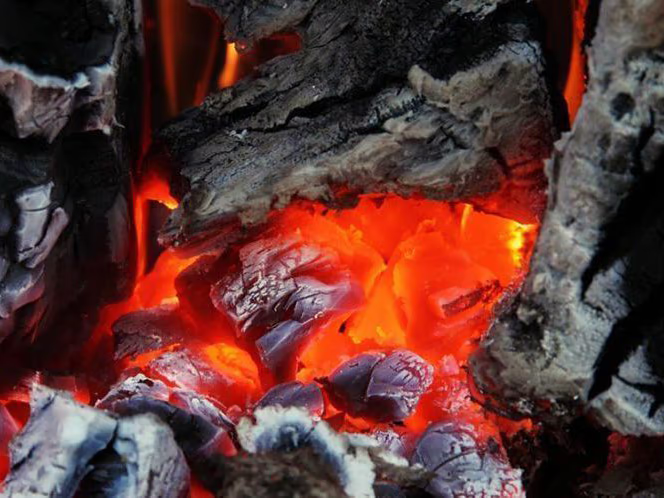
A blend of carbon monoxide and hydrogen, in itself, does not result in an explosion; Yet, when this combined gas interacts with air or oxygen, any kind of ignition or encounter with a naked flame could trigger an explosion. -

Will It Explode if the Oxygen Concentration Is High
Oxygen, which aids in combustion, is not explosive in itself. However, when its concentration becomes exceedingly high, and combustible substances are evenly mixed with oxygen at specific proportions, they can burn vigorously in the presence of high heat or open flames. This intense burning causes a sudden expansion in volume,… -

Will Hydrogen and Oxygen Explode
Explosions happen exclusively when hydrogen and oxygen are combined in concentrations that meet the explosive threshold.