 Shenhai Explosion-Proof

Performance Characteristics
Explore the key performance characteristics of explosion-proof equipment. Access specifications including protection ratings, product differences, and applications to make informed selection decisions.
-
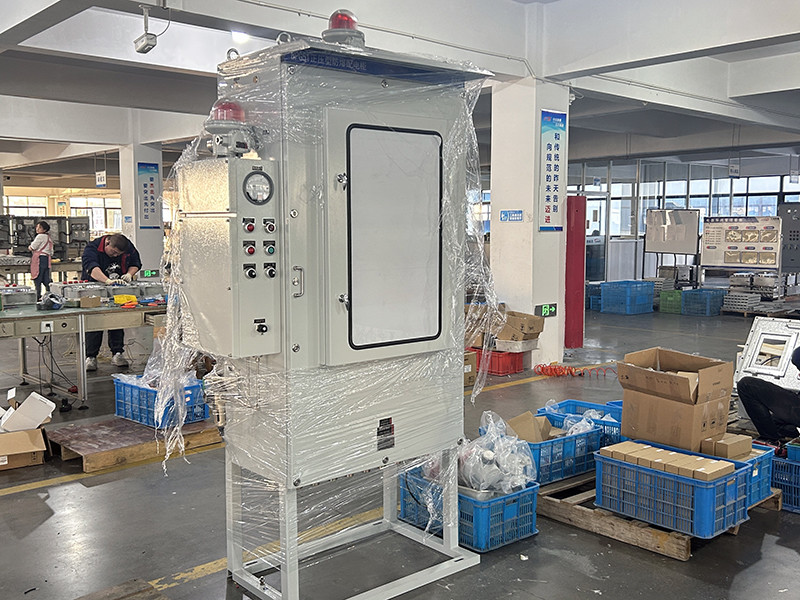
What Is Explosion-Proof Electrical Equipment
Explosion-proof electrical equipment is specifically designed with technical measures in structure and performance to avoid igniting flammable gases or environments, thereby averting explosions. This equipment is different from conventional industrial and domestic electrical devices. In terms of structure, explosion-proof equipment should feature an appropriate level of protection (IP rating) to… -
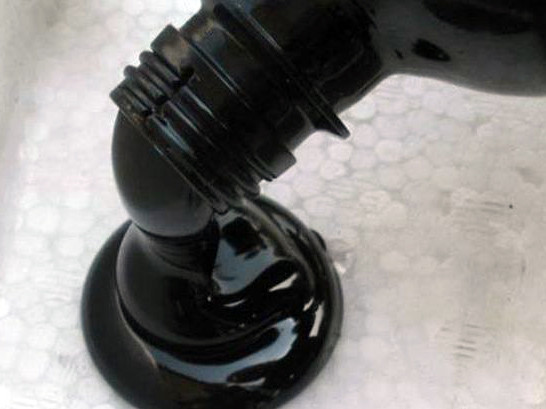
Is Coal Tar Flammable and Explosive
Coal tar is a hazardous substance, both toxic and prone to flammability and explosion. In storage tanks kept at ambient temperatures, it contains light oil vapors, predominantly light oil fractions, posing significant risks. These vapors can readily ignite or explode if they come into contact with open flames. -
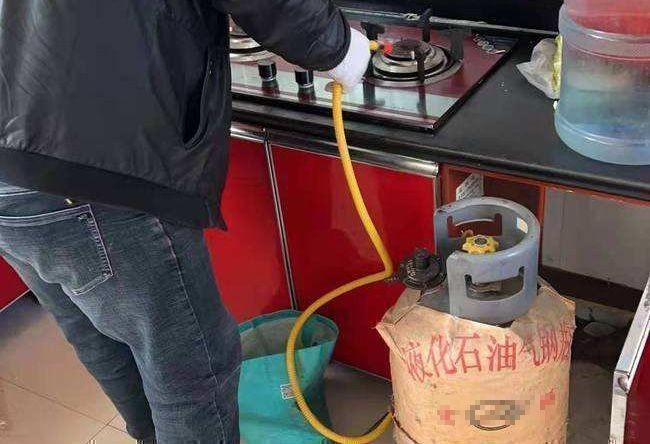
Is It Normal for Newly Replaced Coal Gas to Make a Hissing Sound When Turned on
It's normal to hear a sound when activating a gas cylinder. Gas, usually in a gaseous state, is pressurized in the cylinder to liquify. Opening the cylinder's valve triggers the conversion of this liquid gas back to its gaseous form via a pressure-reducing valve, a process that generates noise due… -
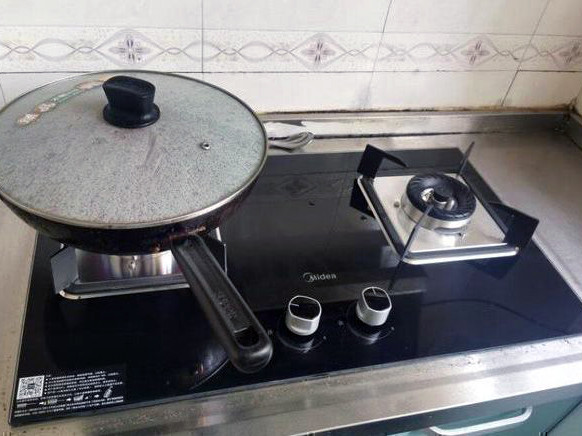
Is Household Gas Prone to Explosion
When operated properly, household gas is unlikely to cause explosions. Gas cylinders are usually processed by professionals and deployed for use only after meeting national safety standards, thus they are relatively secure. Nonetheless, the presence of substandard products in the market introduces certain safety hazards. Ensuring the purchase of certified… -
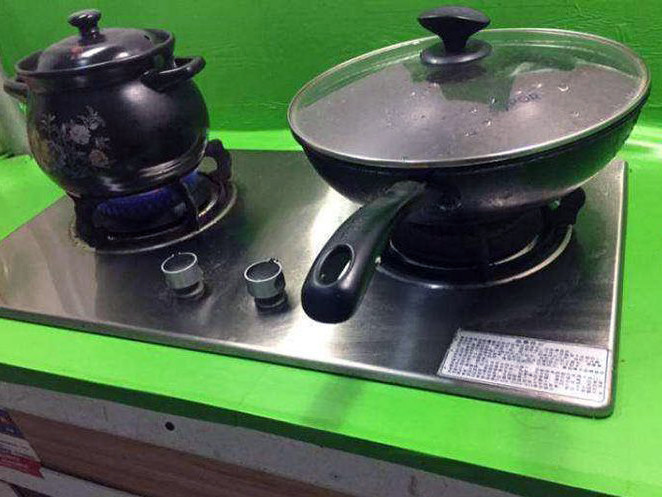
How Long Does the Gas Not Turn off Before It Explodes
Leaving a gas stove on for an extended period, such as a day and a night, does not pose an explosion risk. Nonetheless, prioritizing safety remains crucial. A lit gas stove, if not switched off, may cause pressure cookers to explode, potentially resulting in a fire.