 Shenhai Explosion-Proof

Shopping Guide
Guides users on how to select the right products based on their explosion-proof safety requirements
-
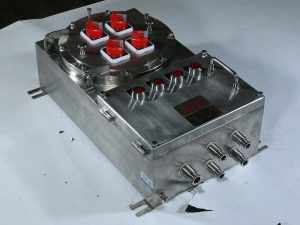
What Is the Difference Between Explosion-Proof Lighting Distribution Box and Explosion-Proof Power Distribution Box
When it comes to integrating explosion-proof power and lighting distribution boxes, segregating their wiring is imperative for safety and functionality. Explosion-Proof Lighting Distribution Box These boxes are predominantly utilized for powering and managing lighting systems. Owing to the typically lower wattage of explosion-proof lighting, these distribution boxes handle lesser loads… -
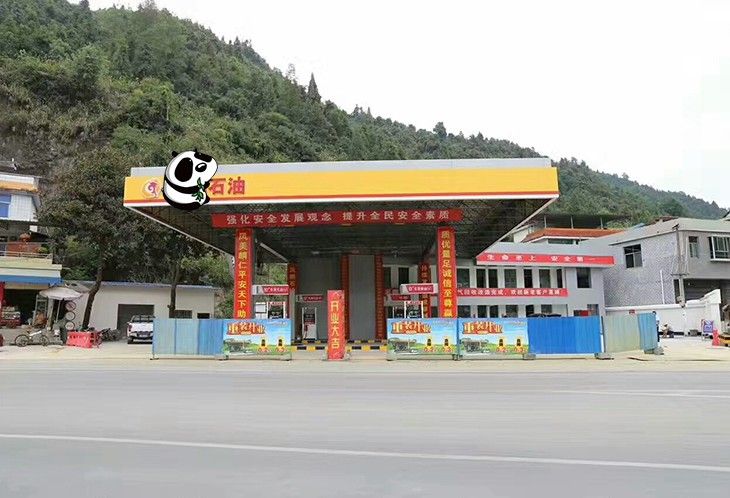
How to Explosion Proof Gas Stations
As society advances, more gas stations are being built around us. Their omnipresence makes life convenient, yet the safety protocols, particularly regarding explosion prevention, become increasingly crucial. How can gas stations ensure effective explosion protection? 1. Preventing Man-Made Open Fires: Crucial areas and components at gas stations, such as under… -
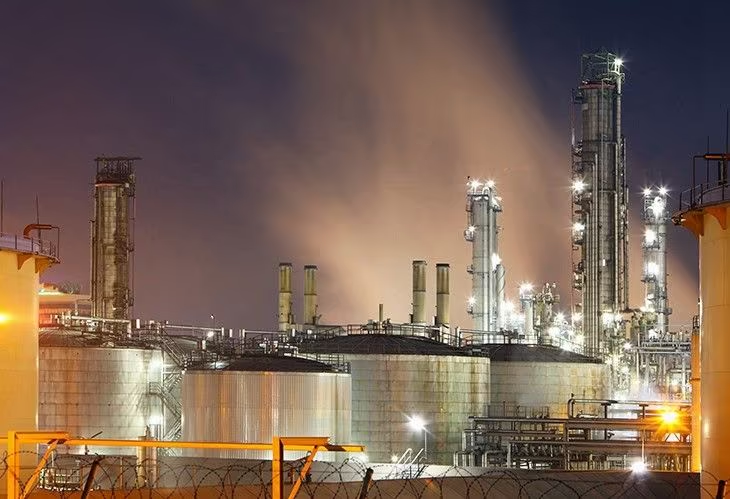
Where Must Explosion-Proof Lights Be Installed
Many newcomers to industrial safety may not know which environments necessitate the installation of explosion-proof lighting. Environments that contain explosive gases, liquids, dust, or corrosive materials, including warehouses, workshops, and factories, require the installation of these specialized lights. With the increasing occurrence of safety incidents in our society, the emphasis… -

Do Warehouses Have to Install Explosion-Proof Lights
Warehouse lighting does not necessarily require explosion-proof lamps. The decision to use explosion-proof lamps mainly depends on whether the warehouse stores flammable and explosive goods. From a safety perspective, such goods should be stored in specialized warehouses with dedicated supervision and required safety distances, and not be placed alongside regular… -
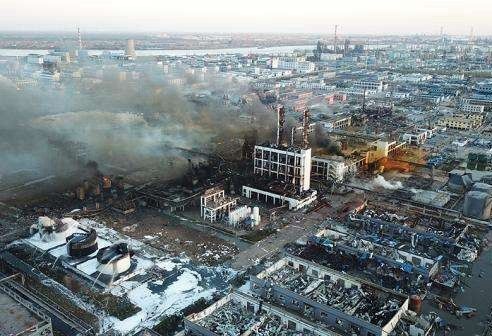
Why Do Chemical Plants Have to Use Explosion-Proof Lights
Chemical plants, unlike regular factories, handle chemically unstable substances that can easily undergo dangerous chemical reactions under certain conditions, leading to toxic exposure and explosions. Since lighting fixtures inevitably produce electrical sparks or extremely hot surfaces during operation, they pose a significant risk of igniting explosive gases and dust in…