 Shenhai Explosion-Proof

Stay informed with the latest news and updates in the explosion-proof industry from our comprehensive news center.
-
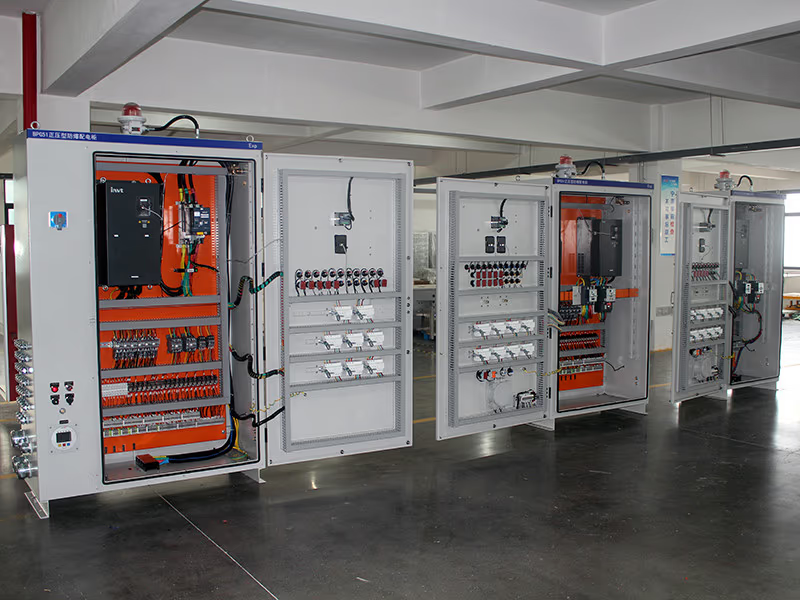
Structural Analysis of Explosion-proof Pressurized Enclosure
An explosion-proof pressurized enclosure, also known as a positive pressure explosion-proof distribution cabinet, is a type of distribution cabinet designed for hazardous environments. It features explosion-proof, corrosion-resistant, dustproof, waterproof, and heat-dissipating functionalities. The cabinet boasts an IP65 protection rating and an explosion-proof grade of Ex px IIC T6. Basic Structure:… -

Structural Characteristics of LED Explosion-Proof Lights
The enclosure of LED explosion-proof lights is made from high-strength aluminum alloy, cast through die-casting, and finished with a high-pressure electrostatic spray. This gives it excellent corrosion resistance. The exposed fasteners are made of stainless steel, enhancing its durability. LED explosion-proof lights are suitable for illumination in distilleries, as they… -
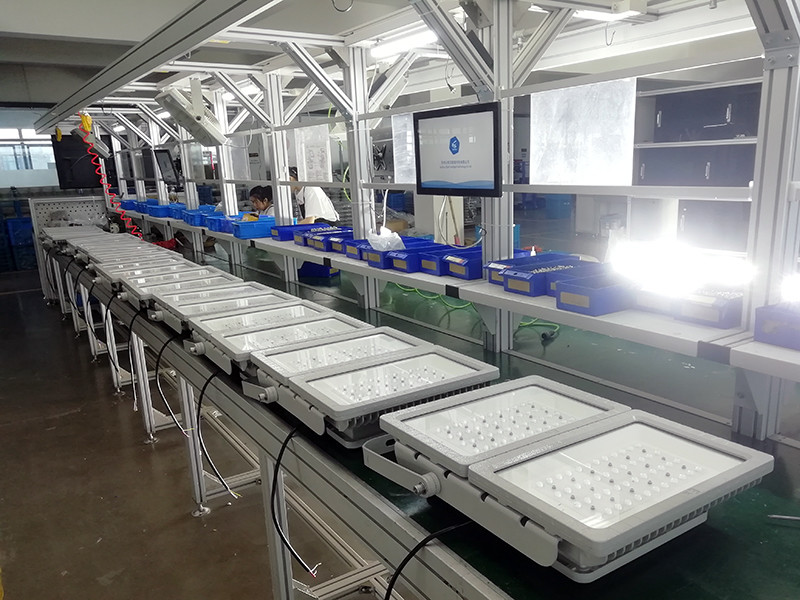
Structural Form of LED Explosion-Proof Light
The design of explosion-proof lighting fixtures must be tailored to the specific zone and area of explosive gas environments. For instance, in Zone 1 areas, flameproof (explosion-proof) lighting fixtures are mandatory; in Zone 2, both flameproof and increased-safety fixtures can be used for fixed lighting, while portable lighting must be… -

Windings for Increased Safety Electrical Equipment
In enhanced-safety electrical equipment, such as explosion-proof motors, transformers, electromagnetic wires, and ballasts for fluorescent lamps, a portion includes internal windings. The requirements for these windings, both mechanically and electrically, are higher than those for standard windings. Generally, the insulated wire used for winding these coils should be double-insulated, and… -

Solid Insulation Materials for Increased Safety Electrical Equipment
Based on the Comparative Tracking Index (CTI), solid insulation materials used in enhanced-safety electrical equipment can be classified into three levels: I, II, and IIa, as shown in Table 1.9. According to the GB/T 4207-2012 "Methods for the Determination of the Electrical Tracking Indices of Solid Insulating Materials," a grading…