 Shenhai Explosion-Proof

Product Encyclopedia
Explore our detailed product encyclopedia for in-depth knowledge about our explosion-proof offerings.
-

Inspection Requirements for Explosion-Proof Electrical Equipment
Inspection, maintenance, and repair of explosion-proof electrical equipment, while largely mirroring standard electrical practices, also embody unique aspects characteristic of explosion-proof requirements. Key guidelines for the upkeep of explosion-proof electrical equipment are: 1. Establishment and adherence to a robust system for inspecting and repairing explosion-proof electrical equipment, complemented by relevant… -

Explosion-Proof Electrical Equipment Marking
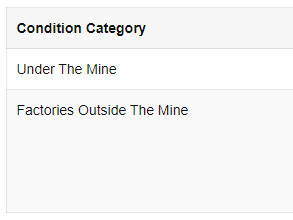
The "Ex" at the beginning of a complete explosion-proof marking signifies that it belongs to a specific type of explosion-proof equipment, yet it does not detail its particular explosion-proof features. Markings of Explosion-Proof Electrical Equipment [table id=218 /] These markings methodically display the explosion-proof type, level, and category. For instance:… -
What Is the Protection Level for Explosion-Proof Electrical Equipment
The Equipment Protection Level (EPL) assesses the explosion-proof reliability of a specific type of device based on potential faults and preventive measures, serving as a key safety indicator for explosion-proof electrical equipment. [table id=165 /] The levels are categorized as a, b, and c: 1. Level a ensures consistent explosion-proof… -
What Is Explosion-Proof Electrical Equipment
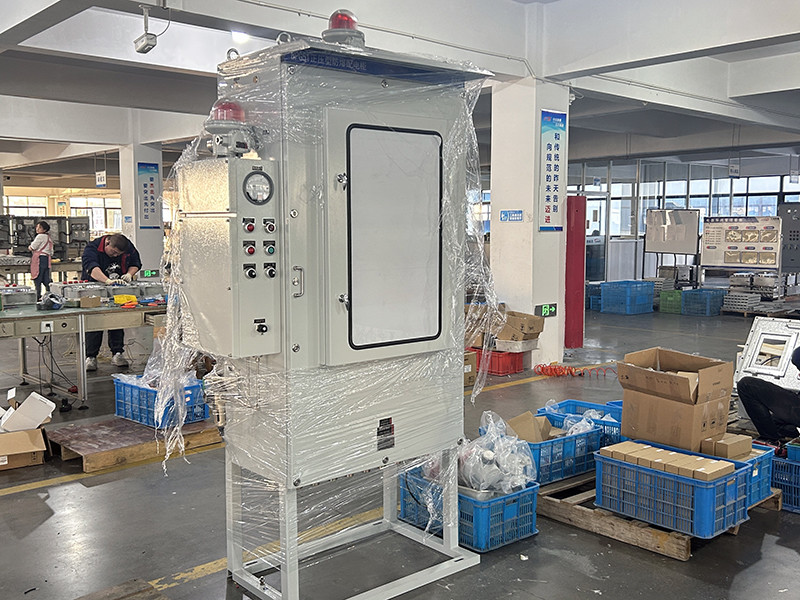
Explosion-proof electrical equipment is specifically designed with technical measures in structure and performance to avoid igniting flammable gases or environments, thereby averting explosions. This equipment is different from conventional industrial and domestic electrical devices. In terms of structure, explosion-proof equipment should feature an appropriate level of protection (IP rating) to… -
Explosion-Proof Electrical Equipment Operating Environment
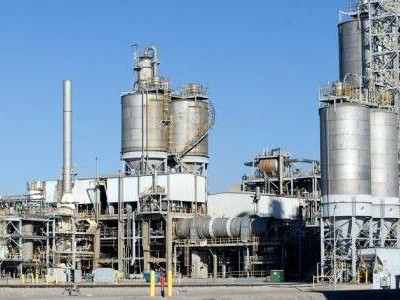
According to GB3836.1—2010 "Explosive Atmospheres Part 1: Equipment General Requirements," explosion-proof electrical equipment is designed for operation in atmospheric environments. The typical atmospheric conditions include: 1. An atmospheric pressure range from 0.08 to 0.11 MPa; 2. An oxygen concentration of 21% (by volume) in standard air, with other inert gases…