 Shenhai Explosion-Proof

Performance Characteristics
Explore the key performance characteristics of explosion-proof equipment. Access specifications including protection ratings, product differences, and applications to make informed selection decisions.
-

What Are the Advantages of Explosion-Proof Junction Boxes over Ordinary Junction Boxes
Explosion-proof junction boxes are specialized devices designed to operate safely in environments prone to flammability and explosions. Understanding their working principle begins with grasping what constitutes an explosive environment, typically characterized by combustible air, dust, or liquid media. The fundamental strategy in these boxes is isolating the internal electrical components… -

What Is the Difference Between Explosion-Proof Junction Boxes and Explosion-Proof Conduit Outlet Boxes
To assist in selecting the right explosion-proof electrical devices, today we're highlighting the differences between explosion-proof junction boxes and explosion-proof conduit boxes. Although both are key components in explosion-proof electrical systems, they differ significantly in function and characteristics, despite their similar names. Explosion-Proof Junction Boxes: Starting with explosion-proof junction boxes,… -

Characteristics of Explosion-Proof Junction Box
1. Explosion-proof junction boxes offer both aesthetic appeal and robust protection. Featuring a cast aluminum alloy shell with a surface coating, they present a sleek look. For enhanced durability and corrosion resistance, these boxes are available in materials like glass fiber reinforced unsaturated polyester resin, molded into a solid case,… -
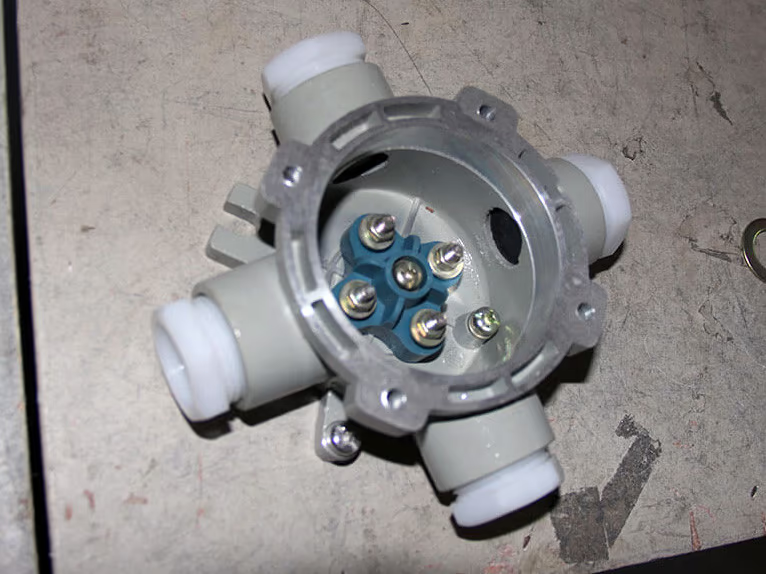
What Is the Difference Between Explosion-Proof Conduit Outlet Box and Explosion-Proof Junction Box
It is widely known that both explosion-proof cable glands and junction boxes are made from stainless steel welding or aluminum alloy die-casting, and they share the same level of explosion-proof rating. These are primarily used in industries prone to fire and explosion hazards, such as chemical, storage and transportation, pharmaceutical,… -
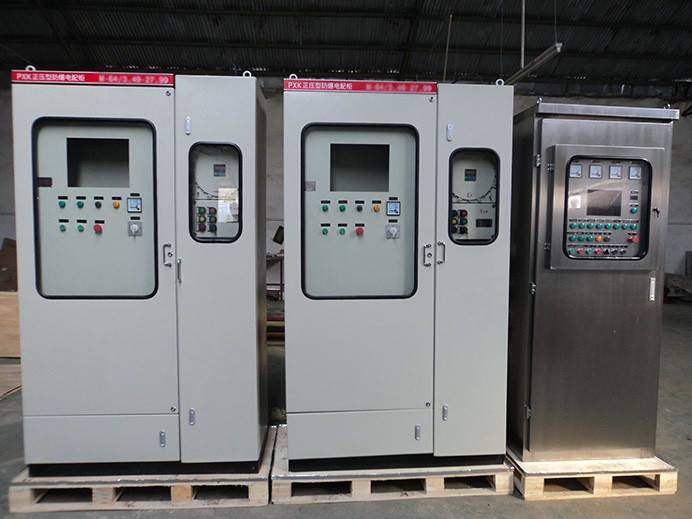
What Are the Advantages of Explosion-Proof Pressurized Enclosure
1. Versatile Structure: The design of explosion-proof pressurized enclosures can be tailored to specific needs, allowing for various configurations such as vertical, horizontal, or console-style layouts. 2. Stable Performance: Based on explosion-proof principles, while an explosion is permissible in flameproof engines, it is not in positive pressure engines. Thus, in…