 Shenhai Explosion-Proof

Performance Characteristics
Explore the key performance characteristics of explosion-proof equipment. Access specifications including protection ratings, product differences, and applications to make informed selection decisions.
-
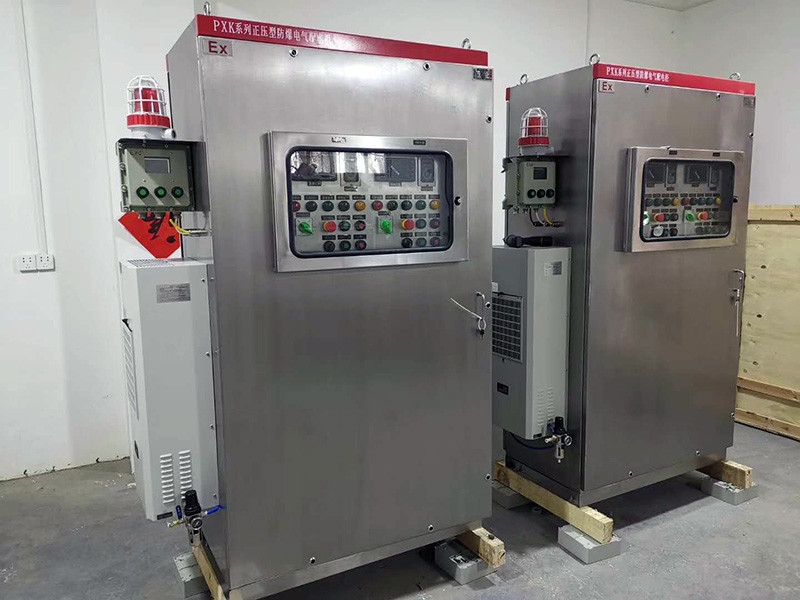
What Is the Difference Between Explosion-Proof Pressurized Enclosure and Explosion-Proof Distribution Box
Principle: Explosion-Proof Pressurized Enclosure: Also known as a positive pressure type explosion-proof cabinet, its working principle involves injecting compressed air or other inert gases into the cabinet, creating a pressure difference between the inside and outside of the cabinet. This prevents smoke and combustible dust from entering, ensuring that no… -

What Are the Differences in the Materials of Explosion-Proof Boxes
In the use of explosion-proof products, various materials like aluminum alloy die-casting, steel plate welding, engineering plastics, and stainless steel are often encountered. Stainless Steel For highly corrosive environments, using explosion-proof boxes made of stainless steel is safer. Its corrosion resistance is excellent in all aspects. Materials such as 201,… -
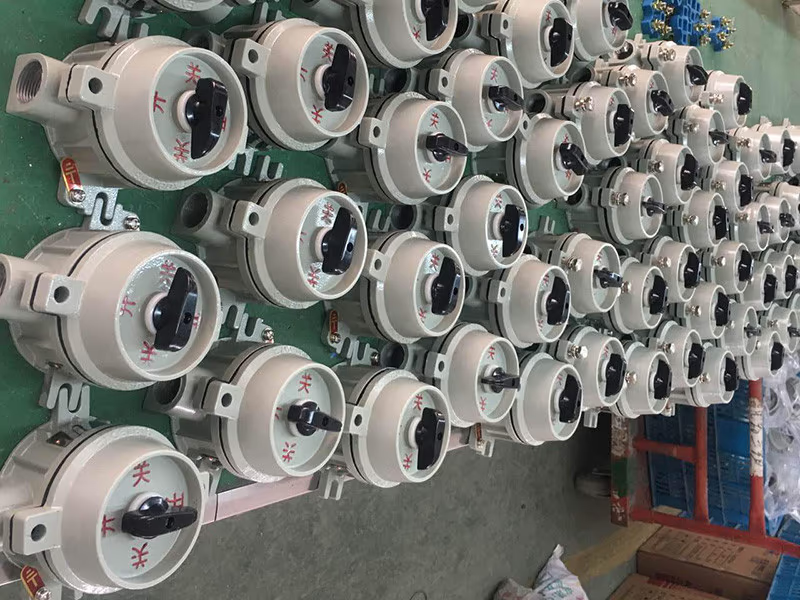
Is the Explosion-Proof Switch Rainproof
In principle, explosion-proof switches are rainproof. This is because these switches are generally of the flameproof type and have protection levels of IP55 or IP65. The "5" in these ratings indicates protection against water jets and rainwater ingress. Hence, additional waterproofing isn't necessary. You can refer to the IP protection… -

What Is the Difference Between Explosion-Proof Distribution Box and Explosion-Proof Control Box
Explosion-proof distribution boxes and control boxes, while distinct, have overlapping functions, each emphasizing different aspects. Explosion-Proof Distribution Box The primary role of an explosion-proof distribution box is in power distribution, supply, lighting, explosion protection, switching, and protecting electrical devices. It allows for the manual or automatic opening or closing of… -
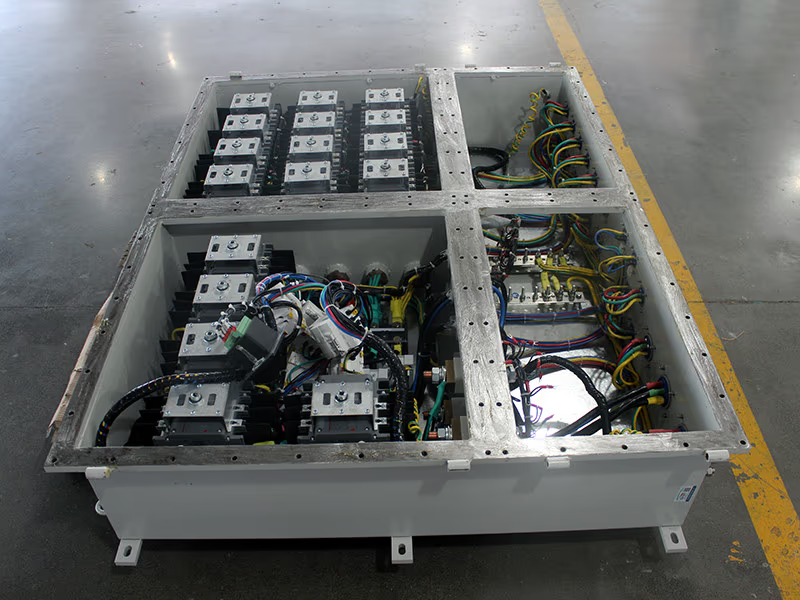
What Is the Difference Between Flameproof Type and Positive Pressure Boxes
Explosion-proof enclosures are the most widely used distribution devices, offering comprehensive protection. The most common types are flameproof and pressurized explosion-proof enclosures, catering to a variety of requirements. Many users wonder about the differences between these two types. Here, we provide an insight into the distinctions between flameproof and pressurized…