 Shenhai Explosion-Proof

Shopping Guide
Guides users on how to select the right products based on their explosion-proof safety requirements
-
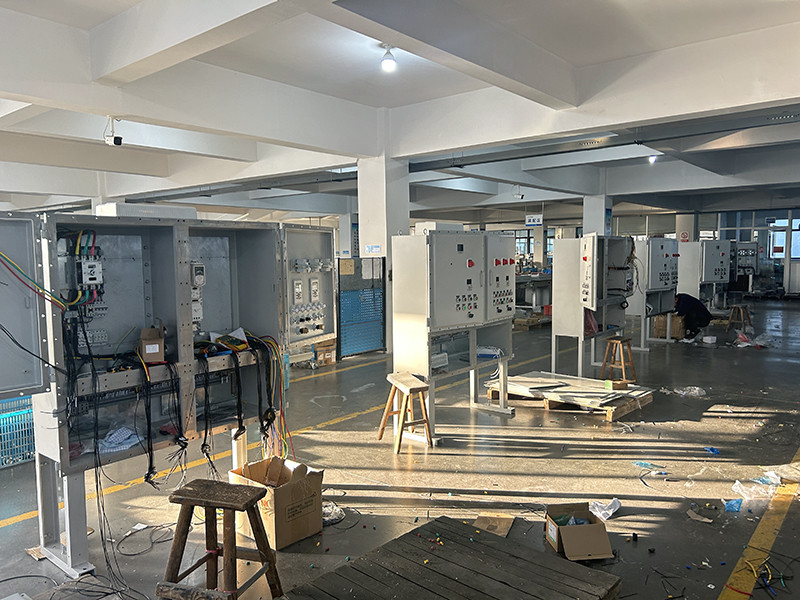
Classification of Explosion-Proof Electrical Equipment
GB3836.1-2010 "Explosive Atmospheres Part 1: Equipment General Requirements" classifies explosion-proof electrical equipment into two primary types based on their usage environments: Class I and Class II electrical devices. Class I Electrical Equipment This type is specifically designed for use in environments related to underground coal mining and the surface processing… -
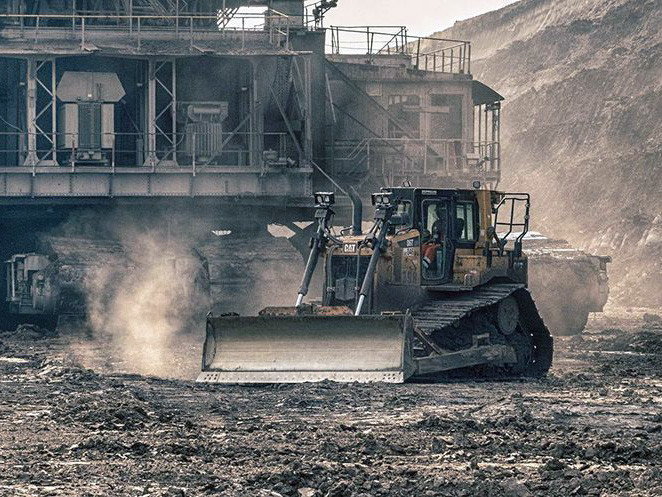
Dust Explosion Prevention Precautions
1. Building Safety: Facilities with dust explosion risks must pass fire safety inspections and establish designated dust explosion areas with adequate firebreaks. Offices, rest areas, hazardous material storage, and sufficient safety exits are prohibited in these zones, and adequate lightning protection must be installed. 2. Specialized Dust Extraction Systems: Dust… -
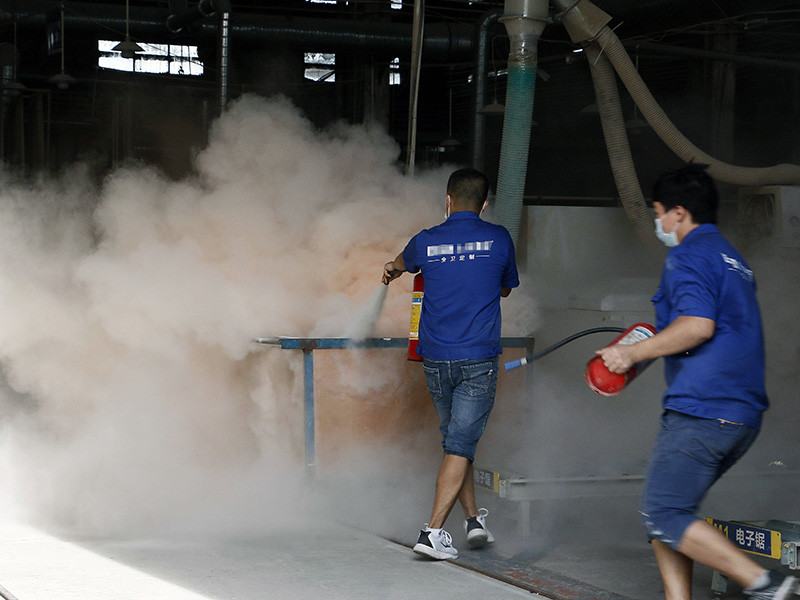
Can Gas Explosion-Proof Be Used for Dust Explosion-Proof
It's essential to understand that gas and dust explosion-proof equipment adhere to different execution standards. Gas explosion-proof devices are certified according to the national electrical explosion-proof standard GB3836, while dust explosion-proof equipment follows the standard GB12476. Gas explosion-proof equipment is suitable for environments with flammable and explosive gases, such as… -
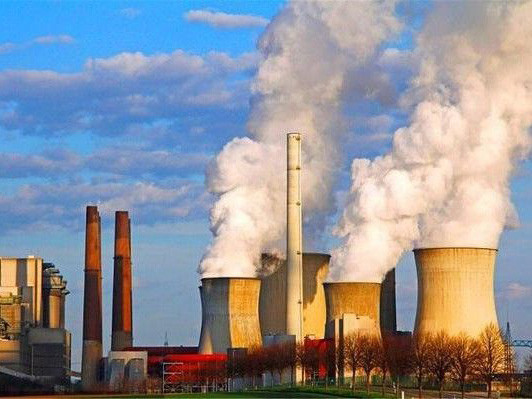
What Areas Are Explosion-Proof Lights Mainly Suitable for
Take the example of a thermal power plant. Key areas such as the desulfurization and denitrification unit, battery room in coal mines, cable tunnel acid adjustment room, chemical dosing room, and hydrogen production station, along with the entire coal transportation system — including the belt conveyor bridge, transfer station crusher… -
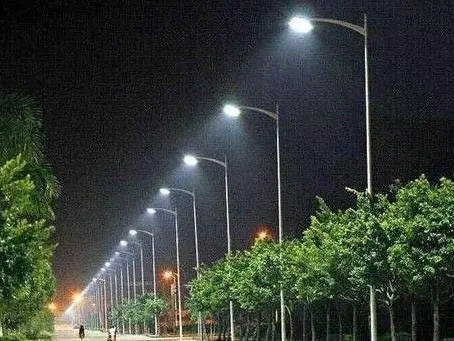
Do Highways Require LED Explosion-Proof Lights
Frequent highway travelers recognize that significant bridges, tunnels, and areas near suburbs are typically equipped with street lighting, while other highway sections rarely feature LED explosion-proof lights. The absence of such lighting in many areas is not an oversight; rather, it's a strategic choice based on economic value. Safety Concerns…