 Shenhai Explosion-Proof

Shopping Guide
Guides users on how to select the right products based on their explosion-proof safety requirements
-
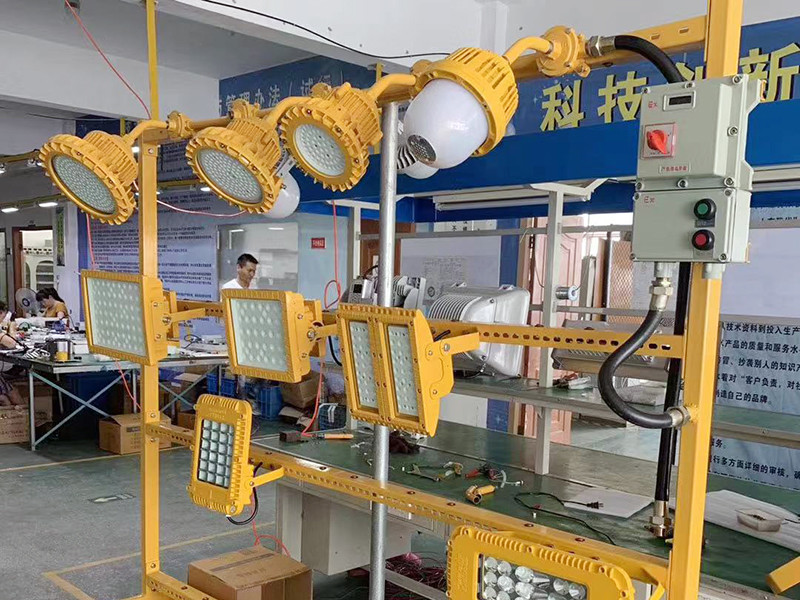
How to Choose the Installation Method of Explosion-Proof Lights
Ceiling-Mounted Ideal for complex indoor environments where fixtures are disorganized and uneven. The advantage of this illumination method is that the light from the explosion-proof fixture can reach the ground effectively. Wall-Mounted Suitable for localized indoor lighting where the arrangement of fixtures is simple and even. Once the explosion-proof light's… -
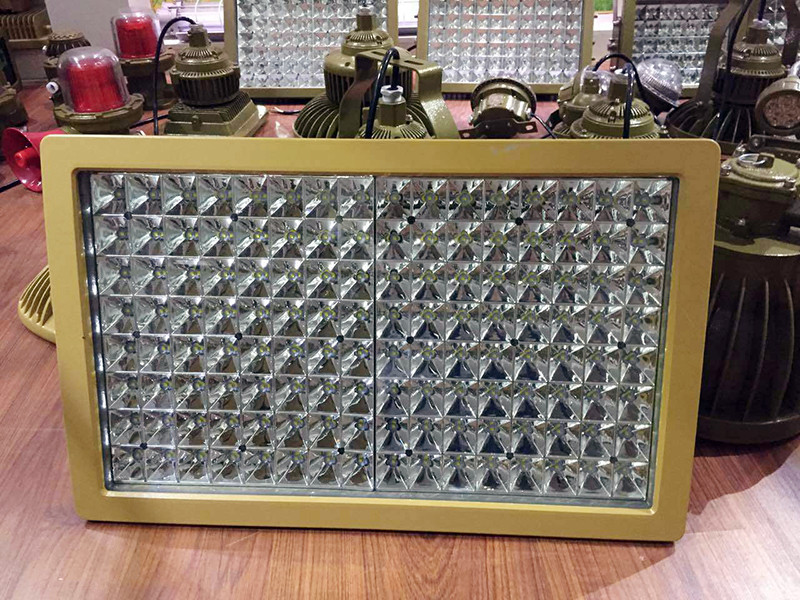
How to Choose a High-Quality Explosion-Proof Light
When selecting a high-quality explosion-proof light, consider the following five critical aspects: 1. Explosion-Proof Certification: This is essentially the light's 'identity card.' The certification should be valid and verifiable through a nationally recognized testing institution's website. 2. LED Chips: Choose chips that are high-efficiency and low-decay. It's crucial to opt… -
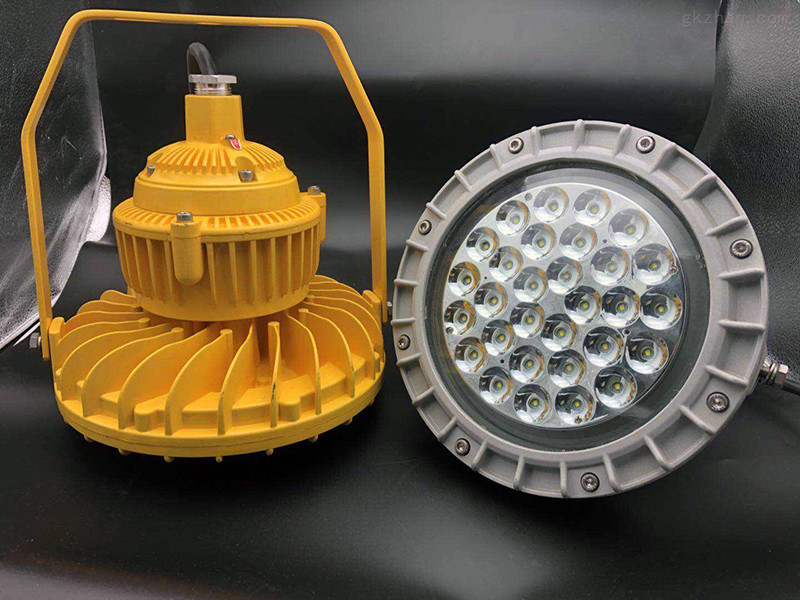
Why Choose Aluminum Alloy as the Shell Material of Explosion-Proof Light
Many customers may not realize that aluminum alloy is chosen over steel or stainless steel for the casing material of LED explosion-proof lights. This selection is due to the outstanding properties of aluminum alloy itself. Advantages of Aluminum Alloy Casings Superior Heat Conductivity: Aluminum alloy is known for its excellent… -
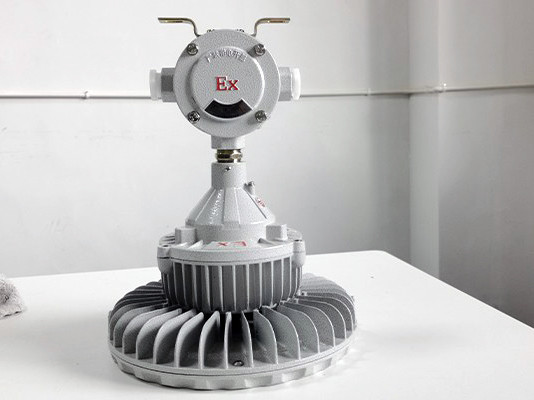
How to Correctly Choose Explosion-Proof Lighting
1. Safety: To understand the quality standards of explosion-proof lighting, prioritizing product safety is essential. Firstly, consider the supplier (company size, completeness of relevant documents, and management certification system). Secondly, examine the product certifications (whether it has coal safety and explosion-proof certifications). Thirdly, evaluate the product itself (check for distinctive… -
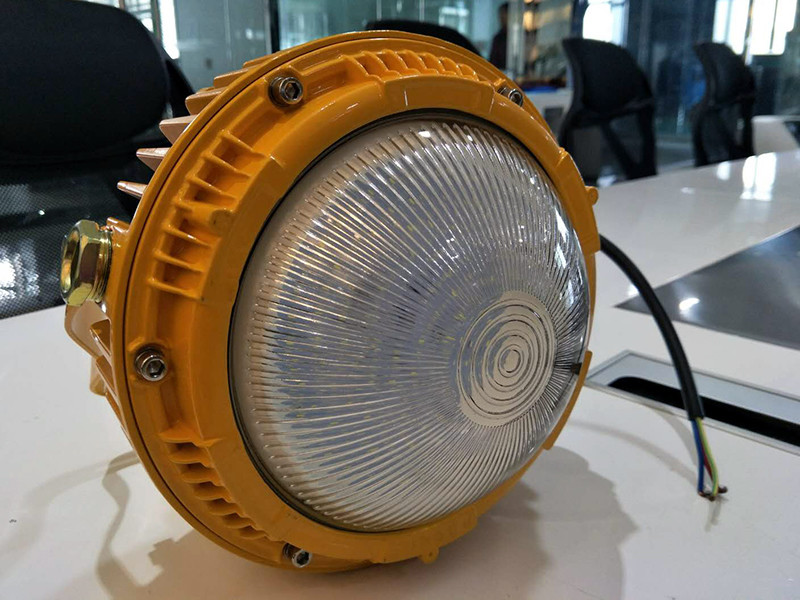
Why Use Explosion-Proof Lights
Scope of Application: Simply put, "explosion-proof" lighting is a type of explosion-proof electrical equipment used in areas with explosion risks. Such areas are characterized by the presence of flammable gases, vapors, or dust in the air. Electrical equipment installed and used in these environments must meet the requirements of the…