 Shenhai Explosion-Proof

Stay informed with the latest news and updates in the explosion-proof industry from our comprehensive news center.
-
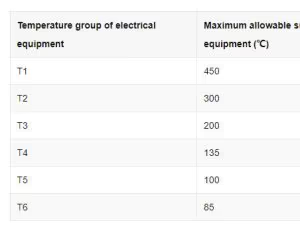
Explosion-Proof T1 to T6 Temperature
It's evident that various explosive gases are categorized into specific temperature groups. [table id=163 /] Group T1 has an ignition temperature of 450°C, Group T2 at 300°C, Group T3 at 200°C, Group T4 at 135°C, Group T5 at 100°C, and Group T6 at 80°C. -
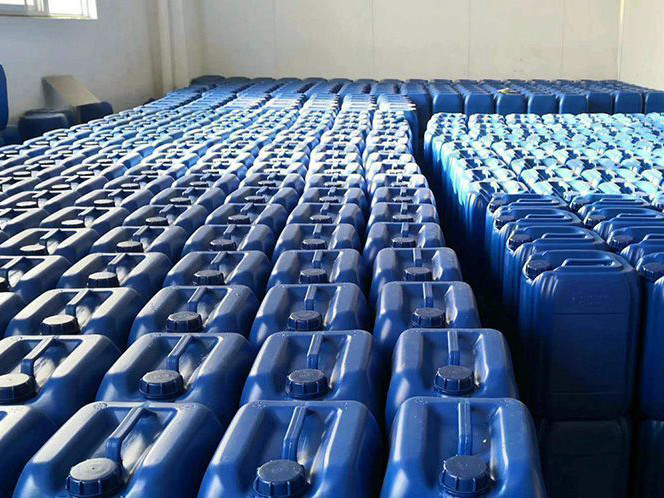
Can Hydrogen Peroxide Burn
Hydrogen peroxide is incapable of combustion. If one were to hypothesize its combustion, the sole element that could elevate its valence is oxygen. This would imply oxygen transitions from a -1 to 0 valence, essentially transforming into oxygen gas, a notion that is inherently contradictory. -
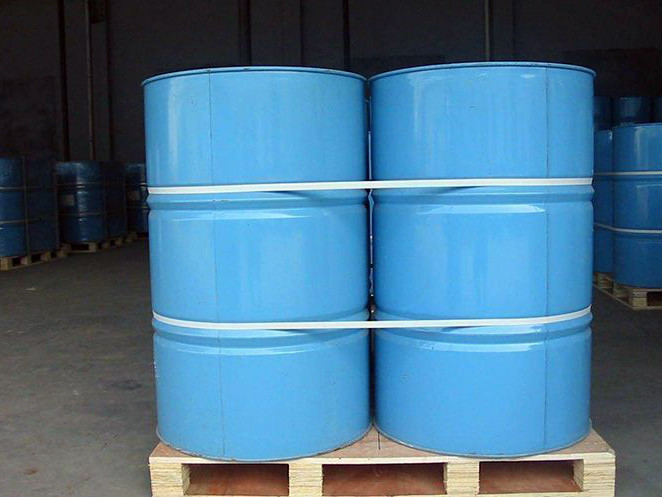
Can Pentane Burn
The combustion of pentanes, including neopentane, isopentane, and normal pentane, is notably efficient, attributed to their comparatively low boiling points. -

Is Acetic Acid Easily Combustible
Acetic acid, a single-carbon organic carboxylic acid, is characterized by its flammability and corrosive properties, falling under the category of Type II organic hazardous chemical regulations. At environmental temperatures of 39°C, it becomes a flammable hazard. Pure anhydrous acetic acid, also known as glacial acetic acid, is a colorless solid… -
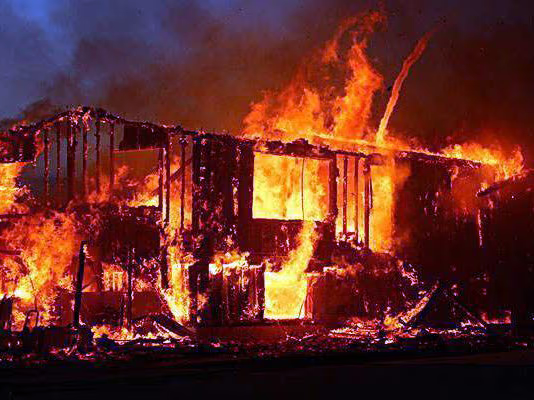
Characteristics and Hazards of Combustion Products
[table id=222 /] Beyond water vapor, the majority of byproducts from combustion are detrimental. Smoke clouds visibility, complicating evacuation efforts during fires by obscuring sight. The intense thermal convection and radiation from high-temperature combustion can ignite additional flammables, spawning new ignition points, and potentially trigger explosions. Residues from complete combustion…